Gossip Goblin and the New Era of AI Filmmaking: Defying the 'Slop' Accusations
A new AI filmmaking studio, Gossip Goblin, has opened in Stockholm. A team made up of a director, an actor and a composer records voice-overs for films about a poetic gorilla in a cyberpunk world. Critics call AI cinema 'slop' and copyright theft, but the creators insist it is genuine creative work with its own rules.
AI-processed from Guardian; edited by Hamidun News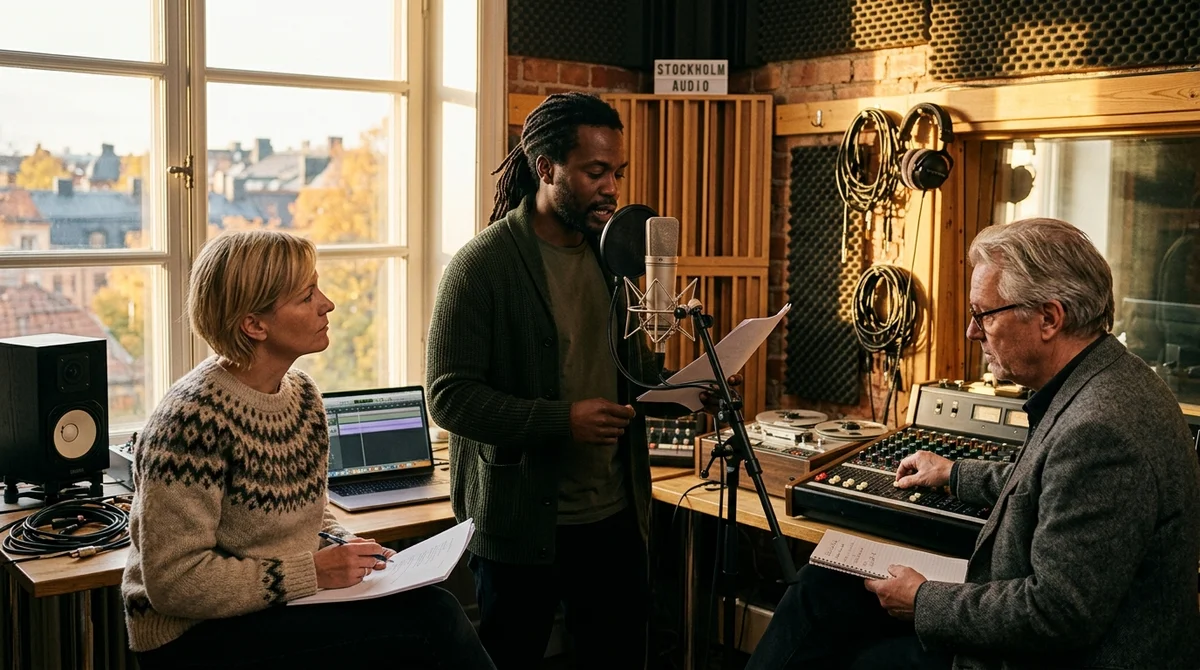
In a former sewing workshop in Stockholm, where seamstresses once stitched outfits for the 19th-century bourgeoisie, people now make films with AI. This is not a big-budget Hollywood production but a small creative team in a modest studio. Yet this story symbolizes the moment AI filmmaking enters a new stage of development, one that criticism can no longer stop.
What is happening at Gossip Goblin
On an ordinary day at the studio, an actor, a director and a composer record voice-overs for their AI film. The script follows a poetic Scottish gorilla living in a transhumanist cyberpunk world full of contradictions and philosophical questions. It sounds strange and avant-garde, but the team takes the work seriously, debating every syllable of dialogue and every intonation as if writing for a real theater stage or radio show.
One team member jokes that it feels like working on the classic British radio drama The Archers, where every word carries weight and the whole performance lives only in voice and pauses.
Here, AI is not a magic button that produces a finished film at a click. It is a tool that expands what a creator can do. The human remains the director, the editor and the final judge of quality and meaning.
The criticism: slop, copyright theft, lost jobs
Critics are not staying quiet. The main objections sound familiar:
- "Slop": automatically generated low-quality content, with no meaning or taste, just junk on a screen
- Copyright theft: models are trained on other people's films without the authors' consent, which breaks the law
- Lost jobs: real directors and actors lose commissions and the chance to earn a living
- The end of film school: if AI makes films, why spend ten years learning the craft?
The critics are not entirely wrong. Copyright is a real problem that needs solving. But the makers of AI films respond differently: they say they do not copy other people's films, they generate something entirely new. As the artists themselves put it: "There are no rules there." That is the motto of the new era: experiment, try things, see what comes out, and if it turns out well, show it to the world.
From experiments to industry
What stands out about Gossip Goblin is that it is not an isolated case. Interest from the film industry is growing. AI in cinema once looked like the domain of young enthusiasts and YouTube experimenters, but it now draws the attention of professionals. Directors, producers and major film companies are starting to experiment seriously with neural networks in their projects.
Hollywood sees real potential: AI can speed up expensive scenes, cut the cost of complex computer graphics, and give directors more time for acting and story. Some studios already use generative AI for storyboards, concept art, digital backgrounds and even first drafts of scenes before bringing in costly specialists. It is a tool for speeding up work, not a replacement for creators.
What it means
AI filmmaking is no longer science fiction or experimental art. It is the reality of 2026. The question is not whether it will develop, but how.
It will take new copyright legislation, dialogue with actors' and directors' unions, and an honest conversation about how the technology can complement creative work rather than replace it.
The Gossip Goblin story is the first page of a new chapter in the history of cinema.
Key Questions Answered
What is happening at Gossip Goblin?
On an ordinary day at the studio, an actor, a director and a composer record voice-overs for their AI film. The script follows a poetic Scottish gorilla living in a transhumanist cyberpunk world full of contradictions and philosophical questions. It sounds strange and avant-garde, but the team takes the work seriously, debating every syllable of dialogue and every intonation as if writing for a real theater stage or radio show. One team member jokes that it feels like working on the classic British radio drama The Archers, where every word carries weight and the whole perfo
What are the key details on The criticism: slop, copyright theft, lost jobs?
Critics are not staying quiet. The main objections sound familiar: "Slop": automatically generated low-quality content, with no meaning or taste, just junk on a screen Copyright theft: models are trained on other people's films without the authors' consent, which breaks the law Lost jobs: real directors and actors lose commissions and the chance to earn a living The end of film school: if AI makes films, why spend ten years learning the craft? The critics are not entirely wrong. Copyright is a real problem that needs solving. But the makers of AI films respond differently:
What are the key details on From experiments to industry?
What stands out about Gossip Goblin is that it is not an isolated case. Interest from the film industry is growing. AI in cinema once looked like the domain of young enthusiasts and YouTube experimenters, but it now draws the attention of professionals. Directors, producers and major film companies are starting to experiment seriously with neural networks in their projects. Hollywood sees real potential: AI can speed up expensive scenes, cut the cost of complex computer graphics, and give directors more time for acting and story. Some studios already use generative AI for s
Ship AI Faster with Founders, Engineers & Weekly Architecture Reviews
Inside Vibe Club (hamidun.com/club) — weekly live masterminds with Zhemal Khamidun, Tech Radar, full LMS access, and 370+ production Claude Code skills.
The AI world, distilled — once a week
Seven stories that actually mattered, hand-picked. No noise, no reposts, no press releases.
Done! Check your inbox for a confirmation.