African e-commerce giant Jumia cuts 10% of staff as it rolls out AI
Jumia Technologies, Africa's largest e-commerce platform, has announced plans to deploy AI and cut its workforce by 10%, roughly 200 of its 2,000 employees. CEO Francis Dufay explained that deploying AI across all operations is critical to improving efficiency and staying competitive in Africa's fast-developing market.
AI-processed from Bloomberg Tech; edited by Hamidun News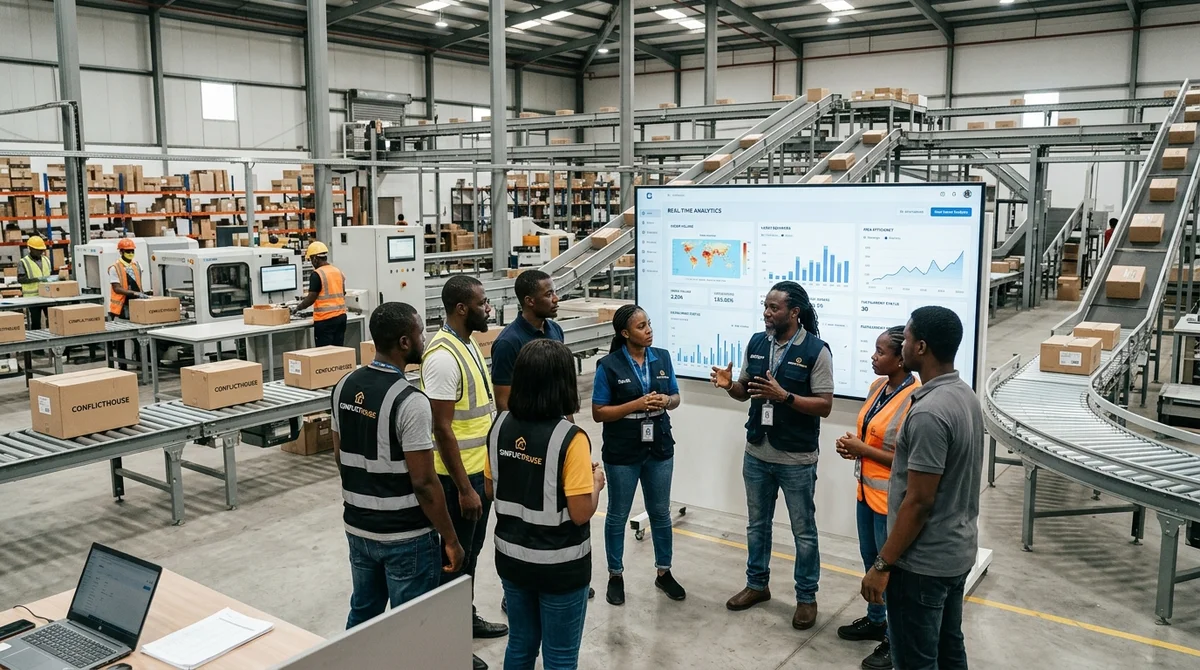
Jumia Technologies AG has announced plans to cut its workforce by 10% (about 200 of its 2000 employees) as it rolls out artificial intelligence across all of the company's divisions. CEO Francis Dufay said so in an interview.
Why Jumia is rushing into AI
Jumia Technologies is Africa's largest e-commerce platform, with services running in more than 10 countries across the region. In recent years the company's revenue has grown as the market has expanded, but competition on the continent is intensifying: global giants such as Amazon and Alibaba are entering the African market, while local startups are refining their technology and widening their geographic reach.
Dufay said that without an aggressive AI rollout, Jumia will not be able to scale at the required speed and hold its leadership. He described it as a matter not of innovation trends but of survival: in a fast-changing market, a company either automates or loses share. In his view, AI will let Jumia cut operating costs, improve the user experience and make its pricing strategy more flexible at the same time. It is a combination, he argued, that competitors without AI will not be able to replicate.
Where the AI systems will be deployed
The rollout will touch most operational divisions:
- Logistics and courier routing (delivery optimization)
- Real-time order processing
- Personalized product recommendations for each shopper
- Chatbots and automated customer support (24/7)
- Quality control in warehouse operations
- Dynamic pricing based on demand
AI systems can work around the clock with no vacations and no fatigue, which matters especially in Africa's growing markets, where automation may give the company a 5–10% advantage in profitability.
Retraining instead of outright layoffs
Jumia is not simply cutting jobs: the company has announced a retraining program for the remaining 1800 employees. Those whose roles are automated (for example, call-center operators and warehouse staff) will be able to move into positions such as data analyst, AI project manager or algorithm audit specialist.
But experience shows that not all such programs work perfectly. Retraining takes time and motivation, and many people prefer to find work at other companies rather than retrain.
What this means for Africa
Jumia is one of the most technologically advanced businesses on the continent, so its decision to adopt AI sends a signal to other companies. If the leader of African e-commerce sees AI as a necessity rather than an option, it suggests the technology is moving from experiments into standard operations.
That is a positive sign: Africa is gaining access to modern tools and can compete globally. At the same time, it puts pressure on the labor market and requires people to adapt quickly to new skills.
- Oct 31, 2026Worldwide Express hands disputed invoices to AI agents and cuts unresolved disputes by 75%
- Oct 30, 2026AWS gives coding agents a live site preview straight from an isolated session
- Oct 30, 2026MoEngage Opens 400 Private APIs to AI Agents Through AgentCore Gateway, Without Building Its Own MCP Servers
- Oct 29, 2026NVIDIA Nemotron 3.5 Super VL: 120B Parameters, 12B Active, Running on AWS
Key Questions Answered
Why Jumia is rushing into AI?
Jumia Technologies is Africa's largest e-commerce platform, with services running in more than 10 countries across the region. In recent years the company's revenue has grown as the market has expanded, but competition on the continent is intensifying: global giants such as Amazon and Alibaba are entering the African market, while local startups are refining their technology and widening their geographic reach. Dufay said that without an aggressive AI rollout, Jumia will not be able to scale at the required speed and hold its leadership. He described it as a matter not of i
Where the AI systems will be deployed?
The rollout will touch most operational divisions: Logistics and courier routing (delivery optimization) Real-time order processing Personalized product recommendations for each shopper Chatbots and automated customer support (24/7) Quality control in warehouse operations Dynamic pricing based on demand AI systems can work around the clock with no vacations and no fatigue, which matters especially in Africa's growing markets, where automation may give the company a 5–10% advantage in profitability.
What are the key details on Retraining instead of outright layoffs?
Jumia is not simply cutting jobs: the company has announced a retraining program for the remaining 1800 employees. Those whose roles are automated (for example, call-center operators and warehouse staff) will be able to move into positions such as data analyst, AI project manager or algorithm audit specialist. But experience shows that not all such programs work perfectly. Retraining takes time and motivation, and many people prefer to find work at other companies rather than retrain.
Ship AI Faster with Founders, Engineers & Weekly Architecture Reviews
Inside Vibe Club (hamidun.com/club) — weekly live masterminds with Zhemal Khamidun, Tech Radar, full LMS access, and 370+ production Claude Code skills.
The AI world, distilled — once a week
Seven stories that actually mattered, hand-picked. No noise, no reposts, no press releases.
Done! Check your inbox for a confirmation.