Anthropic to invest $200 million in healthcare and education with the Gates Foundation
Anthropic and the Gates Foundation have launched the largest charitable project worth $200 million. Over four years, the company will provide funding, Claude cr
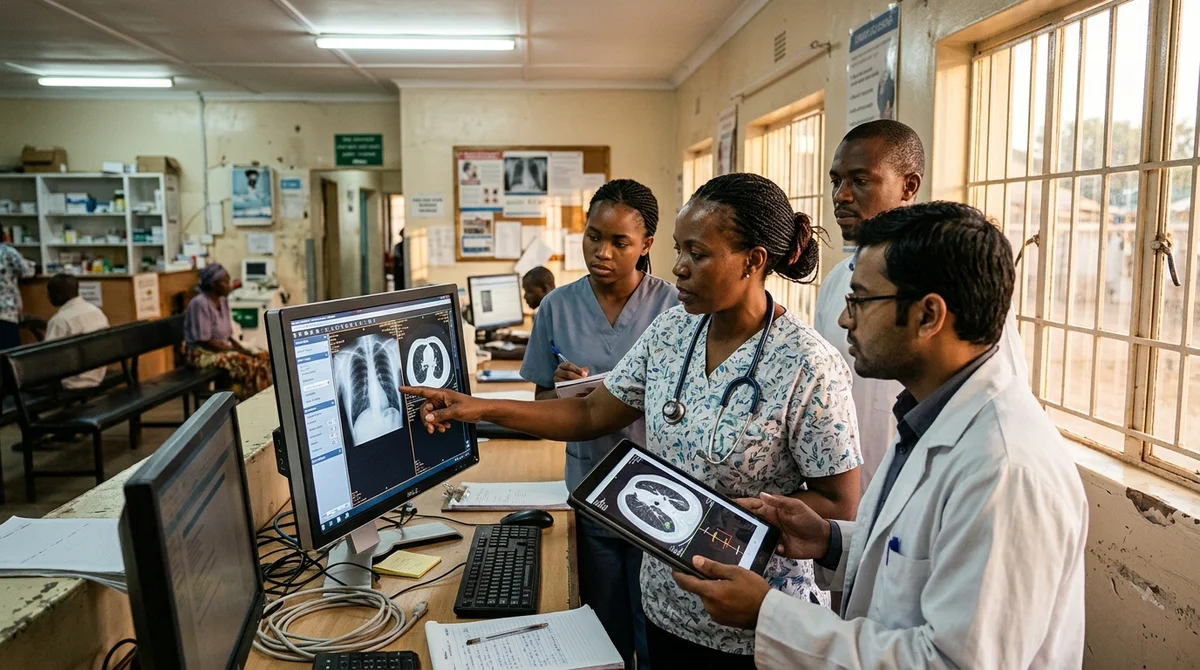
Anthropic, developer of the Claude model, has announced the largest charitable initiative in AI industry history. The company will allocate $200 million for a four-year project in partnership with the Bill & Melinda Gates Foundation—an unprecedented partnership between global philanthropy and a commercial AI company.
The First Deal of This Scale
This is the first case where an AI company invests such volumes in philanthropy and global development. The $200 million is distributed as direct research grants, full access to the Claude API at no cost, and direct technical support from Anthropic specialists. For context: the Gates Foundation typically invests in research programs and organizations, but rarely signs multi-million-dollar contracts directly with tech companies.
This indicates how seriously the foundation regards Claude's potential for solving global problems. The foundation's founder emphasized the need for major AI companies to take responsibility for applying technology for humanity's benefit. Anthropic, in turn, positions this as a natural continuation of its mission: having created Claude, accessible to anyone, the company now invests in ensuring that poor countries gain real access to this technology.
Where the Money Goes
The funds will concentrate on three key areas:
- Healthcare and combating infectious diseases—diagnosis of rare diseases, vaccine and drug development, personalized treatment regimens
- Life sciences—biotechnology research, genetics, development of new pharmacological solutions
- Education in developing countries—adaptive learning systems, expanded access to knowledge, training of local specialists in AI and natural sciences
Each of these areas will receive not only funding but also direct access to the Claude API without limitations or with favorable conditions. This is critical because for many organizations in developing countries, even the cheapest commercial API plan could exceed their annual technology budget.
Localization and Adaptation
Anthropicwill not simply distribute access to Claude. The company will allocate a team of engineers to adapt the model to the local needs of each region. For example, Claude will be further trained on local languages, specialized medical databases of specific countries, and the educational context of regional education systems. This means the model will not only be available in Nigeria or Kenya, but actually useful for doctors on the ground and teachers in local schools. This requires considerable resources, but the Gates Foundation is prepared to finance it.
The Political Signal
The deal creates a precedent and puts pressure on other major AI companies. Against the backdrop of growing criticism of the industry for its narrow commercial focus and concentration of AI benefits in wealthy countries, Anthropic demonstrates an alternative path. OpenAI and Google now must either launch their own initiatives or explain to shareholders and society why they won't.
What This Means
The Anthropic initiative is a recognition that AI companies can be instruments for solving global problems, not just sources of corporate profit. Against the backdrop of criticism over data center energy consumption, narrow commercial focus, and exacerbation of inequality between countries, this is an important step. If the model proves successful and truly improves healthcare and education levels in developing countries, it could become a new standard for other tech giants.