Computer vision platform that requires no GPUs or ML specialists
A startup introduced a computer vision platform that trains on dozens of images instead of thousands and delivers 86%+ recognition accuracy. The models outperfo
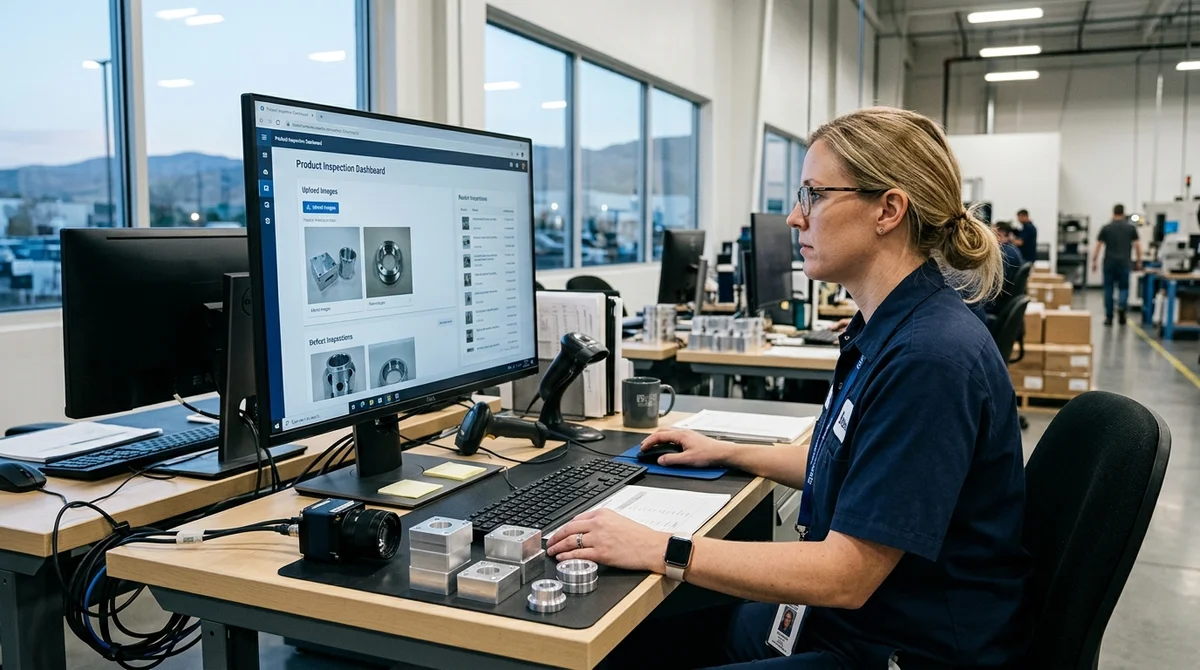
Developers have created a computer vision platform that turns the traditional approach to model training on its head. Instead of thousands of labeled images, professional ML engineers, and GPU clusters, you need just a few dozen photos to get a model with accuracy above 86%.
How It Works
The platform is extremely simple to use. You upload images (just 10–20 of them), click a button — and the system begins training. No configs, no terminal commands, no ML experience required. Everything happens in a single interface.
Technically, the platform operates without GPU clusters and complex ML stacks. This reduces infrastructure costs and eliminates the need for specialized hardware. Yet the performance is impressive: the models outperform the popular YOLO in both accuracy and training speed.
Who It's For
The platform's main advantage is complete accessibility. You don't need to be an ML engineer; even basic Python knowledge isn't required. The platform is useful for:
- Small and medium enterprises that want to add automation to production or quality control
- Researchers and startups that need to quickly test a hypothesis
- Analysts and business users who want to automate routine tasks
- Hobbyists and enthusiasts developing their own ideas
If you need help integrating the solution into an application or setting up a data stream from a camera, the developer can assist within hours. But the basic workflow requires no IT background whatsoever.
Why This Is a Revolution for Computer Vision
The traditional machine learning path requires enormous resources and time. A typical project: collect thousands of examples, hire an experienced ML engineer, buy powerful equipment (thousands of dollars for GPU), spend months on iterations and tuning. Not all companies can afford this.
Here, it's different. Training takes days instead of months, requires tens of images instead of thousands, no special equipment, no ML specialist. Accuracy remains competitive — 86% and higher, which is sufficient for most business tasks.
It's worth noting separately: the platform surpasses YOLO not by chance. YOLO has been the gold standard for years but required more data and computation. Here, a more efficient approach to working with small datasets is applied.
What This Means
Computer vision is moving out of laboratories into the real world. If previously it was accessible only to large companies with budget and experienced teams, now every small business can add recognition to their process without major investments. This means we'll soon see many niche applications with their own computer vision — not as a third-party API, but as an in-house solution. Manufacturing will be able to quickly add quality control, logistics — automatic sorting, retail — visitor analytics. The technology will stop being a privilege of big players.