Sony defends Xperia's AI Camera Assistant against criticism over poor examples
Sony was criticized over poor AI Camera Assistant examples on the Xperia 1 XIII. The company explains that it is not automatic photo editing, but an intelligent
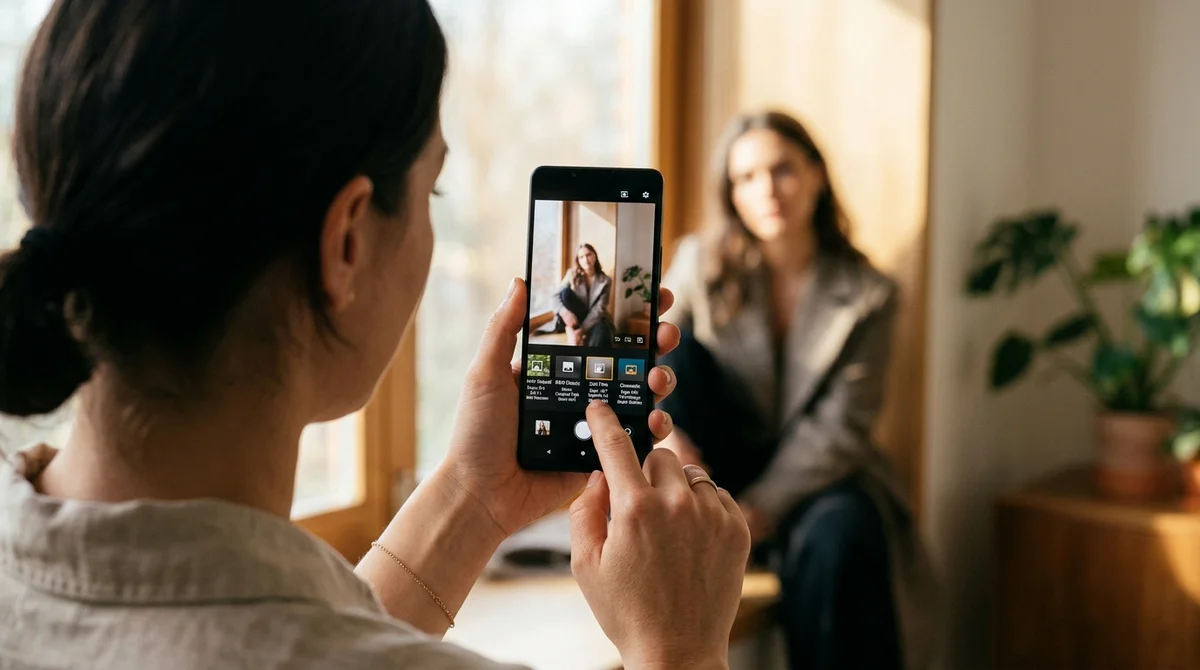
Sony presented the AI Camera Assistant for Xperia 1 XIII, promising smart photography tips. However, the first published examples received sharp criticism for poor results. Now the company is trying to reframe its proposition and explain what this feature actually does.
How the AI Camera Assistant Works
AI Camera Assistant does not edit finished photos — it is a tips system that works before you press the shutter button. The assistant analyzes the scene according to three main parameters: lighting, scene depth, and type of subject being photographed. Based on this analysis, the system offers four preset options. Each option includes recommended values for exposure, color balance, and background blur level (bokeh). The idea is to give the user a quick selection of optimal parameters instead of the tedious manual adjustment of each value separately. According to Sony, the system is especially useful in difficult lighting conditions — for example, when shooting in contrasty light or indoors with uneven lighting.
- Analysis of lighting in the frame
- Determination of scene depth and distance to the subject
- Recognition of the type of subject (portrait, landscape, macro)
- Generation of four alternative presets
- Selection of parameters without the need for manual adjustment
Words Don't Match Reality
In the official product video, Sony claims that the AI will also suggest the "most photogenic angle" for the shot. However, the video only shows a zoom function (scaling), which does not align with the concept of choosing an optimal camera angle. This mismatch between bold promises and the actual functionality shown has justifiably drawn criticism from tech publications. Even more criticism came from examples that Sony itself published on X (Twitter). All four options suggested by the AI assistant looked equally unsuccessful — none of them clearly seemed better than the others or more suitable for the shooting situation. This created the impression that the feature simply does not work as described in the marketing materials.
Position Among Competitors
The idea of using AI for photography tips is not new in the industry. Samsung, Apple, and other manufacturers have already implemented similar systems in their flagship models. Sony is trying to position its approach as more advanced due to comprehensive analysis of more parameters and the use of its own neural networks. However, the market has become noticeably more critical of "AI solutions," especially when marketing promises clearly do not match actual results. Sony will have to repeatedly explain the feature to journalists and critics, but also demonstrate its effectiveness in real-world photography.
"This is a tips system, not automatic photo editing," the company
tried to clarify after the wave of criticism.
What This Means
The incident with AI Camera Assistant shows how critical modern users are of device manufacturers' claims. Even with honest explanation of functionality, the first impression from poor examples proved decisive for public perception. The mismatch between the marketing promise of a "photogenic angle" and reality (only zoom) created a skeptical attitude toward the product. For Sony, this means not just explaining what the AI Camera Assistant is, but actively demonstrating its practical value through convincing examples of real photos. Restoring trust in the feature will be harder than initially attracting attention through bold promises. The problem is that the first impression has already formed, and convincing skeptics will not be easy.