Image-generation apps outpace chatbot upgrades in downloads
Apps that add AI image generation are downloaded 6.5 times more often than those that only upgrade their chatbots. An Appfigures analysis shows a paradox: the download boom does not turn into revenue. Developers don't know how to monetize the popularity: prices are either too high, or the app is entirely free with no way to earn money. Successful startups began with an affordable price of $3-5 per month and raised it gradually.
AI-processed from TechCrunch; edited by Hamidun News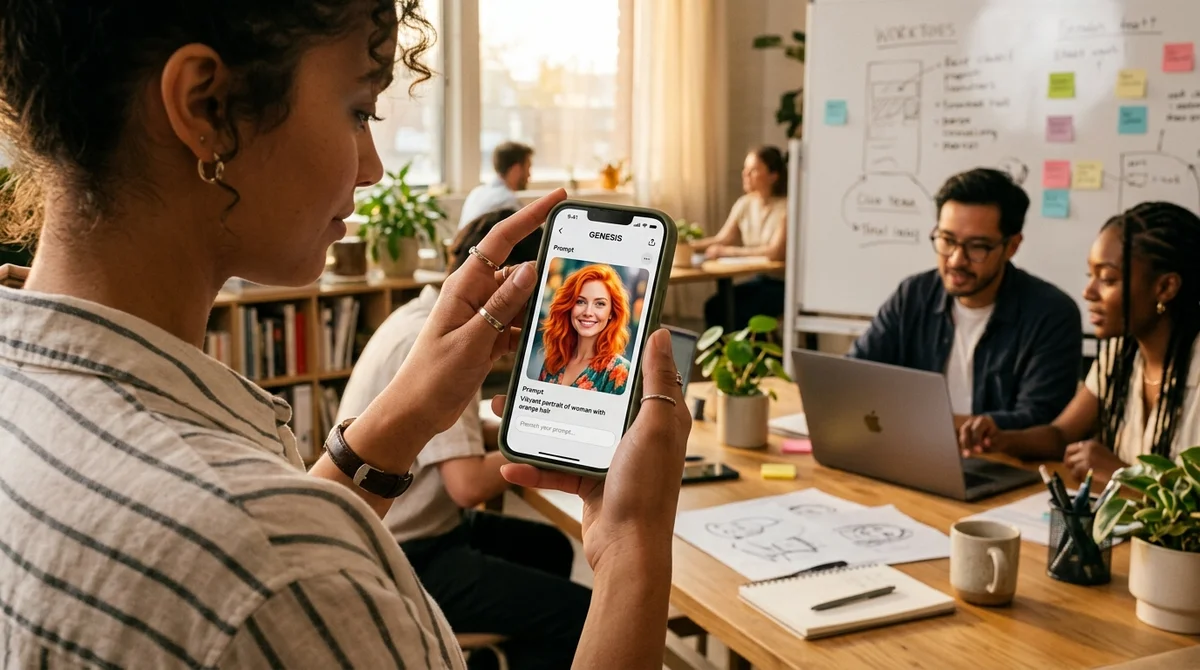
Apps with AI image-generation features are growing much faster than apps with chatbot upgrades. Research by Appfigures analysts found that launching a feature for creating pictures generates 6.5 times more downloads than updating a conversation model. The problem: most developers fail to turn this spike into real revenue.
Why images work better
Visual tools attract users far more strongly than text ones. When an app launches image generation, people download it more readily: it offers a concrete result that they can show off. The result is visible immediately and impressive, unlike a chatbot improvement, which only shows up in a long conversation.
This is about marketing and psychology. A screenshot of a beautiful generated image sells an app better than a description of a smarter answer. On social networks, a generated picture becomes content that people share. Users want to see the result right away: show it to a friend, post it on Instagram*, use it as an avatar, add it to a portfolio. A text answer lacks this viral power and does not become social content.
Downloads do not equal money
Here is the trap. Appfigures found a very important trend: 6.5 times more downloads does not automatically translate into revenue. Apps choose the wrong monetization from the start: either a subscription that is too expensive and scares users off, or a fully free version with no way to earn money.
The trend in the data is very clear: apps that offer only free generations with aggressive ads lose users within a few weeks. Those that ask for a subscription from $9.99 per month right away do not even reach 5% conversion. The price is simply too high for a mobile app.
- They offer free generations but can't sell a subscription for a larger volume
- They set a price higher than users are willing to pay for a mobile tool
- They don't know how to turn a casual downloader into a paying customer
- They compete with big players (ChatGPT Plus, Midjourney, Adobe) that push prices down
How to win
Fast download growth is the start of the journey, not the end of the game. You need a well-thought-out monetization plan from day one, at the feature design stage. Otherwise you get a spike, then churn, once users realize they must pay or tight limits disappoint them.
Successful apps offer a good free experience, but with clear limits. The balance: let the user try the feature for free, but make them want to pay for the full version. This requires testing.
The best startups began at $3-5 per month and raised the price gradually as they added features. They also invested in referrals and social sharing: a viral spike from one user drew in others through Instagram* and TikTok.
What this means
Generative AI attracts attention, but it does not guarantee an app's survival. Success is not a download but a user who pays and comes back week after week.
The image-generation trend is far from over, and the window to enter is still open. But it is closing fast: competition is growing and prices are falling. Those who figure out monetization now will win.
*Meta is designated an extremist organization and banned in Russia.
- Nov 1, 2026Local models lose to Opus and Codex: 0.21 on a MacBook versus 1.00 for Codex
- Nov 1, 2026Kimi scores 96.2% on a 1C database analytics test and emerges as a fallback if Claude access is blocked
- Nov 1, 2026OpenAI Rewrites GPT Behavior Rules: Five Values and a Chain of Command
- Nov 1, 2026Google admits AI Mode cuts search revenue, shares fall 15%
Key Questions Answered
Why images work better?
Visual tools attract users far more strongly than text ones. When an app launches image generation, people download it more readily: it offers a concrete result that they can show off. The result is visible immediately and impressive, unlike a chatbot improvement, which only shows up in a long conversation. This is about marketing and psychology. A screenshot of a beautiful generated image sells an app better than a description of a smarter answer. On social networks, a generated picture becomes content that people share. Users want to see the result right away: show it to
What are the key details on Downloads do not equal money?
Here is the trap. Appfigures found a very important trend: 6.5 times more downloads does not automatically translate into revenue. Apps choose the wrong monetization from the start: either a subscription that is too expensive and scares users off, or a fully free version with no way to earn money. The trend in the data is very clear: apps that offer only free generations with aggressive ads lose users within a few weeks. Those that ask for a subscription from $9.99 per month right away do not even reach 5% conversion. The price is simply too high for a mobile app. They offe
How to win?
Fast download growth is the start of the journey, not the end of the game. You need a well-thought-out monetization plan from day one, at the feature design stage. Otherwise you get a spike, then churn, once users realize they must pay or tight limits disappoint them. Successful apps offer a good free experience, but with clear limits. The balance: let the user try the feature for free, but make them want to pay for the full version. This requires testing. The best startups began at $3-5 per month and raised the price gradually as they added features. They also invested in
Test Frontier LLMs & Autonomous Agents in One Workspace
Run Claude Opus 5.5, GPT-6, Gemini 3.1, and DeepSeek side-by-side in Nomad AI (nomadnet.ai) — unified model routing, deep research, and multimodal workflows under one subscription.
The AI world, distilled — once a week
Seven stories that actually mattered, hand-picked. No noise, no reposts, no press releases.
Done! Check your inbox for a confirmation.