Meta uses AI to estimate age from height and bone structure
Meta has developed an AI system that checks users' age by analyzing photos. It uses computer vision to assess physical traits, namely height and bone structure, to determine whether a person is a minor. The system is already being tested in a handful of countries, and Meta is preparing a full-scale global rollout aimed at protecting young users. *Meta has been designated an extremist organization and is banned in Russia.
AI-processed from TechCrunch; edited by Hamidun News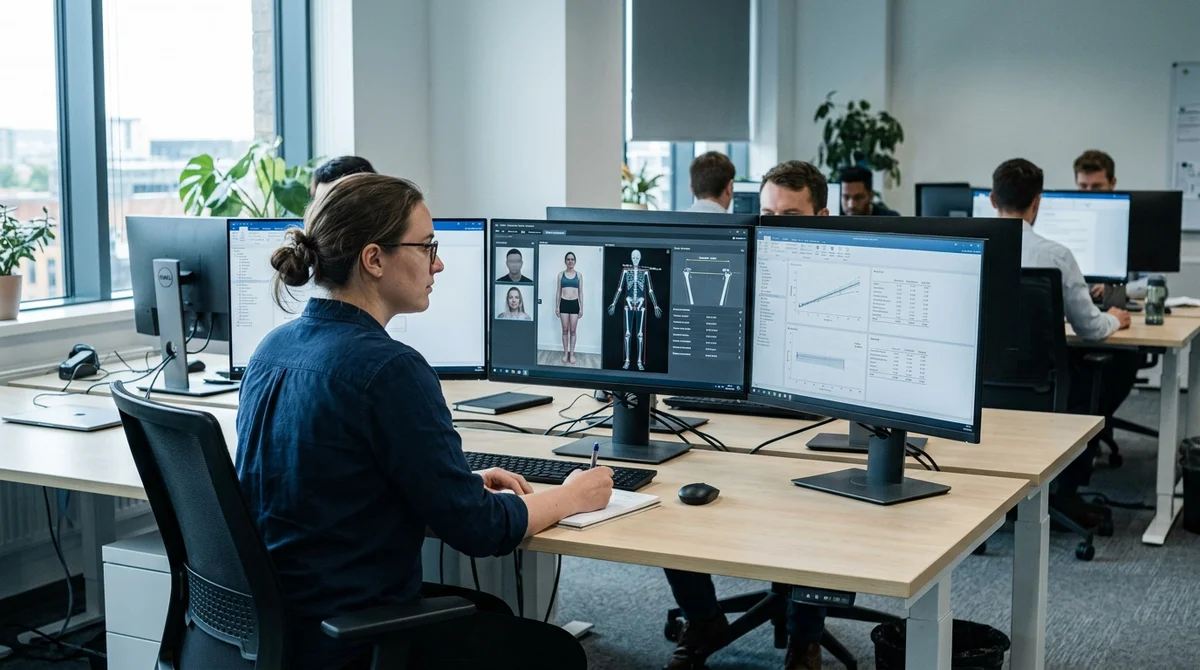
Meta has developed a visual analysis system that can estimate a user's age from photos by analyzing height and bone structure. It is a first step toward automating age verification without requiring documents. A pilot of the technology has begun in a handful of countries, and the company plans a full-scale global expansion.
How the technology estimates age
The AI system uses computer vision to analyze the human body in uploaded photos. The algorithm is trained to recognize physical markers that correlate with age: torso height, skeletal proportions, and the structure and density of bone tissue. Research in anthropology and medicine points to this approach: bone development follows a predictable course and indicates chronological age with fair accuracy.
The system requires no documents and works fully automatically at the moment content is uploaded. A user uploads a photo, and the algorithm analyzes it in the background and returns a result. No human involvement, no delay. In theory, this lets Meta protect minors in real time.
Meta positions the development as a tool to shield underage users from 18+ content and from contact with adult predators. The company already uses various age-gating methods, including requests for passport data, payment card checks and facial biometrics. Visual body analysis is added as an extra layer of protection that works without the user's active participation.
Current status and global strategy
The system currently operates in a limited number of countries. Meta has not disclosed the full list of regions where testing is under way, but said on its social network that the expansion will be gradual and cautious. The company is actively studying the algorithm's accuracy across different populations and gathering feedback from human rights organizations before the global launch.
The plans include several priorities:
- Analysis of body proportions and how they match age norms
- Recognition of secondary sex characteristics in a photo
- Comparison against a database of age patterns for different ethnic groups
- Automatic restriction of 18+ content for users identified as minors
- Integration with Instagram and Threads (Meta's subsidiary services)
Criticism and privacy concerns
The technology has already raised concerns among activists and security experts. The main problem is the risk of errors. The accuracy of such systems has historically depended on the dataset they were trained on. If the dataset consisted mostly of photos of people from a particular ethnic group or body type, the system may perform worse for other populations. This is especially critical in Africa, Asia and Latin America, where there are many users but representation in datasets is low.
Second, there are serious privacy questions. Analyzing body build and bone structure can be seen as covert biometric screening, even if Meta says photos are not stored on the company's servers. Which data does the algorithm use? How long is it kept in the system's memory? Could the company repurpose the technology for other goals?
"Protecting children is a priority, but algorithm transparency and
control over data are no less important," digital security experts noted.
Child rights organizations welcome Meta's intent to protect minors but demand full openness: which features the system analyzes, how often it errs, and how user complaints are handled.
What this means
Meta is trying to automate one of the hardest tasks in content moderation: determining a user's age without direct identity confirmation and without friction for the user. If the system shows acceptable accuracy (above 95%), it could appear on other large platforms within a few years. However, questions about fairness, privacy and reliability across ethnic groups remain open and need answers before mass deployment.
*Meta has been designated an extremist organization and is banned in Russia.
- Nov 2, 2026Meta's Muse assistant keeps dossiers on loved ones and gets root on Ubuntu by default
- Nov 2, 2026The Verge reviewer builds a $50 Meta Muse Charm alternative with Claude Code
- Nov 1, 2026MoneyGate safety layer blocked all 42 fraudulent requests to local AI models
- Oct 31, 2026Open-source LLM gateway KTMS 1.0 plugs your own GPUs into the cloud and survives outages
Key Questions Answered
How the technology estimates age?
The AI system uses computer vision to analyze the human body in uploaded photos. The algorithm is trained to recognize physical markers that correlate with age: torso height, skeletal proportions, and the structure and density of bone tissue. Research in anthropology and medicine points to this approach: bone development follows a predictable course and indicates chronological age with fair accuracy. The system requires no documents and works fully automatically at the moment content is uploaded. A user uploads a photo, and the algorithm analyzes it in the background and re
What are the key details on Current status and global strategy?
The system currently operates in a limited number of countries. Meta has not disclosed the full list of regions where testing is under way, but said on its social network that the expansion will be gradual and cautious. The company is actively studying the algorithm's accuracy across different populations and gathering feedback from human rights organizations before the global launch. The plans include several priorities: Analysis of body proportions and how they match age norms Recognition of secondary sex characteristics in a photo Comparison against a database of age pat
What are the key details on Criticism and privacy concerns?
The technology has already raised concerns among activists and security experts. The main problem is the risk of errors. The accuracy of such systems has historically depended on the dataset they were trained on. If the dataset consisted mostly of photos of people from a particular ethnic group or body type, the system may perform worse for other populations. This is especially critical in Africa, Asia and Latin America, where there are many users but representation in datasets is low. Second, there are serious privacy questions. Analyzing body build and bone structure can
Ship AI Faster with Founders, Engineers & Weekly Architecture Reviews
Inside Vibe Club (hamidun.com/club) — weekly live masterminds with Zhemal Khamidun, Tech Radar, full LMS access, and 370+ production Claude Code skills.
The AI world, distilled — once a week
Seven stories that actually mattered, hand-picked. No noise, no reposts, no press releases.
Done! Check your inbox for a confirmation.