Meta uses AI to determine age from height and bone structure
Meta has developed a new AI system to verify users' ages based on photo analysis. The technology uses computer vision to analyze physical parameters — height an
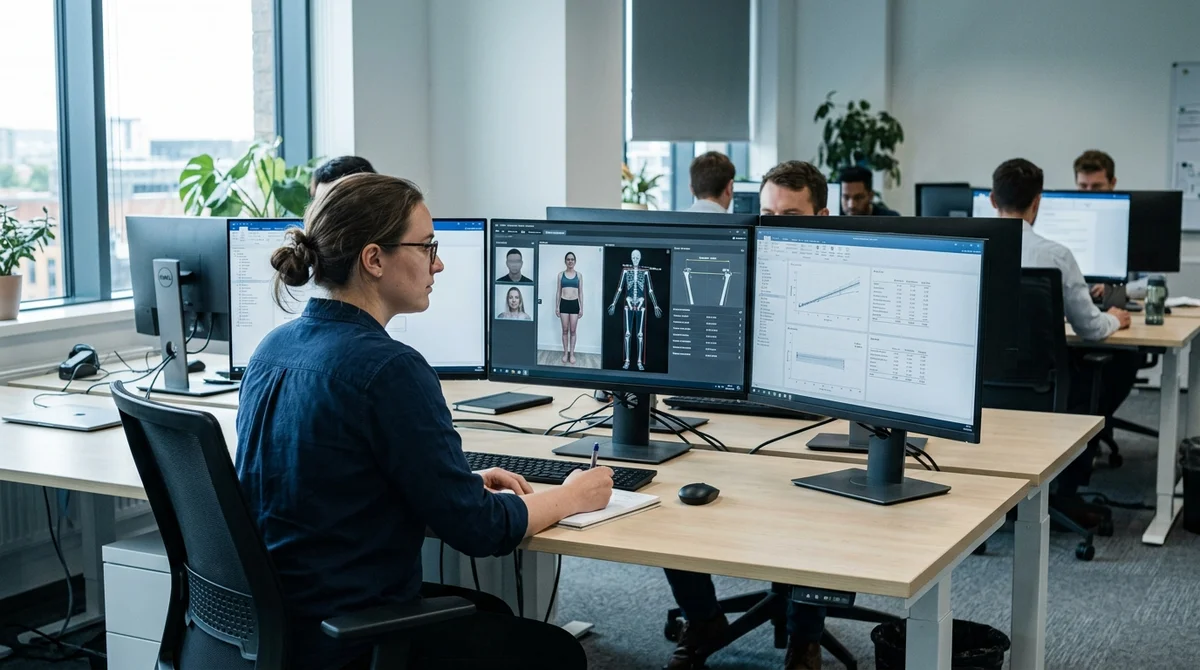
Meta has developed a visual analysis system capable of determining a user's age from photographs by analyzing height and bone structure. This is the first step toward automating age verification without requiring document submission. The pilot launch of the technology began in select countries, and the company plans its full-scale global expansion.
How the Technology Analyzes Age
The AI system uses computer vision to analyze the human body in uploaded photographs. The algorithm is trained to recognize physical markers that correlate with age — torso height, skeletal proportions, structure and density of bone tissue. This is supported by research in anthropology and medicine: bone development occurs predictably and provides sufficiently accurate indication of chronological age. The system does not require document submission and operates entirely automatically upon content upload. A user uploads a photo — the algorithm analyzes it in the background and provides a result. No human involvement, no delay. This theoretically allows Meta to protect minors in real time.
Meta positions this development as a tool to protect underage users from 18+ content and interaction with adult predators. The company already uses various age-gating methods, including passport data requests, payment card verification, and facial biometrics. Visual analysis of body composition is added as an additional layer of protection that operates without active user participation.
Current State and Global Strategy
The system currently operates in a limited number of countries. Meta has not disclosed the full list of regions where testing is underway, but indicated on social media that expansion will be gradual and cautious. The company is actively studying algorithm accuracy across various populations and gathering feedback from rights organizations before global launch.
Plans include several priorities:
- Analysis of body proportions and their alignment with age-related norms
- Recognition of secondary sexual characteristics from photographs
- Comparison with a database of age patterns for different ethnicities
- Automatic restriction of access to 18+ content for identified minors
- Integration with Instagram and Threads (Meta subsidiary services)
Criticism and Privacy Questions
The technology already raises concerns among activists and security experts. The main issue is the risk of errors. The accuracy of such systems historically depends on the dataset on which they are trained. If the database primarily included photos of people from a specific ethnic group or body type, the system may perform worse for other populations. This is particularly critical in Africa, Asia, and Latin America, where there are many users but representation in datasets is low.
Second, serious privacy questions arise. Analysis of body composition and bone structure can be perceived as covert biometric screening, even if Meta claims that photos are not stored on company servers. What data does the algorithm use? How long is it retained in system memory? Can the company repurpose this technology for other purposes?
"Protecting children is a priority, but algorithm transparency and
data control are equally important," noted digital security experts.
Child protection organizations welcome Meta's intention to protect minors but demand full transparency: what characteristics does the system analyze, how often does it make errors, how does user complaint submission work.
What This Means
Meta is attempting to automate one of the most complex tasks in content moderation — determining user age without direct identity confirmation and without friction for the user. If the system demonstrates acceptable accuracy (above 95%), it can be expected on other major platforms within years. However, questions about fairness, privacy, and reliability across different ethnicities remain open and require resolution before mass deployment.