SpaceX to invest up to $119 billion in Terafab chip plant in Texas
SpaceX plans to build a large-scale chip plant, Terafab, in Texas. Initial investment is $55 billion, and the total could reach $119 billion. The plant will pro
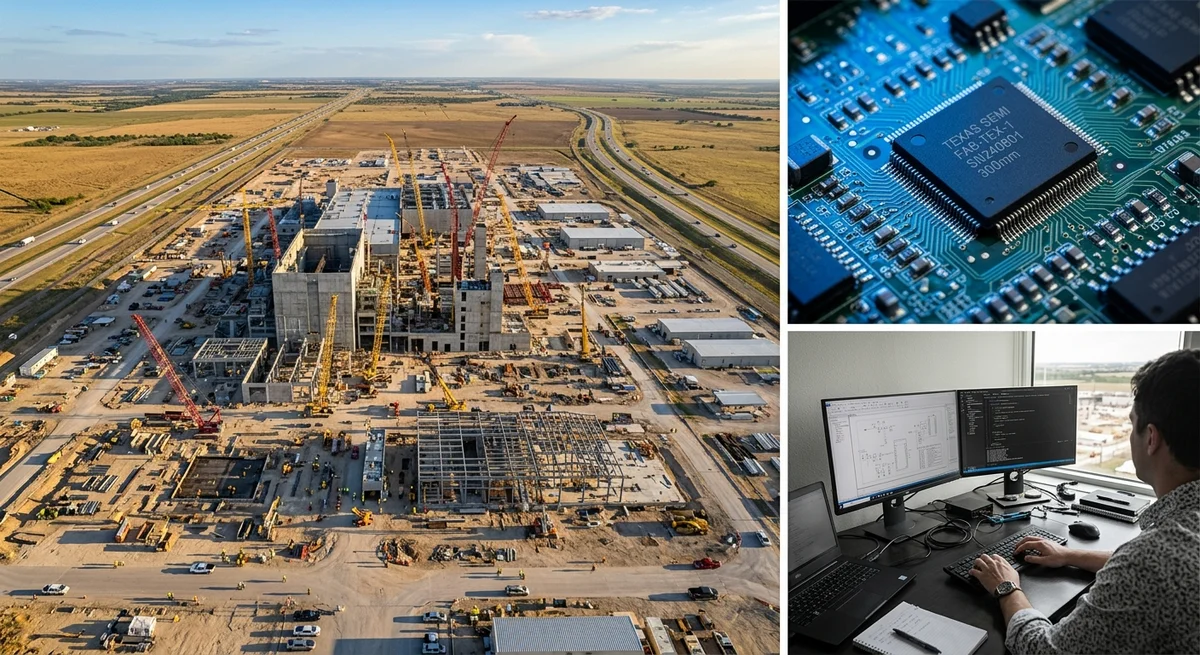
SpaceX is considering building its own semiconductor factory in Texas. According to an application to Grimes County, the company is prepared to invest $55 billion initially, with total investments potentially reaching $119 billion — Musk's largest capital investment in terrestrial infrastructure.
Terafab Project Scale
The factory received the codename Terafab and will become one of the largest manufacturing facilities in the history of American electronics. For comparison: Intel spent approximately $20 billion building a factory in Ohio in 2022, Samsung is investing tens of billions to expand production in South Korea, and TSMC in Taiwan is building new production lines for $40+ billion. At $119 billion, the project places itself at the level of the largest infrastructure programs in history. The initial $55 billion will enable launching the first production lines (approximately 20-30% of full capacity), with remaining investments going toward expansion and implementation of advanced technologies.
- Initial budget: $55 billion
- Maximum investment volume: up to $119 billion
- Location: Grimes County, Texas (approximately 100 km from Houston)
- Codename: Terafab
- Estimated size: hundreds of hectares of land
Why SpaceX Needs Its Own Factory
SpaceX has two critical chip consumers: Starlink satellites (more than 6,000 in orbit) and xAI supercomputers for training large language models. Current dependence on external suppliers like TSMC or Samsung creates vulnerability: a disruption in the supply chain threatens to halt both projects.
xAI is in a critical situation. The company is building giant data centers requiring hundreds of thousands of GPUs and specialized AI chips simultaneously. On the market, demand for AI accelerators has skyrocketed, prices have increased 30-50%, and manufacturers are imposing delivery queues. An own factory will provide control: no delays, no refusals of priority access. This is also a geopolitical move. The federal government supports manufacturing localization through the CHIPS Act (more than $50 billion allocated), fearing Taiwan's monopoly. SpaceX can count on state subsidies and tax benefits covering part of the costs.
Status and Uncertainty
For now, this is only under consideration — SpaceX has not announced an official decision. The application to Grimes County signals serious intent, but implementation will require approvals from state regulators, federal agencies, environmental commissions, and hiring tens of thousands of specialists. The monetization strategy remains unclear: will the factory produce chips for third-party companies or only for SpaceX and xAI. The first option attracts partners, the second guarantees confidentiality. This choice significantly affects profitability.
What This Means
Musk is moving toward complete vertical integration: rockets, satellites, power systems, AI models, and now microchips. If the project materializes, it will confirm the philosophy of controlling the entire production cycle. For the industry, this signals a new wave of power concentration in the hands of technology giants.