Musk's lawsuit exposes OpenAI's conflict between profit and safety
Elon Musk has filed a lawsuit against OpenAI, challenging the legality of its for-profit structure. Musk argues that creating a for-profit OpenAI subsidiary pulled the organization far from its original mission: making AGI as safe as possible for the benefit of all humanity. The case could become a turning point for how AI companies are held accountable to the public and to regulators.
AI-processed from TechCrunch; edited by Hamidun News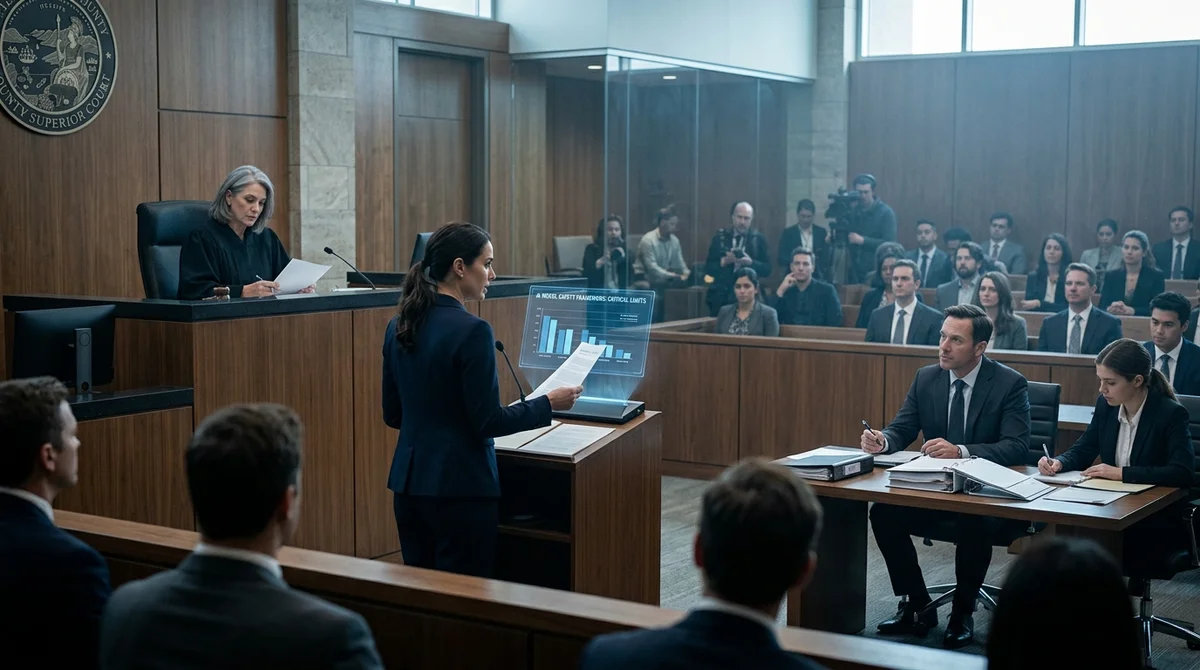
Elon Musk has filed a lawsuit against OpenAI, calling into question the company's entire legal and organizational structure. The core of his claim: OpenAI's for-profit subsidiary, OpenAI LP, has drifted away from the original mission of making AGI safe for all of humanity.
How it started
OpenAI was founded in 2015 as a nonprofit with an explicit, clear-cut goal: to develop artificial general intelligence (AGI) that would be not only powerful but also safe, with its benefits shared for the good of humanity. The company raised money from charitable foundations, wealthy technologists, and philanthropists who were willing to donate without expecting a financial return.
In 2019, however, the strategy changed. OpenAI set up a for-profit subsidiary, OpenAI LP, which let the company take investment from Microsoft, other major tech companies, and venture funds seeking a financial return. That allowed OpenAI to raise tens of billions of dollars to scale up research and development, but, according to Musk, it radically changed the company's fundamental incentives and priorities.
"The company has deviated from its original, clearly stated mission in favor of private investors and shareholders,"
Musk claims in the complaint.
Mission vs. financial incentives
The case raises a deep question that goes to the foundation of the entire AGI industry: can a single organization serve the public good while also delivering record profits to private shareholders and investors? This isn't just a philosophical objection. It's a question of structural incentives.
In Musk's view, the answer is clear and unambiguous: it can't, if the company's charter states in black and white that its sole priority is AGI safety, not financial return.
Musk's lawsuit points to a number of specific problems:
- OpenAI is investing in pushing AGI development as fast as possible to gain a competitive edge over other labs, not in deep safety research
- Mounting commercial pressure (the need to return investment on a fixed timeline) is forcing the company into serious compromises on safety research and testing
- Investors, especially Microsoft, have real influence over strategic decisions and priorities, which often run counter to the original safety mission
- The company is actively privatizing all revenue from AGI research and sales instead of sharing the benefits as a public good
What's at stake
If Musk wins the case, the consequences could be serious and far-reaching, not only for OpenAI but for the entire industry. Possible outcomes include: fully restructuring OpenAI back into a completely nonprofit model, a court-ordered freeze on commercial operations pending a full review of compliance with its charter, or even the recovery of accumulated profits for an independent global AGI safety fund.
Even if the lawsuit fails in court, it has already set off a deep reassessment that is forcing the whole AGI development industry to seriously rethink the fundamental balance between speed and responsibility. The question is stark: to what extent can commercial incentives and the race for AGI leadership coexist with public accountability and safety commitments at all?
What this means for the industry
This case is not just a personal dispute between Musk and OpenAI, as press coverage might make it seem. It's a fundamental question about who controls AGI, whose interests it is being built for, and what checks will keep it safe over the long term.
If private investors and shareholders can easily steer a company away from its public mission in pursuit of short-term profit, then the promise of "safe AGI" becomes just marketing and a PR move rather than a technical and organizational priority. What's at stake is trust in the industry.
- Nov 1, 2026OpenAI Rewrites GPT Behavior Rules: Five Values and a Chain of Command
- Nov 1, 2026Google admits AI Mode cuts search revenue, shares fall 15%
- Oct 31, 2026Author puts his script before an AI jury: the verdict cost 850 thousand tokens
- Oct 31, 2026Anthropic: Fold Subagents Back Into a Single Loop — One Customer's Tasks Ran Twice as Fast
Key Questions Answered
How it started?
OpenAI was founded in 2015 as a nonprofit with an explicit, clear-cut goal: to develop artificial general intelligence (AGI) that would be not only powerful but also safe, with its benefits shared for the good of humanity. The company raised money from charitable foundations, wealthy technologists, and philanthropists who were willing to donate without expecting a financial return. In 2019, however, the strategy changed. OpenAI set up a for-profit subsidiary, OpenAI LP, which let the company take investment from Microsoft, other major tech companies, and venture funds seeki
What are the key details on Mission vs. financial incentives?
The case raises a deep question that goes to the foundation of the entire AGI industry: can a single organization serve the public good while also delivering record profits to private shareholders and investors? This isn't just a philosophical objection. It's a question of structural incentives. In Musk's view, the answer is clear and unambiguous: it can't, if the company's charter states in black and white that its sole priority is AGI safety, not financial return. Musk's lawsuit points to a number of specific problems: OpenAI is investing in pushing AGI development as fas
What's at stake?
If Musk wins the case, the consequences could be serious and far-reaching, not only for OpenAI but for the entire industry. Possible outcomes include: fully restructuring OpenAI back into a completely nonprofit model, a court-ordered freeze on commercial operations pending a full review of compliance with its charter, or even the recovery of accumulated profits for an independent global AGI safety fund. Even if the lawsuit fails in court, it has already set off a deep reassessment that is forcing the whole AGI development industry to seriously rethink the fundamental balanc
Ship AI Faster with Founders, Engineers & Weekly Architecture Reviews
Inside Vibe Club (hamidun.com/club) — weekly live masterminds with Zhemal Khamidun, Tech Radar, full LMS access, and 370+ production Claude Code skills.
The AI world, distilled — once a week
Seven stories that actually mattered, hand-picked. No noise, no reposts, no press releases.
Done! Check your inbox for a confirmation.