Digg returns as an AI aggregator that tracks influential voices
Digg is back, this time as an AI-powered news aggregator. The service will track influential voices across industries and surface only the most important stories. Beta testing is already underway. The relaunch revives the cult aggregator that once competed with Reddit.
AI-processed from TechCrunch; edited by Hamidun News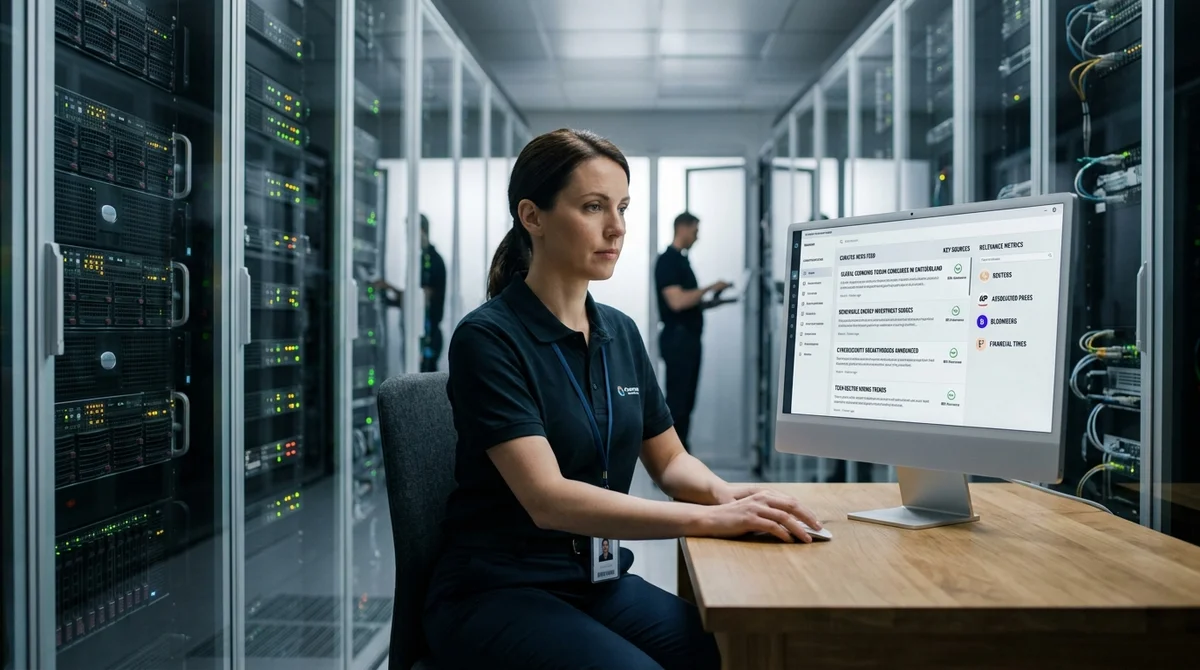
Digg, the cult news service, is back with a new mission. This time the company is betting on artificial intelligence to track influential voices in each industry and show users the news that actually matters: the stories that get buried under the noise of the internet.
A history of collapse and a possible comeback
In the late 2000s, Digg was synonymous with crowdsourced news. Users voted on interesting articles, and the best ones made it to the front page. The service competed with other aggregators and had a substantial audience. Then, in 2010, the company decided to completely overhaul its design and interface.
The redesign was a disaster. The new layout was less intuitive, the algorithm for picking stories was harder to understand, and features were cut. Thousands of users migrated to Reddit and other platforms. Digg never recovered that level of popularity, although the company lived on in other forms.
Now Digg wants a rematch, but in a different game. Instead of relying on community voting alone, it is using AI that understands which information is genuinely valuable and relevant.
AI as a filter for information noise
According to the company, in a letter sent to beta testers, the new Digg tracks influential voices across industries, from technology to politics, science, and business, and highlights the news that genuinely deserves attention and deeper study.
The idea is simple but powerful. A huge volume of information pours onto the internet every day. Most of it is noise, advertising, copy-paste, or repetition. What's needed is an assistant that filters intelligently: not by clicks and virality, but by real significance to a specific industry.
- Tracking influential sources and authors in each field
- Filtering news by relevance, source authority, and significance
- Personalized feeds for different industries and interests
- The ability to dig deep into the niches you care about
A comeback through the side door
Digg doesn't have to become the next Reddit or compete with TikTok for a mass audience. The AI aggregator niche is currently wide open. The market has Perplexity for AI search and NotebookLM for synthesizing documents, but there is no full-fledged AI aggregator focused on influential voices and professional relevance.
Digg has cards to play: its history as a crowdsourcing pioneer, residual loyalty from its old audience, and a new AI-driven approach. If the company makes the service genuinely useful, with a well-calibrated algorithm and a convenient interface, it could become a powerful tool for professionals who follow developments in their industries.
"The goal of the site is to track the most influential voices in the
space and highlight the news that's actually worth watching," the company explained.
What this means for the information landscape
AI aggregators are becoming the norm rather than a novelty. If Digg manages to build a filter that actually works on top of the information chaos, that will be worth more than any redesign. A legendary service that once lost in its own niche is getting a shot at a second wind, in the era of AI and information overload.
- Oct 29, 2026Claude in Houdini on Windows: Two Bugs in the Agent Panel and a 31-Node Geode
- Oct 28, 2026NVIDIA Releases 120B Nemotron 3.5 Super VL and Bolt Models for Local Agents
- Oct 28, 2026Modal Raises $750M at a $15.75B Valuation and Reaches $1B in ARR
- Oct 27, 2026Meta opens Muse Spark at 816B, Reflection releases Beam under Apache 2.0
Key Questions Answered
What are the key details on A history of collapse and a possible comeback?
In the late 2000s, Digg was synonymous with crowdsourced news. Users voted on interesting articles, and the best ones made it to the front page. The service competed with other aggregators and had a substantial audience. Then, in 2010, the company decided to completely overhaul its design and interface. The redesign was a disaster. The new layout was less intuitive, the algorithm for picking stories was harder to understand, and features were cut. Thousands of users migrated to Reddit and other platforms. Digg never recovered that level of popularity, although the company l
What are the key details on AI as a filter for information noise?
According to the company, in a letter sent to beta testers, the new Digg tracks influential voices across industries, from technology to politics, science, and business, and highlights the news that genuinely deserves attention and deeper study. The idea is simple but powerful. A huge volume of information pours onto the internet every day. Most of it is noise, advertising, copy-paste, or repetition. What's needed is an assistant that filters intelligently: not by clicks and virality, but by real significance to a specific industry. Tracking influential sources and authors
What are the key details on A comeback through the side door?
Digg doesn't have to become the next Reddit or compete with TikTok for a mass audience. The AI aggregator niche is currently wide open. The market has Perplexity for AI search and NotebookLM for synthesizing documents, but there is no full-fledged AI aggregator focused on influential voices and professional relevance. Digg has cards to play: its history as a crowdsourcing pioneer, residual loyalty from its old audience, and a new AI-driven approach. If the company makes the service genuinely useful, with a well-calibrated algorithm and a convenient interface, it could becom
Ship AI Faster with Founders, Engineers & Weekly Architecture Reviews
Inside Vibe Club (hamidun.com/club) — weekly live masterminds with Zhemal Khamidun, Tech Radar, full LMS access, and 370+ production Claude Code skills.
The AI world, distilled — once a week
Seven stories that actually mattered, hand-picked. No noise, no reposts, no press releases.
Done! Check your inbox for a confirmation.