Former CIA officers launch AI startups as the defense budget heads toward $1.5 trillion
Former CIA officers are stepping out of the shadows and into boardrooms. Ex-intelligence staff are founding defense technology startups in numbers, betting on higher military spending: Trump is pushing for a $1.5 trillion budget, opening a $338 billion market for AI and advanced technology. Knowledge of how government processes work and connections inside the Pentagon are becoming their main competitive edge.
AI-processed from Bloomberg Tech; edited by Hamidun News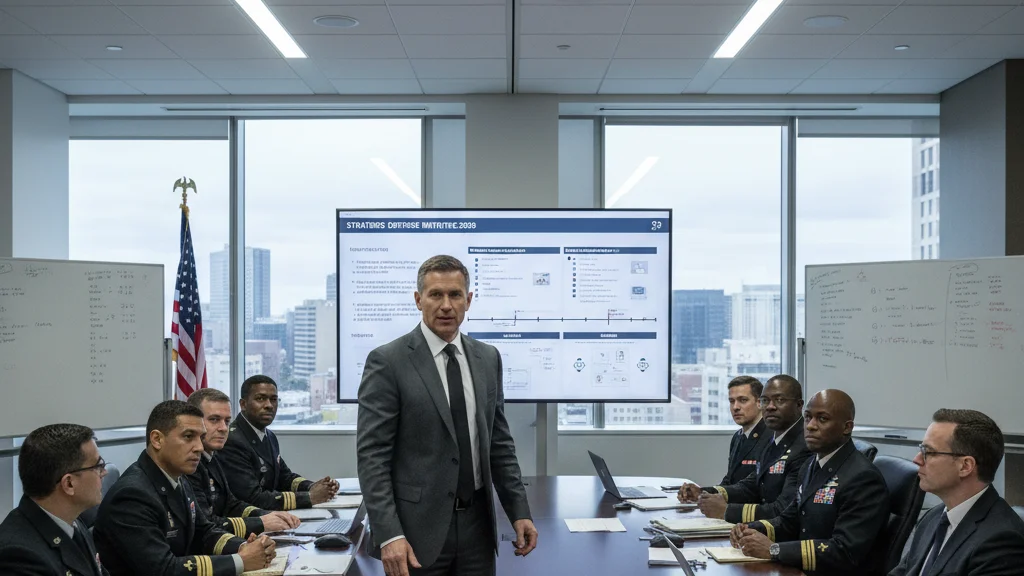
Former officers of US intelligence agencies are increasingly moving into entrepreneurship, founding technology startups aimed at the defense market. Bloomberg examined the new wave of founders: ex-intelligence staff are emerging from the shadows and taking CEO and board seats.
Spies move into startups
Over the past two years, the number of technology companies founded by former CIA employees and veterans of other US intelligence agencies has risen sharply. They include former analysts, field operatives and unit heads who decided to convert classified experience into commercial products.
The areas these startups work in unsurprisingly match their professional backgrounds: cybersecurity, open-source intelligence (OSINT), autonomous systems, AI processing of satellite imagery, predictive threat analytics and countering disinformation.
The key competitive advantage is not just a network. The active security clearances many founders hold dramatically shorten the path to a first defense contract. Add years of working with incomplete data under high stakes, which builds a specific understanding of how AI systems must work in real combat scenarios rather than in academic tests.
A $1.5 trillion budget as catalyst
The Trump administration is actively pushing for a record increase in the military budget, to $1.5 trillion. The US defense technology procurement market is already estimated at $338 billion, and a significant share of it is earmarked for AI, autonomous systems and dual-use technologies.
Among the top priorities:
- Autonomous drones and robotic systems for combat operations
- Real-time AI analysis of intelligence data
- Tools for cyberattacks and for protecting critical infrastructure
- Biometrics, recognition systems and object tracking
- Satellite technology with AI processing of remote sensing data
For startups with an intelligence background, this is not just a market but familiar terrain. They understand how Pentagon procurement works, can navigate multi-year bureaucratic cycles, and know the real priorities of military customers, not from open sources but from years of working inside the system.
Venture capital is changing too
Investment funds specializing in defense tech report a sharp rise in applications from teams with intelligence backgrounds. Investors openly speak of an "unfair advantage" over tech teams without government experience: understanding of regulation, access to closed briefings, and familiarity with how procurement actually works.
Silicon Valley has traditionally held that the defense market is too slow and bureaucratic for startup logic. Former intelligence officers see it very differently: they worked inside the system and know exactly where decisions are really made, how to frame requests, and when to press the accelerator and when to wait.
Venture investment in US defense technology is growing faster than the wider market, amid geopolitical tension and rising military budgets among NATO allies.
What it means
The wave of "spy entrepreneurs" is a symptom of a deeper shift: the line between the intelligence community and tech venture capital is blurring. A record military budget is becoming a new venture magnet, and people with experience inside the government apparatus are unexpectedly turning into the most sought-after founders in defense tech.
- Nov 1, 2026Local models lose to Opus and Codex: 0.21 on a MacBook versus 1.00 for Codex
- Nov 1, 2026Adobe's EditAgent judge picks a usable edit 81.3% of the time, versus 74.8% for EditScore
- Nov 1, 202616 models tested on 7 search tools: Exa averaged 10.5 out of 14, SearXNG about 3
- Nov 1, 2026Google's StreamVibe video agent beats other models by 10.7% on response timing and quality
Key Questions Answered
What are the key details on Spies move into startups?
Over the past two years, the number of technology companies founded by former CIA employees and veterans of other US intelligence agencies has risen sharply. They include former analysts, field operatives and unit heads who decided to convert classified experience into commercial products. The areas these startups work in unsurprisingly match their professional backgrounds: cybersecurity, open-source intelligence (OSINT), autonomous systems, AI processing of satellite imagery, predictive threat analytics and countering disinformation. The key competitive advantage is not ju
What are the key details on A $1.5 trillion budget as catalyst?
The Trump administration is actively pushing for a record increase in the military budget, to $1.5 trillion. The US defense technology procurement market is already estimated at $338 billion, and a significant share of it is earmarked for AI, autonomous systems and dual-use technologies. Among the top priorities: Autonomous drones and robotic systems for combat operations Real-time AI analysis of intelligence data Tools for cyberattacks and for protecting critical infrastructure Biometrics, recognition systems and object tracking Satellite technology with AI processing of r
What are the key details on Venture capital is changing too?
Investment funds specializing in defense tech report a sharp rise in applications from teams with intelligence backgrounds. Investors openly speak of an "unfair advantage" over tech teams without government experience: understanding of regulation, access to closed briefings, and familiarity with how procurement actually works. Silicon Valley has traditionally held that the defense market is too slow and bureaucratic for startup logic. Former intelligence officers see it very differently: they worked inside the system and know exactly where decisions are really made, how to
Ship AI Faster with Founders, Engineers & Weekly Architecture Reviews
Inside Vibe Club (hamidun.com/club) — weekly live masterminds with Zhemal Khamidun, Tech Radar, full LMS access, and 370+ production Claude Code skills.
The AI world, distilled — once a week
Seven stories that actually mattered, hand-picked. No noise, no reposts, no press releases.
Done! Check your inbox for a confirmation.