How voice AI gets made: Babel Audio pays strangers to talk to each other
Babel Audio pays people to record conversations with strangers so that voice models can sound more natural. The gig starts out like an ordinary call, but it can easily drift into confessions, arguments and role-play scenes. For AI companies, this is a rare kind of data: live intonation, pauses, interruptions, hesitations and other small details that you can't simply scrape from text on the internet.
AI-processed from Bloomberg Tech; edited by Hamidun News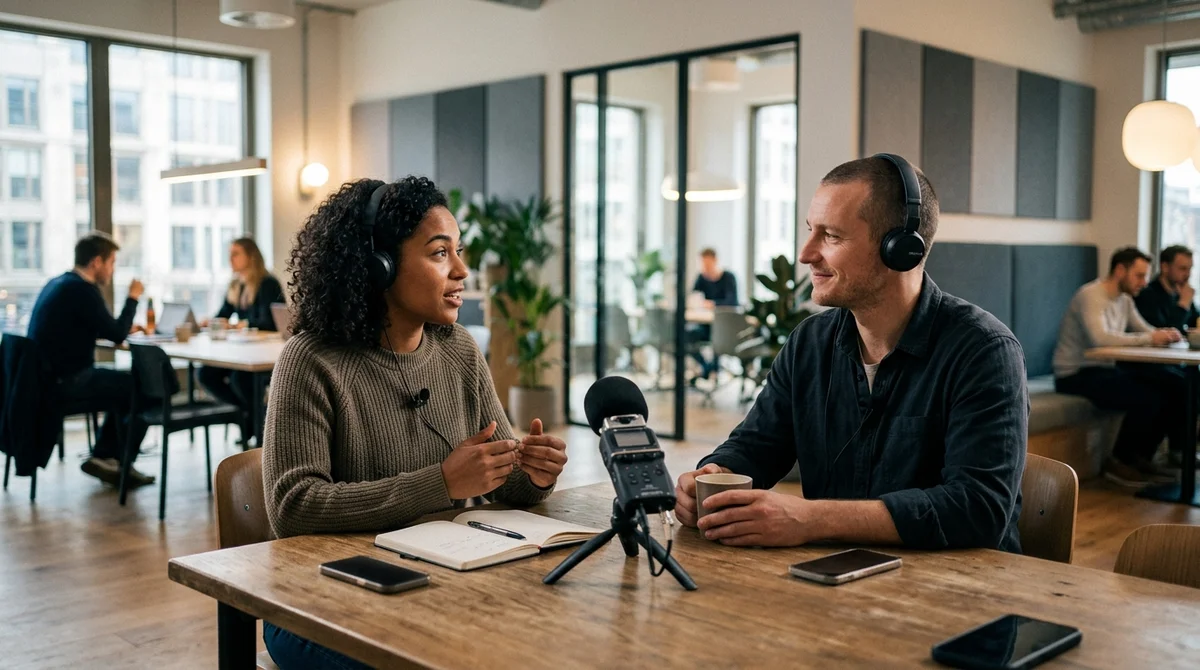
Voice AI is trained on real conversations: Babel Audio pays strangers to talk to each other and turns their voices into training data for neural networks.
How do people help train voice AI on Babel Audio?
Anonymous participants join remote calls where they share memories, argue and act out roles. These conversations become raw material for a neural network, helping it learn the natural intonation and emotion of a real person.
How does voice AI learn to sound more human?
According to Bloomberg, Babel Audio collects real conversations in which people confess, argue and play out roles. Machines analyze these dialogues to learn to imitate the natural tone and intonation of a living person rather than an answering machine.
Who takes part in training voice AI on Babel Audio?
Anonymous participants who get paid to talk. The story of one participant, Gina, shows that people share painful memories, childhood trauma and personal stories with a conversation partner who introduces himself as a pastor.
How does voice AI training work?
Babel Audio turns ordinary people's conversations into raw material for voice AI. Participants talk with strangers, tell stories, argue and act out roles so that machines can learn to sound like a real person, not an answering machine.
Key Questions Answered
How do people help train voice AI on Babel Audio?
Anonymous participants join remote calls where they share memories, argue and act out roles. These conversations become raw material for a neural network, helping it learn the natural intonation and emotion of a real person.
How does voice AI learn to sound more human?
According to Bloomberg, Babel Audio collects real conversations in which people confess, argue and play out roles. Machines analyze these dialogues to learn to imitate the natural tone and intonation of a living person rather than an answering machine.
Who takes part in training voice AI on Babel Audio?
Anonymous participants who get paid to talk. The story of one participant, Gina, shows that people share painful memories, childhood trauma and personal stories with a conversation partner who introduces himself as a pastor.
How does voice AI training work?
Babel Audio turns ordinary people's conversations into raw material for voice AI. Participants talk with strangers, tell stories, argue and act out roles so that machines can learn to sound like a real person, not an answering machine.
Ship AI Faster with Founders, Engineers & Weekly Architecture Reviews
Inside Vibe Club (hamidun.com/club) — weekly live masterminds with Zhemal Khamidun, Tech Radar, full LMS access, and 370+ production Claude Code skills.
The AI world, distilled — once a week
Seven stories that actually mattered, hand-picked. No noise, no reposts, no press releases.
Done! Check your inbox for a confirmation.