Deploying AI: Why Latency Matters More Than Accuracy
For years, engineers have optimized AI models for accuracy and recall, but in production systems a different parameter decides the outcome: latency. UX research shows that users will forgive an occasional error, but they won't wait three seconds. That is when they close the tab. Latency drives the choice of architecture, model size and inference method, and that decision has to be made before any other.
AI-processed from Habr AI; edited by Hamidun News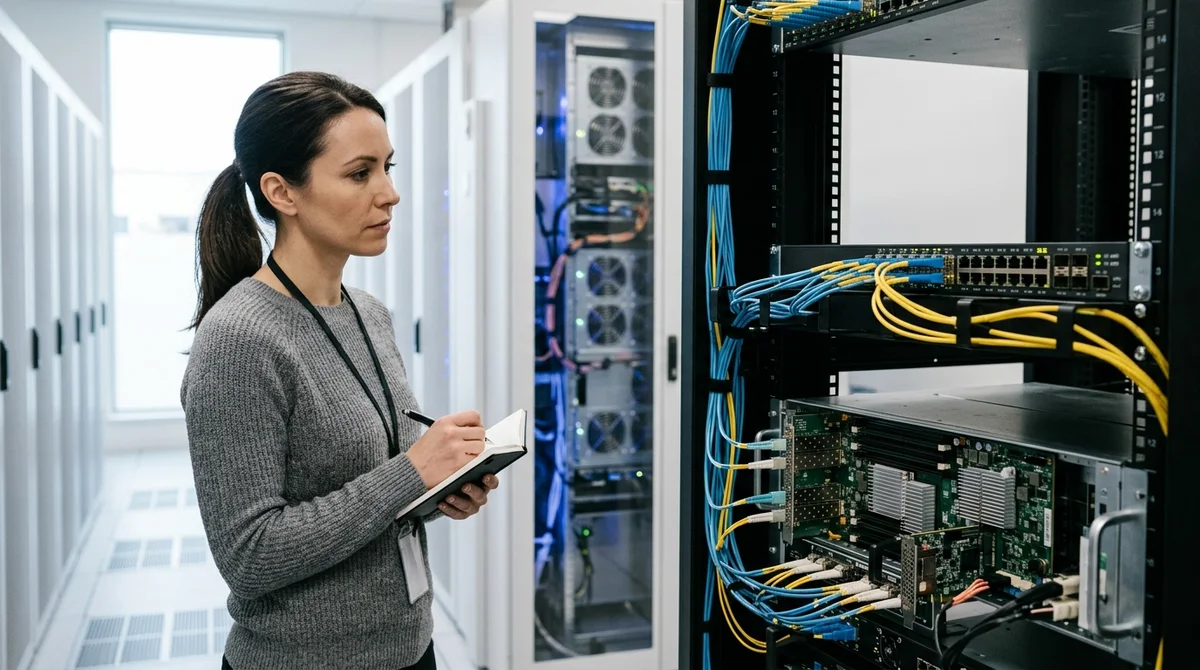
When a company deploys AI, latency kills the product faster than an occasional model error. While engineers compete on the accuracy of their training data, production reality sets different priorities.
When deploying AI, what matters more: model accuracy or response speed?
Production reality shows that a slow response kills a product faster than an occasional model error. Training metrics (accuracy, precision, recall) say nothing about how users perceive the system in real-world conditions.
What matters more for AI in production: accuracy or response speed?
A slow response kills a product faster than an occasional model error. Training metrics (accuracy, precision, recall, F1-score) don't show how users perceive the product in real-world conditions.
Why does speed matter more than accuracy for AI in production?
Users wait at most 1–2 seconds for a response. A slow response leads to churn, while a small error often goes unnoticed.
Which metrics should you track when deploying an AI system?
Beyond accuracy and precision, latency, throughput and the results of A/B tests with real users matter.
What matters more for an AI product's success: response speed or accuracy?
A slow response kills a product faster than an occasional model error. Training metrics (accuracy, precision, recall, F1-score) don't tell you how users perceive the product in real-world conditions.
Why does latency matter more than accuracy in AI systems?
Because users notice a slow response immediately, while rare errors can go unnoticed. In production, metrics like accuracy and F1-score say nothing about how people perceive the system in real-world conditions.
Key Questions Answered
When deploying AI, what matters more: model accuracy or response speed?
Production reality shows that a slow response kills a product faster than an occasional model error. Training metrics (accuracy, precision, recall) say nothing about how users perceive the system in real-world conditions.
What matters more for AI in production: accuracy or response speed?
A slow response kills a product faster than an occasional model error. Training metrics (accuracy, precision, recall, F1-score) don't show how users perceive the product in real-world conditions.
Why does speed matter more than accuracy for AI in production?
Users wait at most 1–2 seconds for a response. A slow response leads to churn, while a small error often goes unnoticed.
Which metrics should you track when deploying an AI system?
Beyond accuracy and precision, latency, throughput and the results of A/B tests with real users matter.
Test Frontier LLMs & Autonomous Agents in One Workspace
Run Claude Opus 5.5, GPT-6, Gemini 3.1, and DeepSeek side-by-side in Nomad AI (nomadnet.ai) — unified model routing, deep research, and multimodal workflows under one subscription.
The AI world, distilled — once a week
Seven stories that actually mattered, hand-picked. No noise, no reposts, no press releases.
Done! Check your inbox for a confirmation.