US Army signs Anduril contract worth up to $20 billion for military AI systems
The US Army has signed a ten-year contract with Anduril with a ceiling of up to $20 billion. The new arrangement consolidates more than 120 separate procurements into a single agreement and is meant to speed up deliveries of software, hardware, computing infrastructure and technical support to the Army. For Anduril, it is further confirmation that defense AI is moving from a niche segment to a systemic market with very large budgets.
AI-processed from TechCrunch; edited by Hamidun News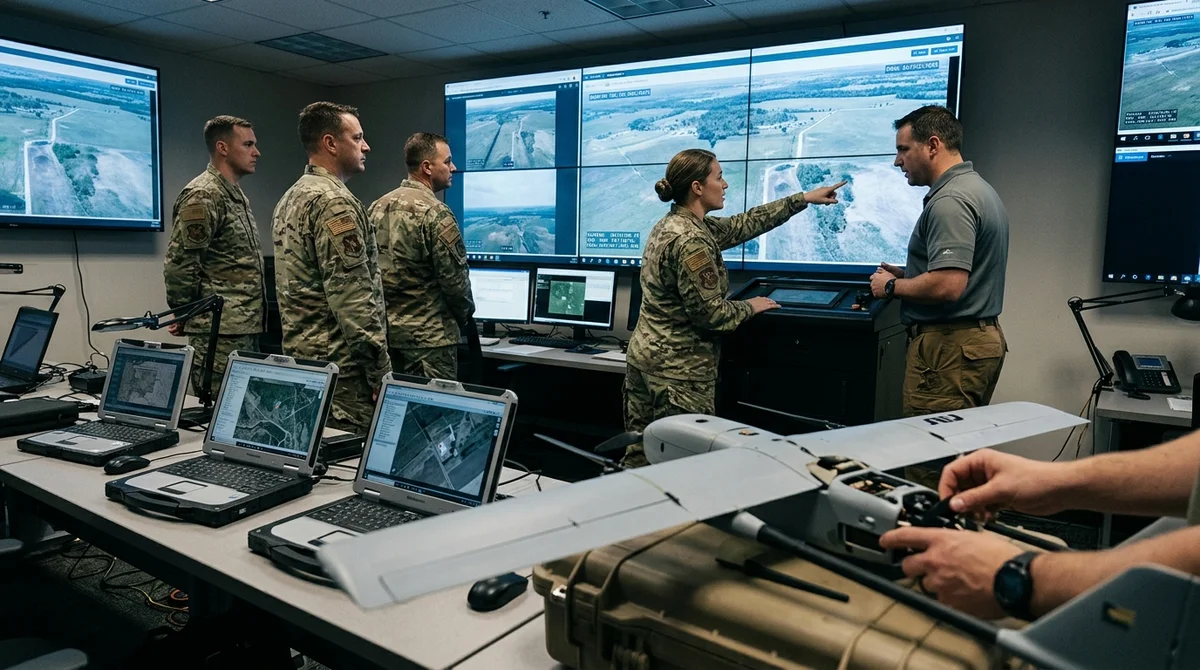
The US Army has signed a ten-year contract with Anduril with a ceiling of up to $20 billion. The deal does not mean the full amount is released at once, but it moves procurement of the company's key products into a single mechanism through which the military can order software, hardware and related services faster.
What the contract includes
According to the official description, this is a 10-year enterprise contract: a five-year base period and five more years as an option. The ceiling is set at up to $20 billion, but that is the maximum possible value, not an amount already obligated for payment. Specific funding, scope of work and places of performance will be determined by individual orders. The contract also carries a target end date of March 12, 2036, which makes it a long-running framework instrument rather than a one-off purchase for a single project.
The agreement covers not just individual devices or licenses but a whole set of Anduril's commercial solutions. The official contract notice lists the Lattice platform with AI capabilities and an open architecture, integrated hardware, data, computing infrastructure and technical support. In other words, the Army is not buying one specific system but a unified way to order the company's existing and future products as a single, ready-to-deploy system for its operational and administrative needs.
Why the Army wants it
The main reason is simple: the Army previously ran more than 120 separate procurement actions for Anduril's commercial solutions. Now they are consolidated into one contractual framework. According to the Army, this should cut unnecessary bureaucracy, reduce administrative costs and get technology to units faster. An added benefit is that Anduril is already integrated with hundreds of joint and Army systems, so the military expects to assemble working command-and-control loops from software, sensors and command interfaces more quickly, without new approvals for every detail.
- Shorter procurement timelines
- Lower overhead on subcontracts
- Uniform, pre-negotiated prices and terms
- Additional discounts for volume and recurring orders
- A better basis for interoperability of counter-drone systems
"The modern battlefield is increasingly defined by software," said
Gabe Chiulli of the US Department of Defense CIO office.
The Army separately stresses interoperability of counter-drone systems. Brigadier General Matt Ross called the contract an important step toward a common framework for such interaction and a baseline command-and-control capability. This is an important detail: it is not only about procurement savings but also an attempt to build a single control layer for different sensors, platforms and units operating in an environment where drones and software are becoming part of everyday combat infrastructure.
What it means for Anduril
For Anduril, this is more than a big headline ceiling. The company, founded by Palmer Luckey, has long tried to establish itself not as a supplier of individual drones or experimental software but as a new type of systemic defense vendor, focused on software and a fast development cycle. This contract reinforces that role: Anduril becomes a platform supplier through which the Army can centrally order current and future commercial technologies without reinventing the process for each program.
There is also a market effect. According to figures TechCrunch cites from a recent New York Times profile, Anduril's revenue last year was around $2 billion, and the company is in talks on a new funding round at a valuation of around $60 billion. Against that backdrop, the Army contract looks not just like a financial opportunity but like a strong political and commercial signal: the Pentagon is ready to place large bets on private defense tech companies whose value is built around software, autonomy, integration and rapid system updates.
What this means
The news matters for more than the size of the sum. It shows that military procurement of AI systems is shifting from one-off pilots and scattered orders to long framework arrangements in which software, hardware, data and support are bought together. If the Anduril model works the way the Army expects, a similar format could be applied more actively to other defense AI suppliers, and that changes the way the state buys the technology of war.
Key Questions Answered
What the contract includes?
According to the official description, this is a 10-year enterprise contract: a five-year base period and five more years as an option. The ceiling is set at up to $20 billion, but that is the maximum possible value, not an amount already obligated for payment. Specific funding, scope of work and places of performance will be determined by individual orders. The contract also carries a target end date of March 12, 2036, which makes it a long-running framework instrument rather than a one-off purchase for a single project. The agreement covers not just individual devices or
Why the Army wants it?
The main reason is simple: the Army previously ran more than 120 separate procurement actions for Anduril's commercial solutions. Now they are consolidated into one contractual framework. According to the Army, this should cut unnecessary bureaucracy, reduce administrative costs and get technology to units faster. An added benefit is that Anduril is already integrated with hundreds of joint and Army systems, so the military expects to assemble working command-and-control loops from software, sensors and command interfaces more quickly, without new approvals for every detail
What it means for Anduril?
For Anduril, this is more than a big headline ceiling. The company, founded by Palmer Luckey, has long tried to establish itself not as a supplier of individual drones or experimental software but as a new type of systemic defense vendor, focused on software and a fast development cycle. This contract reinforces that role: Anduril becomes a platform supplier through which the Army can centrally order current and future commercial technologies without reinventing the process for each program. There is also a market effect. According to figures TechCrunch cites from a recent
Ship AI Faster with Founders, Engineers & Weekly Architecture Reviews
Inside Vibe Club (hamidun.com/club) — weekly live masterminds with Zhemal Khamidun, Tech Radar, full LMS access, and 370+ production Claude Code skills.
The AI world, distilled — once a week
Seven stories that actually mattered, hand-picked. No noise, no reposts, no press releases.
Done! Check your inbox for a confirmation.