Nvidia B300 in China Hits $1 Million Amid Export Curbs and Frenzied Demand
Nvidia B300 servers in China now cost around 7 million yuan—roughly $1 million and nearly double the US price. Prices jumped from 4 million yuan since late last year due to tightened export controls, the Supermicro co-founder's arrest, and strong demand from Chinese AI firms that need computing power but avoid holding restricted hardware on their balance sheets.
AI-processed from TNW; edited by Hamidun News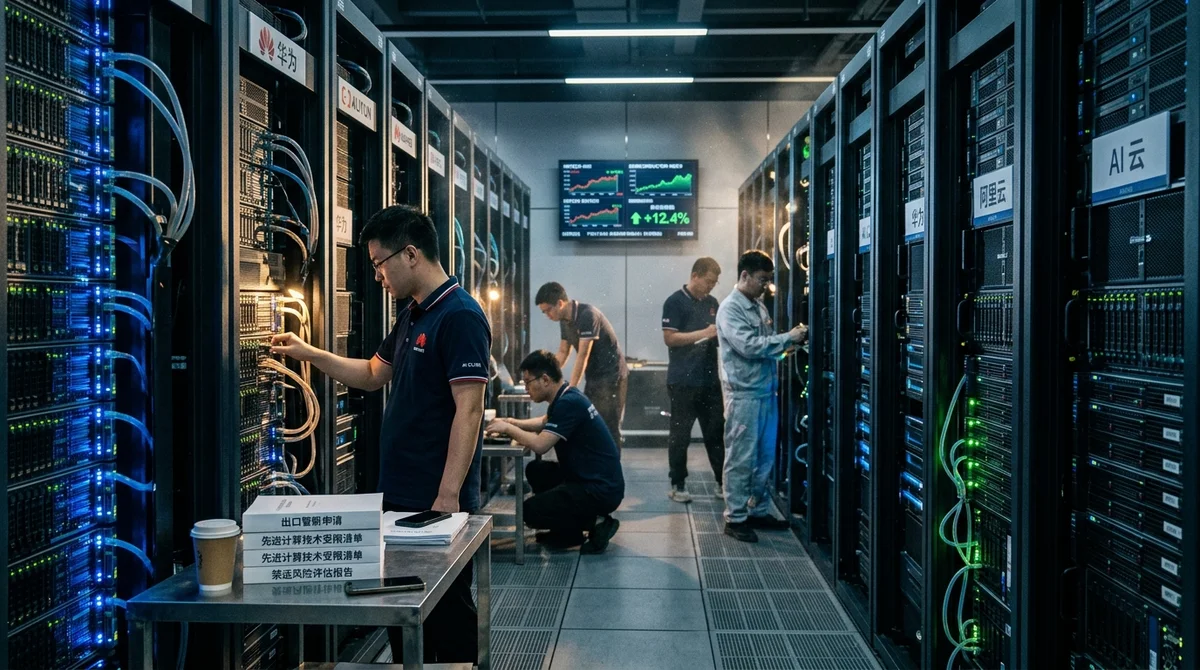
Nvidia B300
Price Surge in China Amid Export Restrictions and Soaring Demand
China's market for Nvidia B300 servers has seen dramatic price increases, with costs climbing to approximately $1 million per unit. This surge reflects intense supply constraints and geopolitical pressures stemming from U.S. export controls targeting Chinese AI development.
The Price Dynamics
According to recent reports from Chinese tech communities, B300 servers—which are among Nvidia's most advanced processors for AI workloads—are being resold on secondary markets at inflated prices. This represents a significant markup over official retail pricing, driven by scarcity and urgency among Chinese organizations seeking to secure GPU capacity before further restrictions take effect.
The elevated prices underscore the critical importance of these components for China's AI infrastructure. Companies and research institutions are willing to pay premium prices to maintain their competitive edge in machine learning and artificial intelligence development.
Geopolitical Context
These price movements occur against a backdrop of escalating U.S. export controls designed to limit Chinese access to advanced semiconductor technology. The restrictions aim to slow China's progress in AI capability development, creating artificial scarcity that pushes prices upward.
The Chinese government has responded by investing heavily in domestic chip manufacturing and providing subsidies to companies purchasing high-performance servers. This support reflects the strategic importance of AI infrastructure to China's technological ambitions and economic competitiveness.
Price as an Indicator
The B300 server's price surge serves as a barometer of broader market dynamics. When a single piece of equipment commands such premium valuations, it signals fundamental imbalances between supply and demand. For China specifically, it reflects the critical bottleneck in accessing advanced computing resources necessary for AI development.
The government backing and subsidies further amplify these prices by increasing purchasing power among eligible buyers. What emerges is a market where price reflects not just scarcity but also geopolitical constraint and strategic national importance.
Market Implications
For the broader AI infrastructure market, these developments carry important implications. High B300 prices in China may accelerate investments in alternative solutions—whether through domestic chip development, purchasing competing products from non-U.S. vendors, or architectural approaches that reduce dependence on cutting-edge GPUs.
International chip suppliers and cloud service providers are watching these dynamics closely. The Chinese market's willingness to pay premium prices creates opportunities for alternative vendors while highlighting the competitive pressures around semiconductor access.
Strategic Competition
Ultimately, the B300's price trajectory in China reflects a fundamental reality: access to advanced computing resources has become a strategic asset in the AI era. Nations and companies are competing not just on technological innovation but on the ability to secure the physical infrastructure—the servers, GPUs, and processors—that enable that innovation.
For the entire market, this signals that the competition for GPUs and servers increasingly becomes a competition for supply channels.
Need AI working inside your business — not just in your newsfeed?
I build production AI for companies — custom CRM, internal tools, autonomous agents, workflow automation. Owned by you, shaped to your process, no per-seat tax. Built by Zhemal Khamidun, CPO of AlpinaGPT (AI platform, 6,000+ users).
The AI world, distilled — once a week
Seven stories that actually mattered, hand-picked. No noise, no reposts, no press releases.
Done! Check your inbox for a confirmation.