OpenAI Buys Tech Show TBPN, Its First Media Deal
OpenAI has bought its first media asset: TBPN, a daily tech show popular with Silicon Valley founders and investors. The project will join the company's strategy organization and report to Chris Lehane, while the team has been promised editorial independence. The show draws about 70,000 views per episode, employs 11 people and generates advertising revenue that could exceed $30 million this year.
AI-processed from TNW; edited by Hamidun News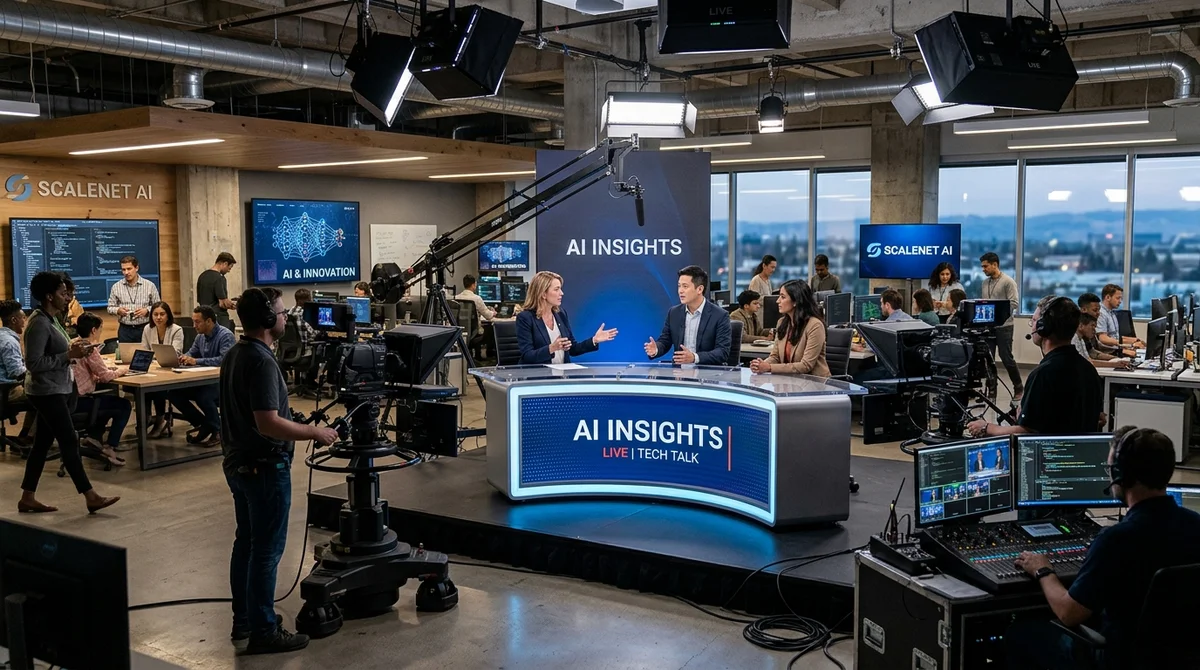
OpenAI has taken its first step into media by buying TBPN, the Technology Business Programming Network. In a year, the daily tech show has become one of Silicon Valley's most visible venues for conversations about startups, AI, business and defense technology. For the company, this is not just a deal for a content property. It is an attempt to embed itself in the infrastructure of tech discourse, where reputations, agendas and the market's attitude toward new products take shape.
TBPN was launched in March 2025 by former startup founders John Coogan and Jordi Hays. The show airs daily on YouTube and X, usually runs about three hours, and targets an audience that already lives inside the tech industry: founders, investors, executives and market operators. In a relatively short time, the project has gained a near-cult status in the Valley. Each episode averages about 70,000 views across platforms, and guests have included Mark Zuckerberg, Satya Nadella and Sam Altman himself. For a niche B2B media outlet, that is a very strong signal: TBPN has become not just a channel but a place where the people who steer the industry show up.
After the deal, TBPN will join OpenAI's strategy organization and report to Chris Lehane, head of global affairs. The parties have not disclosed the financial terms. OpenAI separately stresses that the project will keep its editorial independence: the team will continue to choose its guests and make editorial decisions on its own.
Inside the company, Fidji Simo, CEO of Applications, informed employees of the purchase. In an internal memo, she called TBPN one of the venues where the conversation about AI and the people building products really happens every day. Altman, who has appeared on the show several times, publicly called TBPN his favorite tech show and added that he does not expect the team to go easier on OpenAI after the deal.
TBPN already has a business that looks more serious than those of many fast-growing media startups. In 2025 the show brought in about $5 million in advertising revenue, and in 2026 that could exceed $30 million. Its sponsors include Ramp, Plaid, Google's Gemini division and the New York Stock Exchange. The team has 11 people, and the project is already profitable, according to the company itself. That matters: OpenAI is not buying an experimental media asset for the sake of image, but a working business with an audience, advertisers and a clear position in the market. That is why the promise of editorial independence immediately became the central topic of discussion.
For an AI lab, buying a media outlet is an unusual move, and in TBPN's case the question is sharper because before the deal the show regularly covered both OpenAI and its competitors. Now the subject of coverage and its owner sit inside the same structure. Lehane also draws attention: he previously worked as a senior strategist in Bill Clinton's administration and is known as someone skilled at managing the public agenda and press relations. Against this backdrop, any assurances of an independent editorial firewall will be tested not by words but by practice: whom the show invites, which topics it raises, and how hard TBPN can be on its new owner.
For the market, the deal means that the contest around AI is less and less limited to models, APIs and compute. OpenAI clearly wants a presence not only in building technology but also in the channels where the industry's elite discusses what counts as important, promising and trustworthy. If TBPN really keeps an independent voice, OpenAI gets a rare asset at the intersection of media, community and influence. If not, the market will quickly stop seeing the show as a place for honest conversation, and a significant part of its value will disappear along with the trust.
*Meta has been designated an extremist organization and is banned in Russia.
- Nov 2, 2026Meta's Muse assistant keeps dossiers on loved ones and gets root on Ubuntu by default
- Nov 1, 2026Local models lose to Opus and Codex: 0.21 on a MacBook versus 1.00 for Codex
- Nov 1, 2026Kimi scores 96.2% on a 1C database analytics test and emerges as a fallback if Claude access is blocked
- Nov 1, 2026OpenAI Rewrites GPT Behavior Rules: Five Values and a Chain of Command
Test Frontier LLMs & Autonomous Agents in One Workspace
Run Claude Opus 5.5, GPT-6, Gemini 3.1, and DeepSeek side-by-side in Nomad AI (nomadnet.ai) — unified model routing, deep research, and multimodal workflows under one subscription.
The AI world, distilled — once a week
Seven stories that actually mattered, hand-picked. No noise, no reposts, no press releases.
Done! Check your inbox for a confirmation.