Meta prepares third-generation Ray-Ban smart glasses as FCC lists two new devices
Meta and EssilorLuxottica have filed applications with the US regulator FCC for two new devices in the Ray-Ban AI smart glasses lineup. The filings describe the gadgets as production units, not prototypes. When the second generation launched in 2023, similar filings appeared about a month before the announcement. History appears to be repeating itself. *Meta is designated an extremist organization and banned in Russia.
AI-processed from The Verge; edited by Hamidun News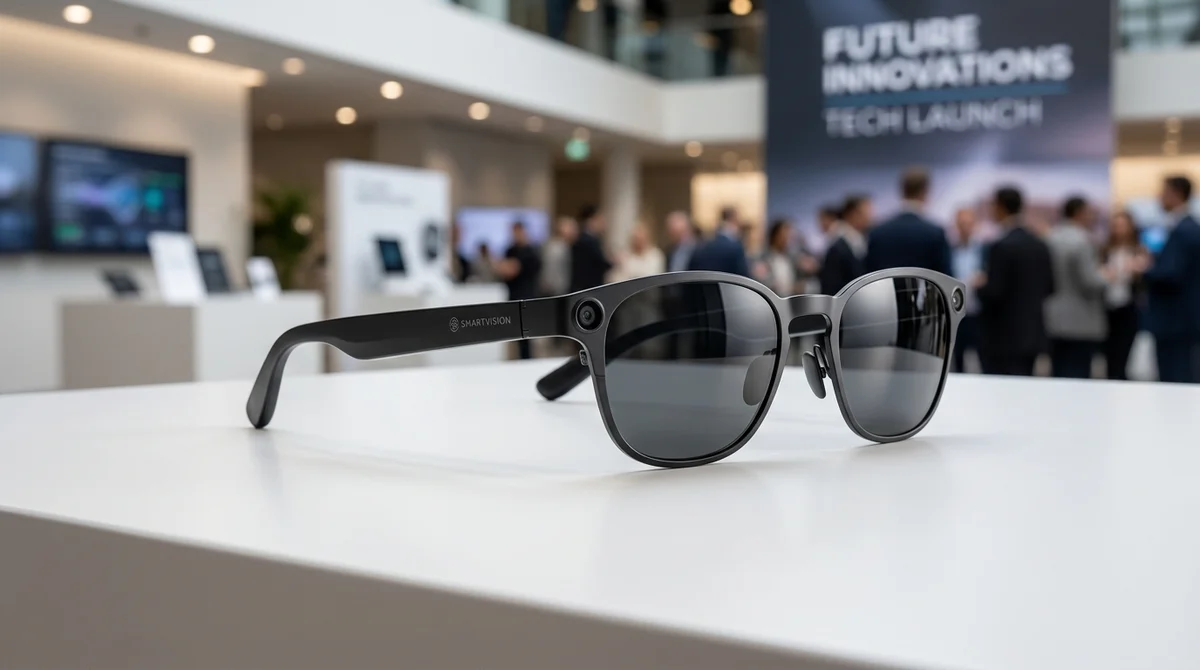
Meta and its eyewear manufacturing partner EssilorLuxottica are preparing to release the next generation of Ray-Ban smart glasses with built-in AI. The main evidence is two new FCC registration numbers for devices, which the US regulator published in early April 2026. Both filings describe the tested samples as production units, a detail that matters a great deal for estimating when the product will ship.
The US Federal Communications Commission (FCC) requires every wireless device to be registered before it reaches the American market. Manufacturers typically file at the final stage of development, once a device has passed all internal testing and is ready for production. The key detail in these filings: the samples are explicitly labeled as production units, not engineering prototypes or pre-production versions.
That means manufacturing has effectively started or is about to. In consumer electronics, this wording almost always precedes a public announcement within a few weeks. Historical precedent supports this reading.
The second-generation Ray-Ban Smart Glasses went on sale in late 2023, and similar FCC filings for those devices appeared roughly a month before the official announcement. If Meta sticks to the same go-to-market playbook, a third-generation announcement could come as soon as this summer. Neither sources inside the company nor official Meta representatives have confirmed or denied this timeline, but the paper trail speaks for itself.
Ray-Ban Meta smart glasses are one of the few consumer AI wearables that have genuinely broken into the mass market. The second-generation devices can take photos and video, livestream to Instagram, play music through built-in open-ear speakers, and, most importantly for Meta's AI strategy, work with the Meta AI voice assistant. The assistant processes visual input from the camera, letting users ask questions about what's in front of them and get spoken answers without touching a screen.
In 2024, this feature became the main selling point for people who had no interest in bulky AR headsets but were open to unobtrusive AI in everyday life. Meta has repeatedly called smart glasses a flagship part of its hardware strategy and reported steady sales growth throughout 2024. Technical details about the third generation are almost nonexistent.
The FCC registrations cover wireless modules and emission parameters, but they reveal nothing about the new models' design, feature set, or pricing. Two separate registration numbers point to two models, likely with different frames or at different price points, much as Meta has previously offered design variations within a single generation. Competition in AI smart glasses has heated up noticeably.
Google has announced its return to the category together with Samsung, Snap keeps developing its Spectacles platform, and several Asian brands are bringing cheaper alternatives to market. Even so, Meta retains a structural advantage: the Ray-Ban brand with its long history and huge loyal following, EssilorLuxottica's manufacturing scale, and an established user base of people who bought the second generation and got used to the device. If the announcement follows the familiar pattern, the third-generation Ray-Ban AI glasses are positioned to be one of the key wearable gadgets of 2026.
*Meta is designated an extremist organization and banned in Russia.
- Nov 1, 2026MoneyGate safety layer blocked all 42 fraudulent requests to local AI models
- Oct 31, 2026Open-source LLM gateway KTMS 1.0 plugs your own GPUs into the cloud and survives outages
- Oct 31, 202622B-Parameter LTX-2.5 Runs on a 10 GB RTX 3080, but Takes 5 Minutes per Shot
- Oct 29, 2026T-Tech Introduces LIMe, a Method That Trains Language Models With 15% Less Compute
Test Frontier LLMs & Autonomous Agents in One Workspace
Run Claude Opus 5.5, GPT-6, Gemini 3.1, and DeepSeek side-by-side in Nomad AI (nomadnet.ai) — unified model routing, deep research, and multimodal workflows under one subscription.
The AI world, distilled — once a week
Seven stories that actually mattered, hand-picked. No noise, no reposts, no press releases.
Done! Check your inbox for a confirmation.