AI Documentary: CEOs in the Hot Seat, but the Filmmakers Let Them Off Easy
The documentary "The AI Doc: Or How I Became an Apocaloptimist" set out to be a measured look at the AI revolution. The filmmakers interview the CEOs of the biggest AI companies, including OpenAI’s Sam Altman. But critics at Wired say the film is too soft. Sharp questions about risks, job losses, and concentration of power are raised — but without real pressure. The pursuit of balance turned into a concession to those with more power.
AI-processed from Wired; edited by Hamidun News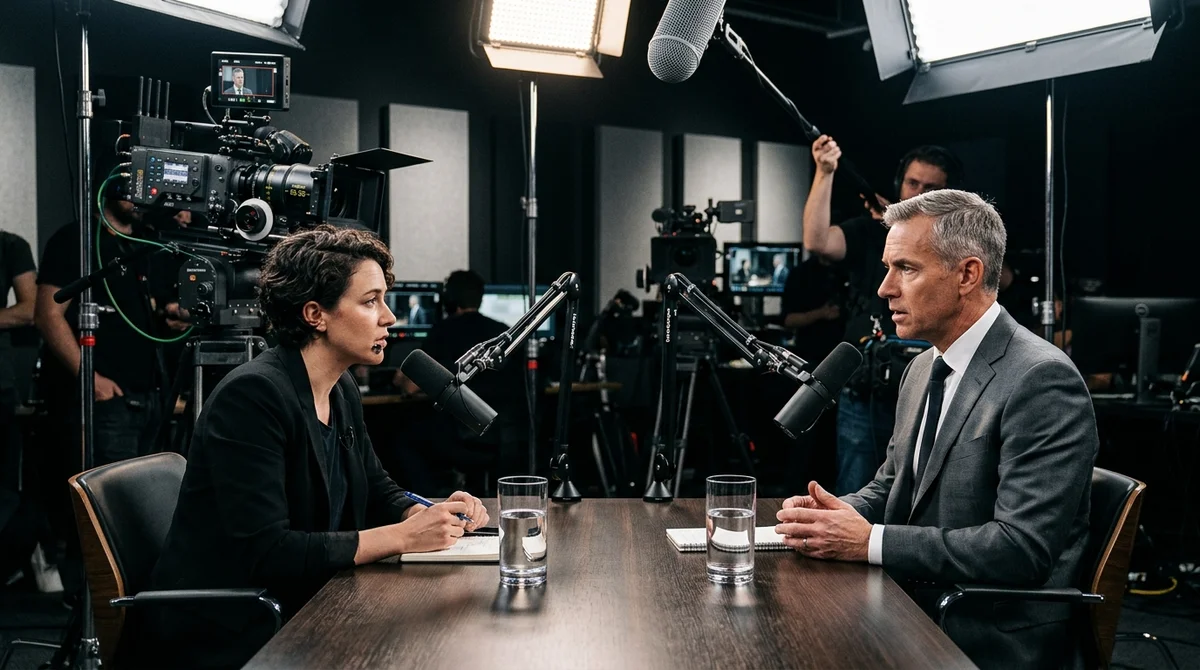
New documentary "The AI Doc: Or How I Became an Apocaloptimist" was released in an attempt to find a balanced perspective on one of the hottest technological discussions of our time. Wired magazine published a review that praises the authors for their intentions — but criticizes them for the result: leaders of the largest AI companies, including OpenAI CEO Sam Altman, leave the screen practically without any real challenge to their positions. The film's title itself sets the tone: "apocaloptimist" is a person who recognizes risks but remains optimistic.
The authors wanted to occupy the middle ground between alarmism and unbridled hype. The idea is reasonable: most people really do find themselves somewhere in the middle, being neither Luddites nor technological evangelists. The question is whether it's possible to make an honest documentary from such a position — or whether "the middle" inevitably becomes a concession to those with more power and resources.
The film is built around interviews with key industry figures. Critics note that the authors gained rare access to these people — and used it too cautiously. Sharp questions about real consequences — job loss, concentration of power, system safety — are raised, but don't receive sufficient pressure.
This is particularly noticeable against the backdrop of what's at stake now: AI companies have attracted hundreds of billions of dollars in investment, their models are embedded in the workflows of millions of people, and regulators around the world are trying to develop rules — often belatedly. The Wired review highlights several specific criticisms. First, the lack of real-time fact-checking: when a speaker makes a statement, the authors don't challenge it or offer counterarguments.
Second, insufficient attention to people already harmed by AI — workers in creative industries, journalists, translators. Third, a tendency toward beautiful imagery rather than uncomfortable details. As a result, the film gives the impression of a carefully staged tour of the industry, rather than independent journalistic investigation.
Nevertheless, critics don't call "The AI Doc" a failure. For viewers just beginning to understand the topic, the film can serve as a useful starting point: it explains basic concepts, introduces key players, and outlines the main lines of discussion. The problem is different: the time of public conversation about AI is too valuable to spend on material that offers comfort where discomfort is needed.
Apocaloptimism as a personal philosophy is quite a viable position. But documentary journalism is not obliged to seek peace of mind — it is obliged to ask uncomfortable questions of those who have the power and money to shape the future. Until that happens, any film about AI risks becoming part of the PR machine it is trying to analyze.
Want to stop reading about AI and start using it?
AI News is a curated feed of AI/tech news. Hamidun Academy teaches you to use AI systematically in your work.
The AI world, distilled — once a week
Seven stories that actually mattered, hand-picked. No noise, no reposts, no press releases.
Done! Check your inbox for a confirmation.