OpenAI buys startup Hiro to build financial planning into ChatGPT
OpenAI has bought Hiro, an AI-based personal financial planning startup. The deal suggests ChatGPT will soon gain financial advisor features: spending analysis, budgeting and savings planning. The acquisition fits OpenAI's strategy of turning ChatGPT from a chatbot into a universal assistant for everyday tasks, now including financial ones.
AI-processed from TechCrunch; edited by Hamidun News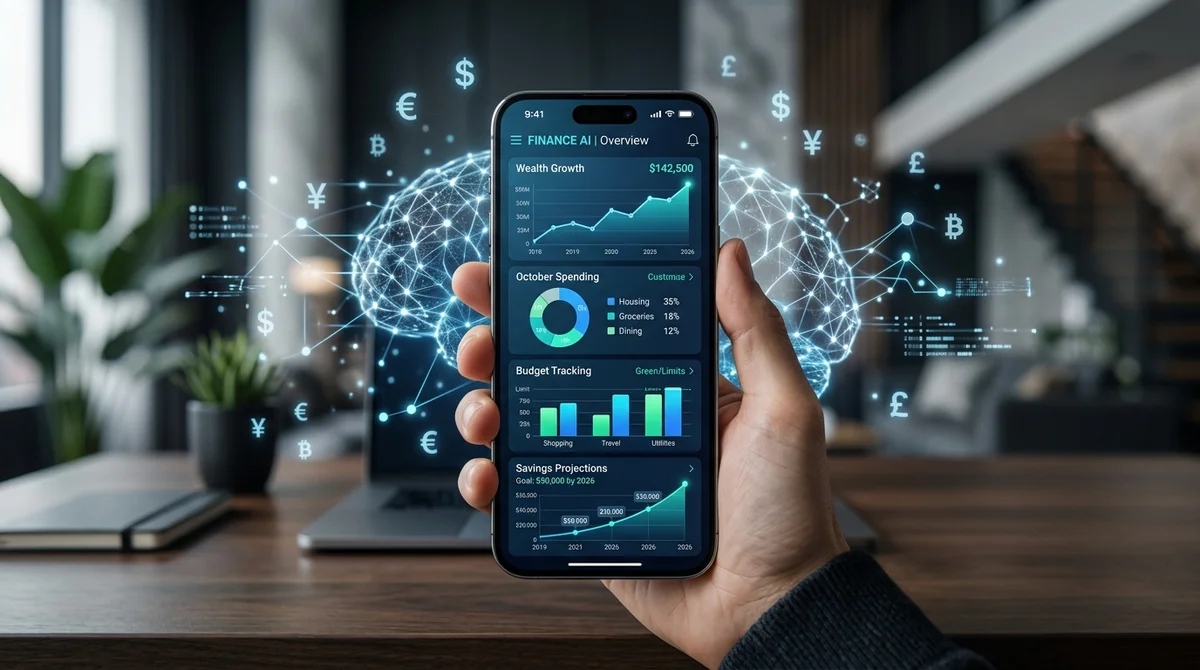
OpenAI has acquired Hiro, a startup in AI-powered personal financial planning. The deal signals that the company is deliberately building financial tools directly into ChatGPT, extending the platform far beyond a text assistant.
Hiro specialized in helping users manage personal finances: analyzing spending, setting financial goals and drawing up personal budget plans. The startup bet on a conversational interface: users described their financial goals in plain language, and the AI proposed concrete steps. Unlike traditional apps such as Mint or YNAB, Hiro did not require manual entry of data and categories: the model built a financial profile from the conversation itself.
For OpenAI, this continues a consistent acquisition strategy. Over the past two years the company has bought Rockset (real-time data analytics), Multi (collaboration) and a number of other startups. Each deal filled a specific gap, where ChatGPT lagged behind or was simply absent as a tool.
The market for personal finance AI is showing steady growth. According to analysts, the segment will exceed $26 billion by 2028. Startups Cleo, Albert and Copilot Finance have already raised hundreds of millions of dollars in investment as they try to claim the AI financial advisor niche. Large banks, including JPMorgan, Bank of America and Goldman Sachs, are also investing actively in their own AI tools for customers.
Hiro's integration into ChatGPT could take several forms. The first is a built-in financial assistant with access to banking data through Open Banking APIs: the user connects an account and gets spending analysis right in the chat. The second is planning tools: budgeting, retirement savings, debt management and tax strategies. The third is personalized recommendations based on a financial profile that the user builds in conversation.
The move also carries potential risks. Financial data is among the most sensitive there is, and users have traditionally been cautious about handing account information to third parties. OpenAI will have to convince its audience that financial AI is safe, especially amid ongoing debates about privacy. Regulators in the US and EU are already examining how AI companies handle citizens' financial information.
The deal's details, including the price and the specific timeline for integration, have not been disclosed. This is standard practice for acquisitions of this size: OpenAI does not comment on the financial terms of small purchases.
The Hiro purchase is another confirmation of OpenAI's strategy for 2025–2026: turning ChatGPT from a text bot into a universal assistant for everyday tasks. Search, documents, code, images, and now financial planning. The company that first becomes a trusted AI advisor for personal finances for hundreds of millions of people will gain a lasting competitive advantage and data that will make all its other services smarter.
- Nov 2, 2026Meta's Muse assistant keeps dossiers on loved ones and gets root on Ubuntu by default
- Nov 1, 2026Local models lose to Opus and Codex: 0.21 on a MacBook versus 1.00 for Codex
- Nov 1, 2026Kimi scores 96.2% on a 1C database analytics test and emerges as a fallback if Claude access is blocked
- Nov 1, 2026OpenAI Rewrites GPT Behavior Rules: Five Values and a Chain of Command
Test Frontier LLMs & Autonomous Agents in One Workspace
Run Claude Opus 5.5, GPT-6, Gemini 3.1, and DeepSeek side-by-side in Nomad AI (nomadnet.ai) — unified model routing, deep research, and multimodal workflows under one subscription.
The AI world, distilled — once a week
Seven stories that actually mattered, hand-picked. No noise, no reposts, no press releases.
Done! Check your inbox for a confirmation.