The “AI Is Inevitable” Trap: Have We Reached Peak Hype Around Artificial Intelligence
Sneaker maker Allbirds declared itself an AI company and briefly saw its market capitalization rise sevenfold. Against that backdrop, The Vergecast asks: are we already at peak AI hype? A Stanford study says the technology keeps improving — but something in the air has clearly changed.
AI-processed from The Verge; edited by Hamidun News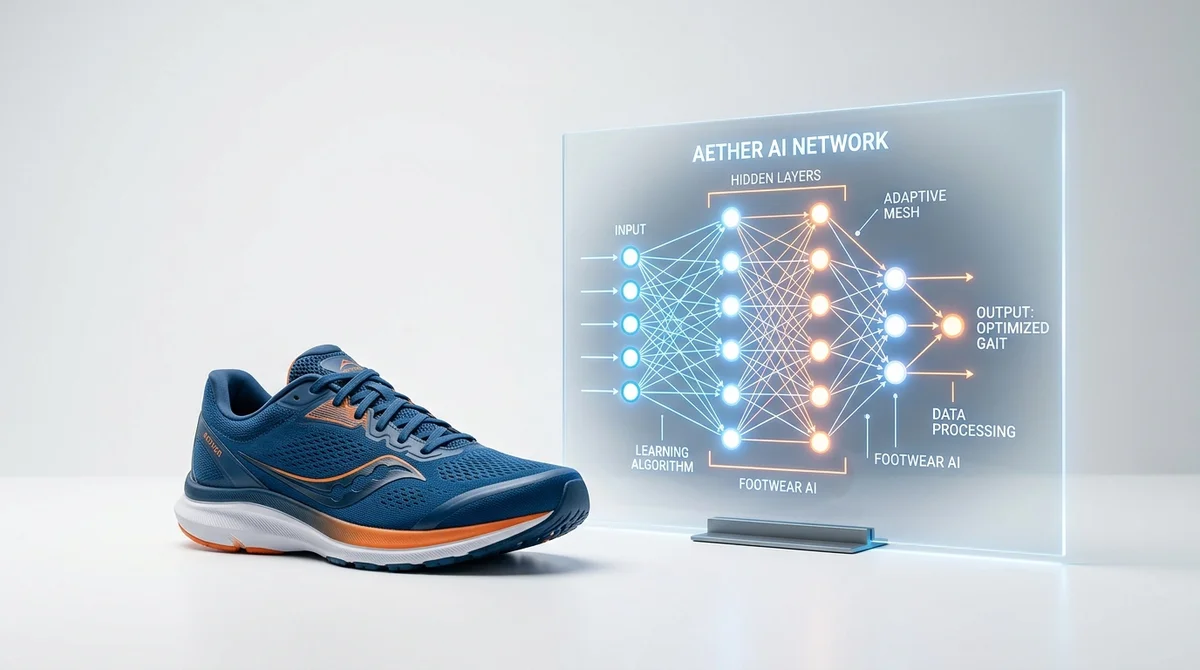
The shoe manufacturer Allbirds declared itself an AI company and its valuation grew nearly sevenfold in a single day. This is not a joke — and it's exactly these kinds of stories that signal we may have reached the peak of AI season, if not the peak of the entire wave. The story of Allbirds, which renamed itself to Newbird AI, became the occasion for a major discussion in the latest episode of The Vergecast podcast.
Journalists David Pierce and Nilay Patel decided to figure out: what's happening right now — a real technological shift or an inflated bubble? They set out to compare cold data and general "vibes" around the industry. On one hand — Stanford AI Index 2026, a major annual study from Stanford University.
The report's authors note that AI continues to improve across a broad spectrum of tasks: from coding and medical diagnosis to image generation and language work. Progress on key benchmarks doesn't stop, and in a number of areas it's accelerating. This is not hype — these are measurable results.
On the other hand — a story about a company selling sneakers that simply added the word "AI" to its name and got a market frenzy. This is classic "AI washing": when a real business covers itself with a trendy label to attract investors. A sevenfold increase in value in a day without any technological changes — a troubling signal about market conditions.
These two phenomena exist simultaneously and don't contradict each other. AI really is getting better. And AI hype really has turned into something resembling the dot-com bubble in its early stages — with the difference that there's real technology underneath it.
The question is how much market valuations correspond to actual value. The podcast also touches on a broader narrative trap: "AI is inevitable." When technology is declared inevitable, any criticism is perceived as Luddism, any concerns — as fear of progress.
This is a convenient position for those who profit from it, but dangerous — for those making regulatory or investment decisions. What does all this mean in practice: a moment when a shoe manufacturer changes its name to an AI company and it works — this is not a sign of the technology's strength. It's a sign that the market has temporarily turned off critical thinking.
The Stanford Index reminds us: progress is real. But the reality of progress doesn't mean that every company with an AI prefix is worth its valuation.
Need AI working inside your business — not just in your newsfeed?
I build production AI for companies — custom CRM, internal tools, autonomous agents, workflow automation. Owned by you, shaped to your process, no per-seat tax. Built by Zhemal Khamidun, CPO of AlpinaGPT (AI platform, 6,000+ users).
The AI world, distilled — once a week
Seven stories that actually mattered, hand-picked. No noise, no reposts, no press releases.
Done! Check your inbox for a confirmation.