City Detect raises $13 million for AI that keeps cities clean and safe
Startup City Detect has raised $13 million in a Series A round. The company is building an AI platform that helps municipalities monitor the cleanliness and safety of the urban environment. The system uses computer vision to spot signs of urban decay, from illegal dumps to crumbling infrastructure. The technology is currently deployed in at least 17 US cities, including Dallas and Miami. The funds will go toward scaling the platform and entering new markets.
AI-processed from TechCrunch; edited by Hamidun News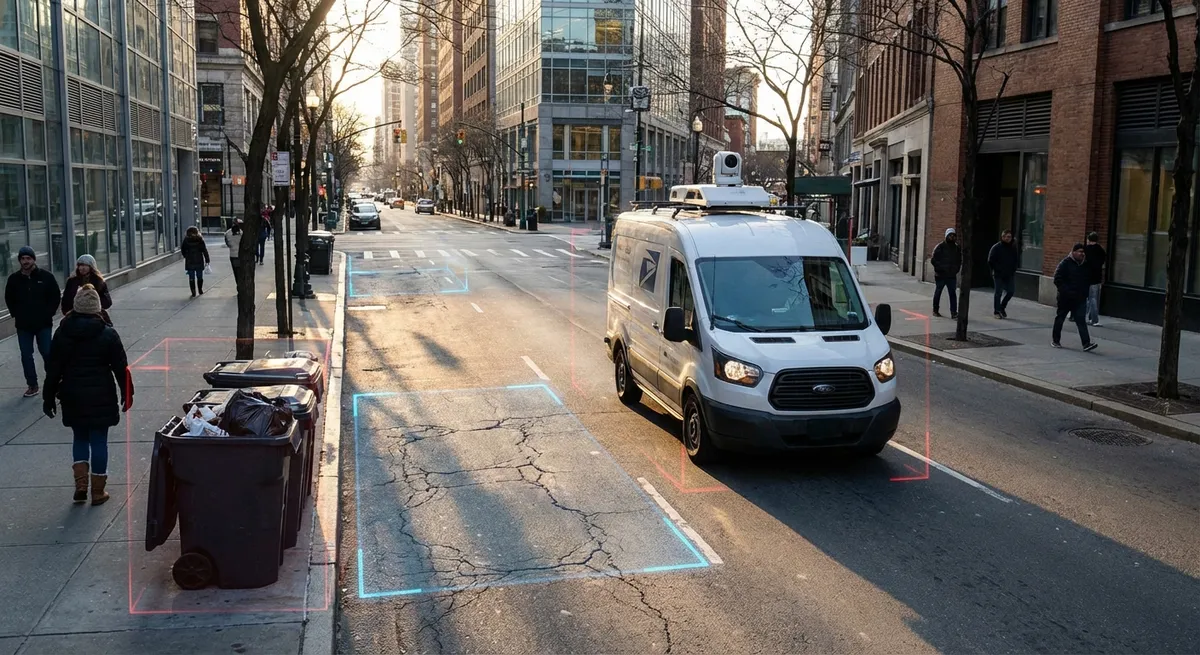
Thirteen million dollars: that is how much investors are willing to wager that artificial intelligence can make cities cleaner and safer. Startup City Detect has closed a Series A round and plans to scale its platform, which already operates in seventeen US cities and helps local authorities fight what urbanists call urban decay.
Urban decay is not an abstract threat but a very concrete chain of deterioration. A broken window that nobody fixes turns into an abandoned building. An illegal dump on a vacant lot attracts more trash. A dead streetlight makes a street dangerous. For decades, municipalities have relied on resident complaints and scheduled inspections, but this approach is reactive by definition: a problem gets noticed only after it has grown too big to ignore. City Detect proposes a fundamentally different model: proactive detection of problems at an early stage using computer vision and machine learning.
Technically, City Detect's platform works like this: cameras mounted on municipal vehicles or city infrastructure continuously scan the streets. Computer vision algorithms analyze the incoming images and automatically detect anomalies, from potholes and graffiti to overflowing trash bins and damaged road signs. The system ranks problems by severity, geolocates them and passes the data to municipal services in a format ready for decision-making. In essence, these are the city's digital eyes, which never tire and never miss a shift.
Dallas and Miami, the company's two most prominent clients, are telling case studies. Both cities face the typical problems of fast-growing metropolises in the American South: rapid expansion of city limits against limited municipal resources. When a city grows faster than its ability to maintain itself, technology solutions become a necessity rather than a luxury. The fact that City Detect is already present in seventeen cities points to real demand from municipalities, which are traditionally regarded as some of the most conservative customers in the tech sector.
A $13 million round for a govtech startup is a significant sum, though not a record. The urban technology market is going through quiet but steady growth. According to various analyst firms, the global smart city market may exceed $1 trillion by 2030. However, unlike consumer AI products, where speed of audience capture decides everything, the key barrier in govtech is trust. Municipalities make decisions slowly, demand lengthy pilot projects and are sensitive about privacy. Any AI-assisted video surveillance system inevitably raises questions about spying on citizens, and City Detect will have to keep balancing effectiveness against ethics.
The privacy question is not idle here. Cameras that record potholes and trash are technically capable of recording people too. How exactly City Detect handles this, whether it anonymizes data on the device, stores the video stream or works only with metadata, is a question whose answer will determine not only the company's reputation but the prospects of the whole segment. European experience shows that public resistance to AI surveillance in cities can be quite serious, and American cities, especially those with progressive city councils, are not immune to similar debates either.
City Detect's experience is particularly interesting for the Russian context. Russian cities have long experimented with smart technologies, from Moscow's video analytics system to "Safe City" projects in the regions. However, most of these initiatives focus on security in the narrow sense: facial recognition and law enforcement. The idea of using AI for everyday monitoring of the urban environment, including street cleanliness, infrastructure integrity and timely utility maintenance, has been implemented much less. Yet the quality of the urban environment directly affects residents' satisfaction and, as a result, the economic appeal of an area.
Thirteen million dollars is a bet that the future of city management belongs to algorithms rather than paper complaints. If City Detect can demonstrate a measurable economic effect, such as lower repair costs through early detection, fewer resident reports and more efficient municipal crews, the company could become a standard for municipalities worldwide. Cities, after all, were built for millennia without artificial intelligence. But keeping them in order without it seems to be getting harder.
- Nov 2, 2026Karpathy builds a YouTube clone with 6454 videos from Hacker News recommendations in two hours
- Nov 2, 2026Karpathy used Claude to build HackerTube from 6,454 videos recommended on Hacker News
- Nov 2, 2026The Verge reviewer builds a $50 Meta Muse Charm alternative with Claude Code
- Nov 2, 20268 Skills for video in Claude Code: from 244 pixel effects to rough-cut editing
Ship AI Faster with Founders, Engineers & Weekly Architecture Reviews
Inside Vibe Club (hamidun.com/club) — weekly live masterminds with Zhemal Khamidun, Tech Radar, full LMS access, and 370+ production Claude Code skills.
The AI world, distilled — once a week
Seven stories that actually mattered, hand-picked. No noise, no reposts, no press releases.
Done! Check your inbox for a confirmation.