Russia Plans a Microelectronics Giant Backed by 1 Trillion Rubles
The Russian government and the Ministry of Industry and Trade have announced a "United Microelectronics Company" with a budget of 1 trillion rubles through 2030. The money will go toward building fabs and the infrastructure for full-cycle microchip production. Sberbank will contribute 250 billion rubles.
AI-processed from CNews AI; edited by Hamidun News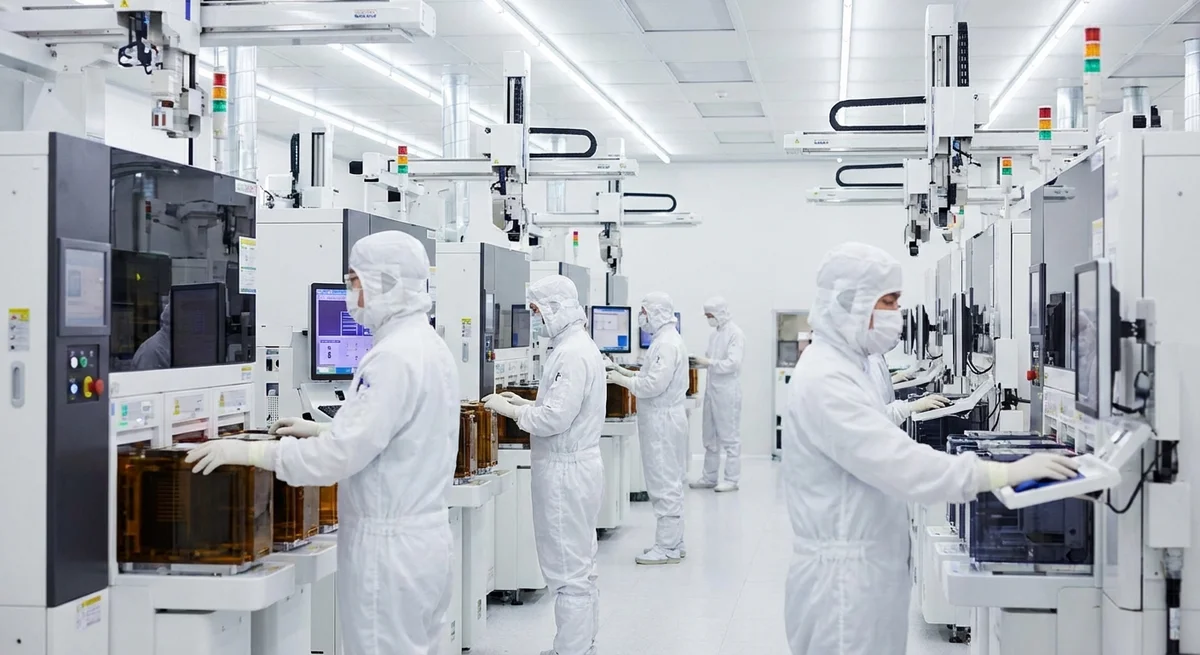
Russia's microelectronics industry is preparing for a major overhaul. The government and the Ministry of Industry and Trade have announced the creation of the "United Microelectronics Company" (OMK), meant to become the flagship of domestic chipmaking. The project, valued at a huge 1 trillion rubles through 2030, sets an ambitious goal: securing Russia's technological sovereignty in a critically important sector.
The decision to create OMK responds to rising geopolitical tension and sanctions pressure, which limit Russian companies' access to advanced technologies and components. With global supply chains disrupted and dependence on foreign manufacturers becoming unacceptable, building a domestic microelectronics base has taken on strategic importance. Investment in OMK is expected to catalyze import substitution and the creation of competitive domestic products.
According to the plan, most of the trillion-ruble budget will go toward building modern full-cycle chip factories. That means the company will be able to handle every stage, from design to final assembly of finished products. Particular attention will go to training qualified personnel, since new facilities cannot run efficiently without experienced engineers and technicians. Sberbank, one of the project's key partners, will provide 250 billion rubles for OMK's development.
OMK is not just an investment in new factories; it is an investment in the future of the Russian economy. Developing microelectronics will make it possible to build innovative products and solutions in fields ranging from industry and transport to medicine and education. Domestic chips will be in demand in control systems, telecommunications equipment, automotive electronics and many other areas. In turn, this will create new jobs, raise the competitiveness of Russian products and strengthen the country's economic security.
However, delivering a project of this scale involves a number of challenges. Investments must be managed effectively, and corruption and misuse of funds must be avoided. It is important to create favorable conditions for attracting talented specialists and encouraging innovation. In addition, OMK will need to build close cooperation with research organizations and other companies in the microelectronics sector.
OMK's success will depend largely on how effectively it can compete with the world's leading chipmakers. That requires not only mastering advanced technologies but also developing unique products of its own. The company must take market requirements into account and offer products that meet the needs of Russian consumers. Only then can OMK become a true leader of domestic microelectronics.
In conclusion, the creation of the "United Microelectronics Company" is an important step toward Russia's technological sovereignty. If the project succeeds, it will strengthen the country's economic security, create new jobs and raise the competitiveness of Russian products on the global market.
Ship AI Faster with Founders, Engineers & Weekly Architecture Reviews
Inside Vibe Club (hamidun.com/club) — weekly live masterminds with Zhemal Khamidun, Tech Radar, full LMS access, and 370+ production Claude Code skills.
The AI world, distilled — once a week
Seven stories that actually mattered, hand-picked. No noise, no reposts, no press releases.
Done! Check your inbox for a confirmation.