Microsoft takes on AI deception with a new content verification plan
Microsoft is building a new system to verify the authenticity of content online as it tries to counter a growing wave of deepfakes and AI-generated images. The goal is to give users tools to determine whether an image or video is real or was created by artificial intelligence. The initiative aims to rebuild trust in online information and fight disinformation, which is spreading ever more aggressively across the web.
AI-processed from MIT Technology Review; edited by Hamidun News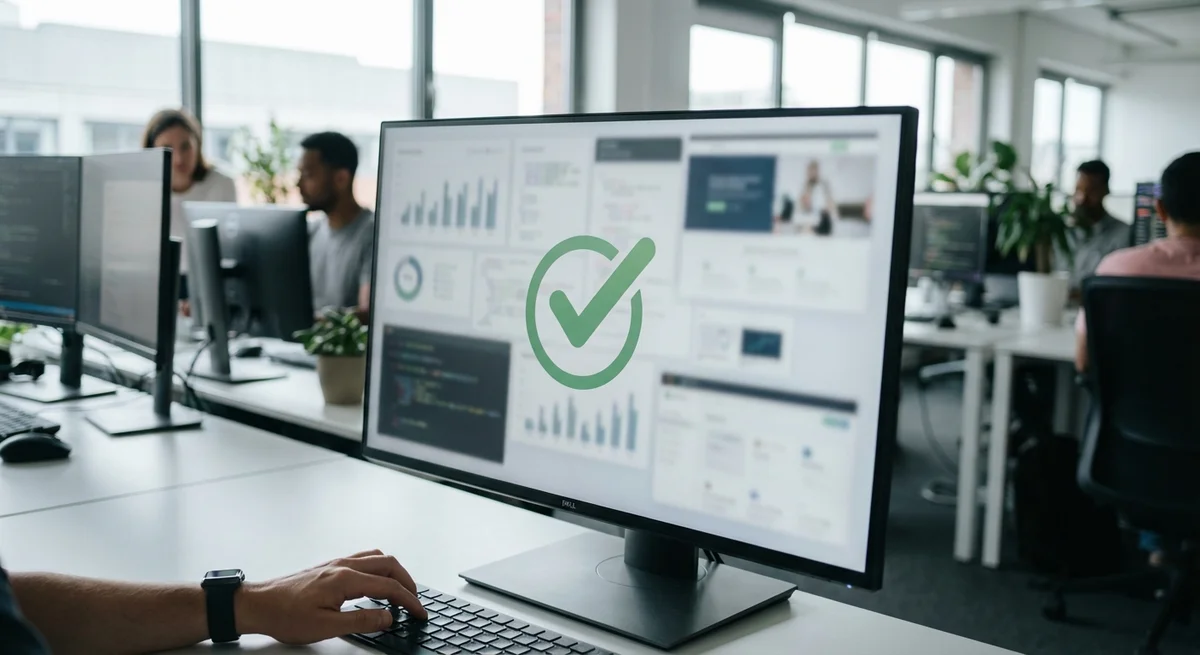
A world where any photo could be fake and any video a digital mirage is no longer dystopian fiction. It is the reality of 2026. Microsoft plans to respond with a content verification system designed to help users separate authentic material from content created or altered with artificial intelligence. The stakes are high: trust in online information has eroded so badly that tech companies can no longer stay on the sidelines.
The problem is growing fast, and often out of sight. Some deceptions are blatant. White House officials, for example, circulated an edited image of a protester in Minnesota and then openly mocked those who asked awkward questions about it. Other manipulations slip quietly into social media feeds and rack up millions of views before anyone thinks to question them. Generative AI has lowered the bar for convincing deepfakes to the point where anyone with a laptop and basic software skills can make one. What took a studio and a team of specialists just five years ago now takes a few seconds.
Microsoft isn't the first company to tackle this. The industry's Coalition for Content Provenance and Authenticity, known as C2PA, has brought together major players including Adobe, Google, Sony, and a number of media organizations around a single standard for digitally signing media files. The idea is simple: every image or video gets a cryptographically secured "passport" that records how it was created, edited, and published. Microsoft is an active member of the consortium, but it is now going a step further by building verification directly into the products and services used by hundreds of millions of people.
The core idea is to turn content authentication from an expert procedure into a routine part of consuming information. When users come across an image or video, they should be able to see instantly where and when it was created, whether it was edited, and with which tools. If a file was generated by a neural network, that should be clearly labeled too. Microsoft plans to build these indicators into its search and media services so that provenance metadata becomes as ordinary as a publication timestamp or a byline.
Under the hood, the system relies on cryptographic signatures embedded in a file at the moment it is captured or created. Cameras and apps that support the standard automatically attach a certificate with provenance information to each shot. Any later edits are recorded in the metadata chain as well. The catch is that this only works where the standard has already been adopted. Older unsigned photos, files that have passed through third-party services, and images captured on hardware without C2PA support will remain "invisible" to the verification system. That doesn't make the initiative useless, but it significantly limits its reach in the early stages.
For the industry, the move goes well beyond a technical standard. Microsoft is effectively casting itself as an arbiter of trust, a position that brings both opportunities and reputational risk. If the system fails, wrongly certifying a fake or rejecting a genuine file, the damage to trust in the platform could be worse than if the company had never taken on the job at all. There is also the question of who controls the trust infrastructure: concentrating that function in the hands of a few tech giants creates new risks for the independence of the media landscape.
For everyday users, something else matters more: for the first time in years, they are getting a real tool for critically evaluating content that doesn't require expertise in digital forensics. Whether the effort succeeds depends less on the technical sophistication of the algorithms than on how widely camera makers, platforms, and newsroom systems adopt the standard. No single company can solve disinformation on its own, but someone has to make the first move. Microsoft is making it.
- Nov 2, 2026Anthropic needs to grow revenue 32% a year to cover $850 billion in contracts
- Nov 2, 2026Microsoft releases 4B model Mage-VL-Cowork, which solves 66.0% of OSWorld-Verified tasks
- Nov 1, 2026Google's StreamVibe video agent beats other models by 10.7% on response timing and quality
- Oct 30, 2026Mistral opens Large 4 weights: strong at code, but Chinese models score 32 to its 26
Test Frontier LLMs & Autonomous Agents in One Workspace
Run Claude Opus 5.5, GPT-6, Gemini 3.1, and DeepSeek side-by-side in Nomad AI (nomadnet.ai) — unified model routing, deep research, and multimodal workflows under one subscription.
The AI world, distilled — once a week
Seven stories that actually mattered, hand-picked. No noise, no reposts, no press releases.
Done! Check your inbox for a confirmation.