Diffusion Models: An In-Depth Look and Where They Are Heading
Diffusion models are a class of generative models that have transformed artificial intelligence. They work by gradually adding noise to data, then training a model to recover the original data from that noise. The models deliver impressive results in image, audio and video generation, but they demand substantial computing resources and run into scaling problems.
AI-processed from Jiqizhixin (机器之心); edited by Hamidun News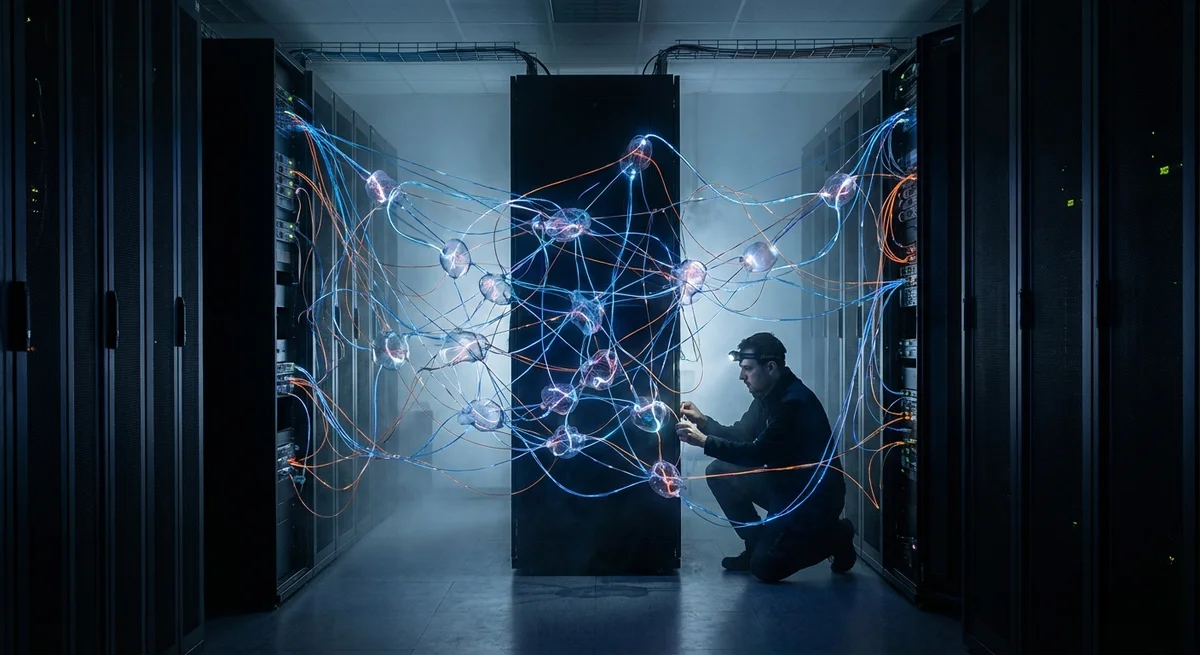
Diffusion models have become one of the most exciting areas of generative artificial intelligence in the past few years. From photorealistic images to convincing audio and video, these models show impressive capabilities. But what are diffusion models, and why do they matter so much?
At the core of diffusion models is a process of gradually adding noise to data until it turns into random noise. The model is then trained to reverse that process, recovering the original data from the noise. You can think of it as "blurring" an image until it dissolves into chaos, then teaching the model to "restore" the image from that chaos.
One of the key advantages of diffusion models is their ability to produce high-quality, diverse outputs. Unlike other generative models, such as generative adversarial networks (GANs), diffusion models tend to be more stable to train and less prone to model collapse. This means they can generate a wider range of outputs without getting stuck in repetitive or unrealistic samples.
Diffusion models also have drawbacks, however. One of the main ones is computational cost. Training and running diffusion models can require substantial computing resources, which makes them less accessible to researchers and practitioners with limited resources. In addition, diffusion models can be slower than other generative models, especially when generating large images or video.
Despite these problems, diffusion models continue to advance quickly. Researchers are exploring new ways to improve their efficiency and scalability, and are extending them to a broader range of tasks. For example, diffusion models are used to generate new drugs, build realistic simulations and even improve the quality of images and video.
The impact of diffusion models on the AI industry is huge. They open up new possibilities for creativity, automation and scientific research. As these models grow more powerful and more accessible, we can expect to see them applied in a wide variety of fields, from art and entertainment to healthcare and science.
In conclusion, diffusion models represent a significant breakthrough in generative artificial intelligence. Although they are still at an early stage of development, their potential is huge. As researchers keep refining and extending these models, we can expect to see even more impressive advances in the coming years.
- Nov 2, 2026Karpathy builds a YouTube clone with 6454 videos from Hacker News recommendations in two hours
- Nov 2, 2026Karpathy used Claude to build HackerTube from 6,454 videos recommended on Hacker News
- Nov 2, 2026The Verge reviewer builds a $50 Meta Muse Charm alternative with Claude Code
- Nov 2, 20268 Skills for video in Claude Code: from 244 pixel effects to rough-cut editing
Test Frontier LLMs & Autonomous Agents in One Workspace
Run Claude Opus 5.5, GPT-6, Gemini 3.1, and DeepSeek side-by-side in Nomad AI (nomadnet.ai) — unified model routing, deep research, and multimodal workflows under one subscription.
The AI world, distilled — once a week
Seven stories that actually mattered, hand-picked. No noise, no reposts, no press releases.
Done! Check your inbox for a confirmation.