Audio Testing in 2026: Why the Old Yardsticks No Longer Work
In 2026, headphones have finally turned from speakers into wearable AI computers. ZDNET has updated its testing protocols, acknowledging that classic frequency-response measurements no longer reflect real-world use. The focus now falls on neural processor latency, the quality of transparency algorithms, and how precisely the AI cuts out the noise of a jackhammer while leaving a conversation partner's voice untouched. This shift in focus from hardware to software is setting new rules for the entire gadget industry.
AI-processed from ZDNet AI; edited by Hamidun News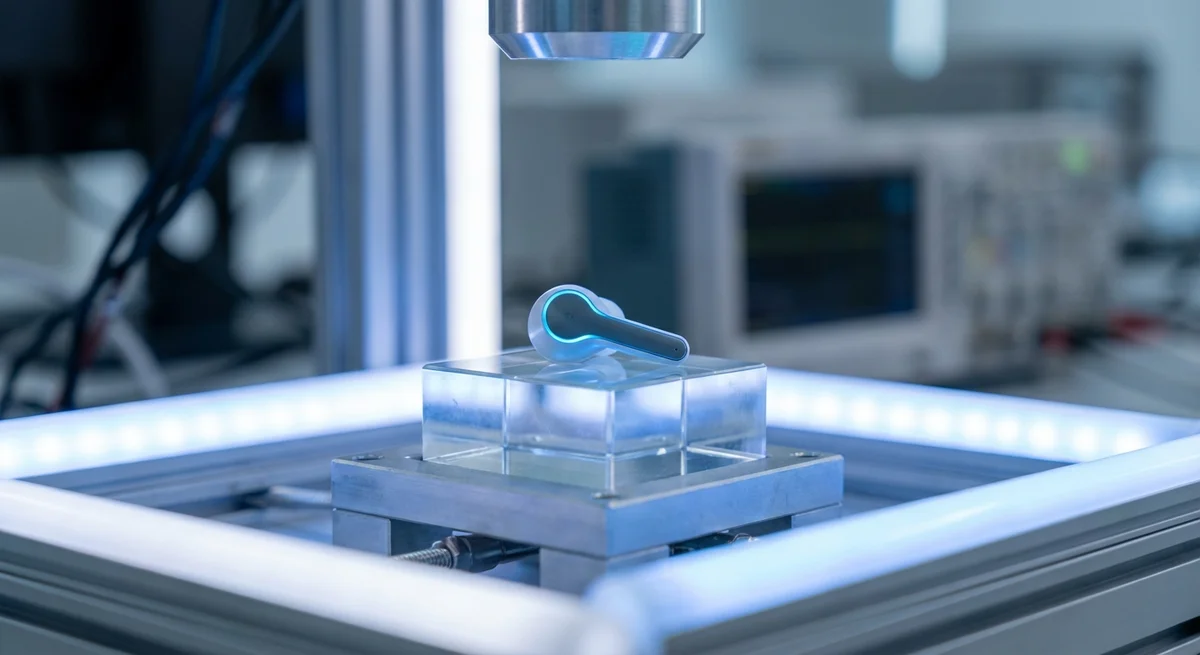
Remember when we picked headphones by driver size and ear pad material? In 2026, those specs prompt only a nostalgic smile. Today the audio industry has fully moved into computational sound, where software plays a far more important role than the physical diaphragm.
ZDNET has decided to revise its testing methods, and that is a good occasion to talk about where personal audio is heading and why your old audiophile experience no longer helps you choose a gadget. It used to be simple: we looked at graphs, judged the clarity of the highs and the punch of the bass. But once neural processors capable of rebuilding the sound wave in real time were built into headphones, dry numbers lost their meaning.
Today's headphone test is not a check of the driver but a stress test for the AI models that live inside the ear cups. ZDNET now checks how effectively the algorithm separates voices in a noisy café. Imagine you are sitting in the middle of a megacity, and your headphones must not just muffle the noise but work out which of the five voices around you belongs to your conversation partner and which to an annoying promoter at the next table.
That takes enormous computing power and sophisticated model training. Testers spend hours in virtual simulations and real commutes, measuring the delay between the moment sound hits the microphone and the moment the processed signal reaches your ear. If the delay exceeds the acceptable limit, the magic of "silence" breaks down, and the brain starts to feel a discomfort that old terms like harmonic distortion cannot describe.
The second important milestone in the new protocols is biometrics and contextual awareness. Headphones in 2026 know more about your condition than you do. They track heart rate, stress level, and even how focused you are.
ZDNET is introducing a check of how the AI adapts the sound environment to your state. If you are out jogging, the algorithm must automatically mix in the sounds of approaching cars for safety, but do it so that the music does not turn into mush. This is delicate software work that cannot be evaluated in lab conditions.
That is why reviewers now live with these devices for weeks, checking whether the AI starts to "glitch" after long wear or a sudden change of surroundings.
Why do we need to know all this? Because the industry has made a sharp turn toward ecosystems. We no longer simply buy headphones; we buy a personal assistant that filters our reality. If a failure by Sony or Bose in one model used to mean cheap plastic or weak bass, today it means poor neural network optimization. ZDNET stresses that it now evaluates not only the hardware but also the frequency of firmware updates. A model that sounds mediocre today may get an AI-processor patch in a month and become the market leader. This changes the logic of consumption itself: we invest in a platform, not in an object.
The takeaway: Audio testing has become an audit of algorithms. Are you ready to trust your hearing to a neural network that decides for you what you should hear in the surrounding noise?
Test Frontier LLMs & Autonomous Agents in One Workspace
Run Claude Opus 5.5, GPT-6, Gemini 3.1, and DeepSeek side-by-side in Nomad AI (nomadnet.ai) — unified model routing, deep research, and multimodal workflows under one subscription.
The AI world, distilled — once a week
Seven stories that actually mattered, hand-picked. No noise, no reposts, no press releases.
Done! Check your inbox for a confirmation.