A Museum Guide in Telegram: Why Pay for a Tour When You Have an LLM
While museums keep renting out bulky devices loaded with decade-old recordings, LLM and TTS technology lets you put together a personal guide on a shoestring. The idea is simple: a user sends a query or a photo of a painting to a Telegram bot, a neural network generates a lively, contextual narrative, and a speech synthesis engine turns it into a pleasant audio file. This is not just reading out a Wikipedia article but building an individual experience: the bot can adapt to the listener's level of knowledge or focus on specific details. What matters here is how accessible the tools are. They turn a trip to the gallery into an interactive dialogue with artificial intelligence.
AI-processed from Habr AI; edited by Hamidun News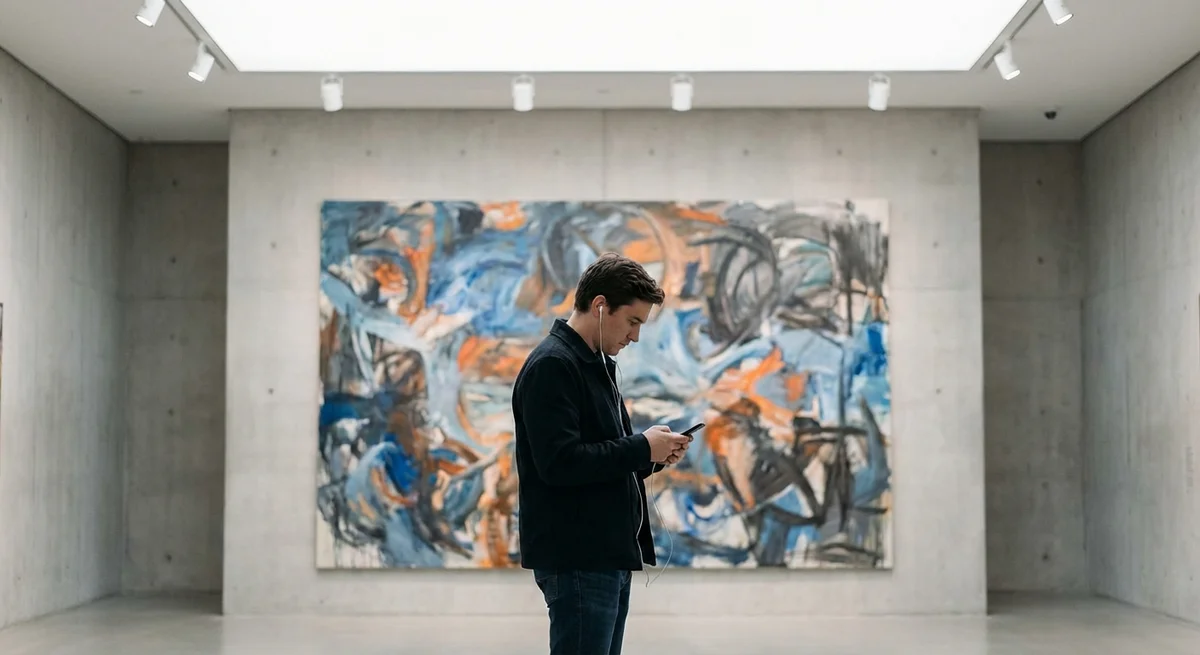
Think back to your last visit to a major art museum. Chances are you were offered a heavy audio guide for rent that looked like a phone from the nineties and spoke in the voice of a tired announcer. That industry has stood still while generative AI raced ahead. Today, building a personal tour guide is a task within reach of any developer who knows how to use an API. We are moving from static recordings to dynamic content created here and now for a specific visitor and their interests.
At the intersection of LLMs and TTS (Text-to-Speech), the project comes down to building a seamless data pipeline. It once took a whole team of editors and narrators; today a properly configured prompt is enough. The system works in three stages: identifying the painting, generating text with a powerful language model, and then voicing it. Using Telegram as the interface is a strategically smart move, since it spares users from downloading yet another heavyweight app that they would delete right after leaving the museum.
The guide's "personality" is an important aspect. Modern LLMs let you assign the bot any role, from a strict academic professor to an ironic contemporary artist. This changes the very paradigm of how people consume information about art. You are no longer a passive listener at a lecture but an active participant. You can ask the bot to explain why this daub is worth millions, or ask about the artist's personal life, and the AI instantly reworks its narrative while keeping it coherent and structured.
The technical implementation of such a project relies on Python and modern cloud services. Once the language model has produced the text, next-generation speech synthesis systems take over. They have learned to imitate natural breaths, pauses and intonation, which is critical for long narratives. Where older systems sounded like robots, modern TTS engines create the feeling that a real expert is whispering in your ear. This removes the barrier between technology and the experience of art, making the gadget almost unnoticeable.
What does this mean for the industry as a whole? Museums will either have to adapt or accept that their monopoly on information is gone. Indie projects like this show that value is shifting from owning content to the quality of its delivery. When anyone can get a quality consultation on any object in the world, the winner is whoever offers the best user experience and the most interesting interpretation of the facts.
The key question: Are museums ready to open their archives for training such models, or will they keep fighting for the rental of old devices at 500 rubles per session?
Test Frontier LLMs & Autonomous Agents in One Workspace
Run Claude Opus 5.5, GPT-6, Gemini 3.1, and DeepSeek side-by-side in Nomad AI (nomadnet.ai) — unified model routing, deep research, and multimodal workflows under one subscription.
The AI world, distilled — once a week
Seven stories that actually mattered, hand-picked. No noise, no reposts, no press releases.
Done! Check your inbox for a confirmation.