Rabbit Cyberdeck: Vibe Coding on the Ruins of the Failed R1
Jesse Lyu and his Rabbit team decided one flop with the R1 wasn't enough. Meet the Cyberdeck, a device built for "vibe coding." It's a retro-styled laptop designed around working with AI agents. While everyone wonders whether it will turn out to be just another smartphone shell, Rabbit is aiming at a niche of next-generation developers: people who don't write code by hand but dictate their will to neural networks. The idea is bold, but the brand's reputation hangs by a thread. If the Cyberdeck offers nothing beyond its design, Rabbit will finally become a maker of expensive merchandise.
AI-processed from 3DNews AI; edited by Hamidun News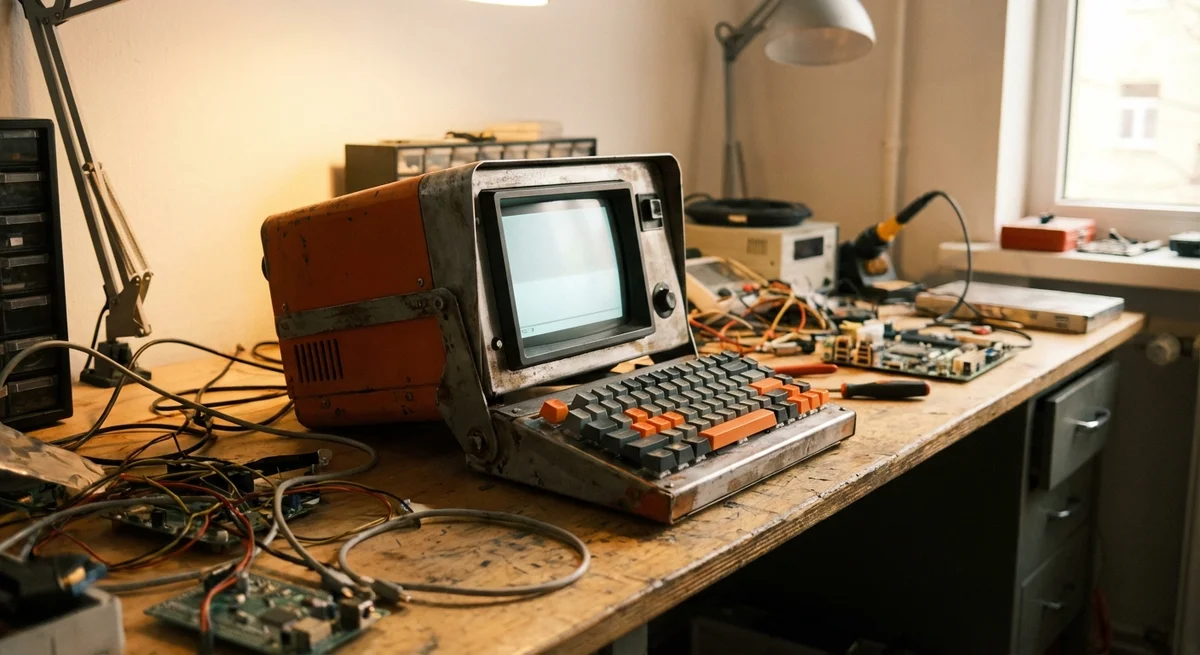
Remember that little orange box that was supposed to kill smartphones but turned out to be a slow Android app in cheap plastic? The Rabbit R1 became the symbol of inflated expectations in 2024. After such a crushing fiasco and scathing reviews from every tech blogger on the planet, you'd think the company would fade into the background or focus on software. But Jesse Lyu, Rabbit's CEO, chose a different path. He decided to double down and roll out the Cyberdeck, a device that looks like the dream of an eighties anime fan but claims to be a serious tool for a new caste of programmers.
The context matters more than the hardware. We live in an era when vibe coding is turning from a joke into an industry standard. It's the state in which you don't spend hours poring over API documentation, but simply describe the desired result to a neural network while sipping coffee. If the code works, the vibe is caught. If not, you change the prompt. Rabbit wants to ride this wave by offering a physical shell for a process that used to happen exclusively inside a browser or the VS Code editor. The idea is that a new kind of creativity needs a new kind of device.
The Cyberdeck is not just a laptop but an attempt to create a specialized terminal for interacting with AI agents. The design nods to homemade computers from cyberpunk literature: angular shapes, exposed components and, of course, the signature bright orange color. But the main question lurks inside: why do we need a separate device for something any modern MacBook with Cursor or Windsurf installed does perfectly well? Rabbit is trying to prove that a specialized interface and deep integration with its own operating system, Rabbit OS, will deliver a unique experience unavailable in ordinary operating systems.
The problem is that the brand's credit of trust is practically exhausted. When the R1 was first announced, we were promised a Large Action Model (LAM) that would book tickets and order pizza better than any assistant. In practice, users got a laggy interface and endless authorization errors. Now the company is stepping into the territory of professional tools. Developers are a far more demanding audience than tech geeks who buy gadgets for fun. They need stability, low latency and real usefulness, not just a pretty wrapper from trendy designers.
The AI hardware market currently resembles the Wild West. We've already seen the failure of the Humane AI Pin and the oblivion of many other button-based assistants. All of them tripped over the same problem: the smartphone already does all of this, and does it faster. Rabbit is betting on aesthetics and a very narrow niche. That's risky, given that software solutions evolve many times faster than Chinese factories can stamp out cases. But if Jesse Lyu can prove that his system really can vibe-code better than GPT-4o in an ordinary browser, we may get the first truly cult AI gadget.
For now, the Cyberdeck looks like an attempt to rescue the company's image by creating an object of desire for collectors. In a world where software is eating the world, Rabbit is desperately trying to sell us a piece of plastic. Will they manage to convince us that we need an orange suitcase with buttons to write Python code? We'll find out very soon, when the first units reach testers. But one thing is certain: it won't be boring.
Bottom line: Will the Cyberdeck become a real working tool, or remain a monument to the era of the AI bubble?
- Nov 2, 2026Bun creator uses Claude Code to port 750K lines from Zig to Rust in 11 days
- Nov 2, 2026mcp-linter finds 18 undescribed parameters in Anthropic's filesystem server
- Nov 2, 2026The Verge reviewer builds a $50 Meta Muse Charm alternative with Claude Code
- Nov 2, 20268 Skills for video in Claude Code: from 244 pixel effects to rough-cut editing
Test Frontier LLMs & Autonomous Agents in One Workspace
Run Claude Opus 5.5, GPT-6, Gemini 3.1, and DeepSeek side-by-side in Nomad AI (nomadnet.ai) — unified model routing, deep research, and multimodal workflows under one subscription.
The AI world, distilled — once a week
Seven stories that actually mattered, hand-picked. No noise, no reposts, no press releases.
Done! Check your inbox for a confirmation.