Metals 'turned green': why the collapse in copper and gold prices is actually an AI story
The precious metals and industrial raw materials market decided to stage a "high dive" right after hitting historical highs. Gold, silver, and especially copper suddenly turned red on trading terminals, though Chinese analysts ironically call this transformation into "green metals" (in Chinese tradition, green often symbolizes falling quotes). It might seem that artificial intelligence has nothing to do with this, and with our publication for that matter. In reality, the connection is direct, rigid, and physically tangible. In recent months we have observed a crazy rally. Gold was rising on geopolitical risks, while copper was rising on expectations of endless data-center expansion. When OpenAI, Microsoft, or Google plan clusters with a million GPUs, they budget not only the cost of chips from Nvidia, but also kilometers of copper cables, as well as tons of aluminum for cooling systems.
AI-processed from HuXiu (虎嗅); edited by Hamidun News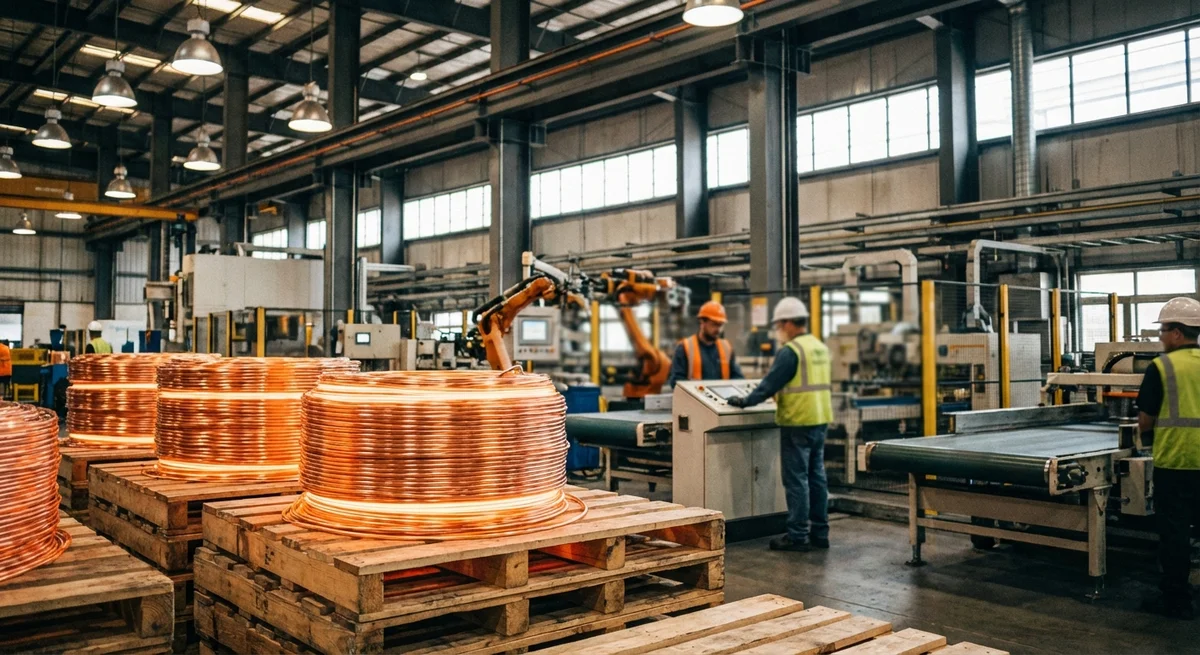
The precious metals and industrial raw materials market decided to stage a "high dive" right after hitting historical highs. Gold, silver, and especially copper suddenly turned red on trading terminals, though Chinese analysts ironically call this transformation into "green metals" (in Chinese tradition, green often symbolizes falling quotes). It might seem that artificial intelligence has nothing to do with this, and with our publication for that matter.
In reality, the connection is direct, rigid, and physically tangible. In recent months we have observed a crazy rally. Gold was rising on geopolitical risks, while copper was rising on expectations of endless data-center expansion.
When OpenAI, Microsoft, or Google plan clusters with a million GPUs, they budget not only the cost of chips from Nvidia, but also kilometers of copper cables, as well as tons of aluminum for cooling systems. Rising prices for these resources directly inflate the capital expenditure (CAPEX) of tech giants. Now we are seeing classic overheating — the market simply couldn't sustain its own pace, and capital began seeking new niches.
The chain of price increases "gold-silver-copper-aluminum-oil-gas" started to break down. First, gold played the role of a protective asset, then silver caught up on speculation, and copper became the final chord in this cycle. Now there is large-scale repositioning happening.
Major players are locking in profits, and this creates a temporary window of opportunity for hardware manufacturers. If copper stays at current levels, it could slightly slow the rise in server equipment prices, which already costs like the budget of a small island nation. For the AI industry, this is not just numbers on an exchange, but a question of scalability.
We are used to discussing transformer architectures and the number of parameters in new models, but we often forget that AI is primarily a physical infrastructure. Cheap copper means more affordable electricity and less expensive construction of new server capacity. However, we shouldn't get too excited.
The current decline looks more like a technical correction before a new surge, rather than a long-term trend toward cheaper living. Demand for copper from the AI sector and "green" energy hasn't gone anywhere, it continues to grow exponentially. Chinese investors are now frozen in anticipation: should they buy this dip right now?
In the context of the tech sector, the answer is more affirmative. We are in a phase where physical constraints — energy and materials — are becoming more critical than software innovations. Any decline in raw material prices is a gift to companies like Nvidia, Vertiv, or Schneider Electric, which provide the "skeleton" of the modern internet.
If the price increase chain breaks completely, we will see stabilization of cloud computing prices, which is critical for startups living on grants and venture money. It's interesting to observe how capital "switches" positions. After copper took the baton from gold, the market entered a phase of turbulence.
For us, this means that the AI arms race is colliding with the reality of commodity markets. You cannot train GPT-5 on algorithms alone if you don't have copper to power your servers. The current "price jump" downward is just a pause, allowing the industry to catch its breath before the next stage of data-center expansion.
The main point: Copper is the new lithium, and its volatility directly impacts the speed of the AI revolution. Will cloud providers manage to lock in favorable supply contracts while the market hasn't turned back around?
Want to stop reading about AI and start using it?
AI News is a curated feed of AI/tech news. Hamidun Academy teaches you to use AI systematically in your work.
The AI world, distilled — once a week
Seven stories that actually mattered, hand-picked. No noise, no reposts, no press releases.
Done! Check your inbox for a confirmation.