The Real AI Talent War: Plumbers and Electricians
The US faces a shortage of skilled plumbers and electricians, the workers needed to build and maintain the data centers driven by the artificial intelligence boom. This shortage is creating serious obstacles for the growth of AI infrastructure.
AI-processed from Wired; edited by Hamidun News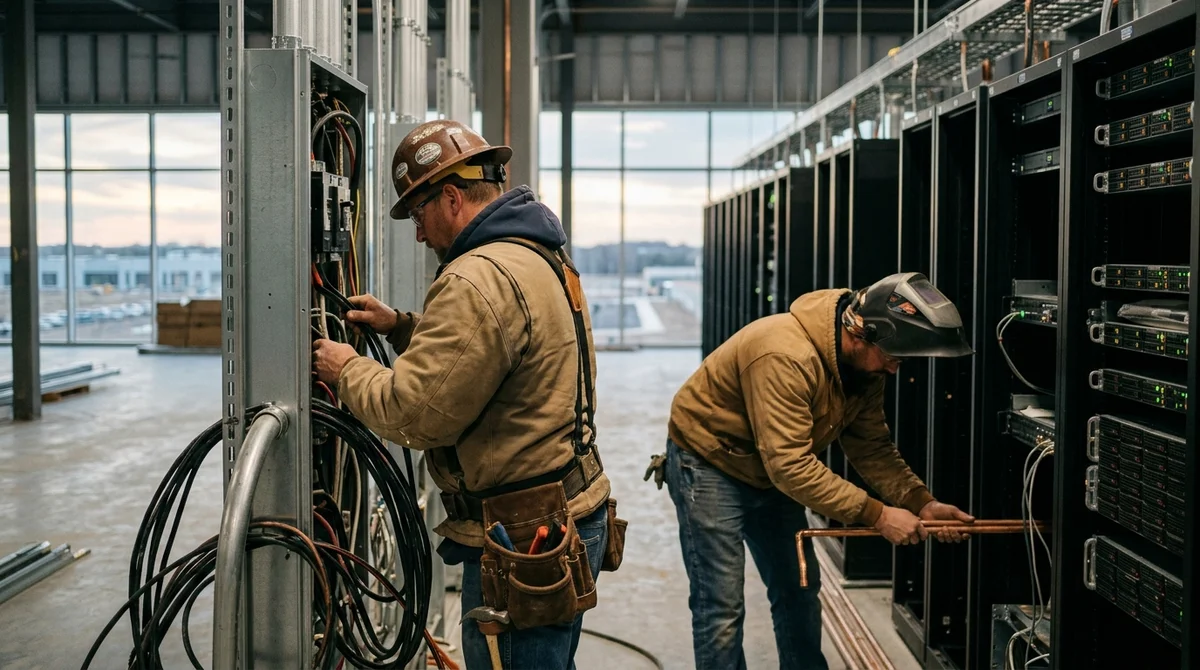
The rapid rise of artificial intelligence (AI) has created an unexpected problem: a shortage of skilled tradespeople, specifically plumbers and electricians. While tech giants race to develop cutting-edge algorithms and neural networks, the foundation of this AI revolution is the data center, which demands enormous amounts of power and complex cooling systems. That is exactly where the skilled labor gap emerges.
Demand for data centers in the US is growing exponentially. Training large-scale models such as GPT-4 and future versions requires massive computing power, and that power lives in these very data centers. As a result, a nationwide wave of new construction and upgrades to existing facilities is underway. But the effort has run into a serious obstacle: a shortage of qualified specialists who can keep this critical infrastructure running without interruption.
The problem isn't just about headcount but also about the specific skills required. Modern data centers are complex engineering structures that require high-precision installation and maintenance of power, cooling, and ventilation systems. Plumbers and electricians working in this field need knowledge of industrial automation, energy efficiency, and safety. Unfortunately, the US vocational training system isn't keeping pace with the market's growing needs, and the result is a shortage of qualified workers.
The shortage of plumbers and electricians could seriously slow the AI industry's growth. Delays in building and commissioning data centers will constrain the computing capacity needed to train and deploy new AI models. That, in turn, could hurt the competitiveness of American companies in the global market.
The labor shortage is also driving up service costs and stretching project timelines. That puts additional financial pressure on companies investing in AI infrastructure. Ultimately, it may trickle down to end consumers, who will face higher prices for AI-powered products and services.
Solving the problem requires a comprehensive approach. The US needs to invest in its vocational training system and create retraining and upskilling programs for existing workers. It also matters to draw young people into the construction trades by showing them the prospects and career growth opportunities in the fast-growing AI industry. Without addressing this problem, the US risks losing its lead in the race for AI supremacy.
In conclusion, the AI talent war isn't only a competition for the best engineers and scientists; it's also a fight for skilled plumbers and electricians. Without them, the entire complex and ambitious AI infrastructure simply can't function. Urgent action is needed to close the labor gap and ensure the continued growth of the AI industry in the US.
Ship AI Faster with Founders, Engineers & Weekly Architecture Reviews
Inside Vibe Club (hamidun.com/club) — weekly live masterminds with Zhemal Khamidun, Tech Radar, full LMS access, and 370+ production Claude Code skills.
The AI world, distilled — once a week
Seven stories that actually mattered, hand-picked. No noise, no reposts, no press releases.
Done! Check your inbox for a confirmation.