ICE scans faces of passersby: now you're officially in the terrorists database
Welcome to the reality we've been predicting for so long, but for which we turned out to be completely unprepared. If you thought cyberpunk was just neon signs and flying cars, I'm sorry to disappoint you. Real cyberpunk is when you go out for coffee and a government agent tells you that your face was just scanned and entered into a terrorist database. This is exactly what's happening in the US, where Immigration and Customs Enforcement (ICE) has decided that privacy is a luxury that taxpayers can no longer afford. Let's understand how we got here. ICE stopped being just a service checking visas for migrants a long time ago. Over the years, the agency has transformed into a powerful technological structure with appetites that would make any Silicon Valley corporation jealous.
AI-processed from Futurism; edited by Hamidun News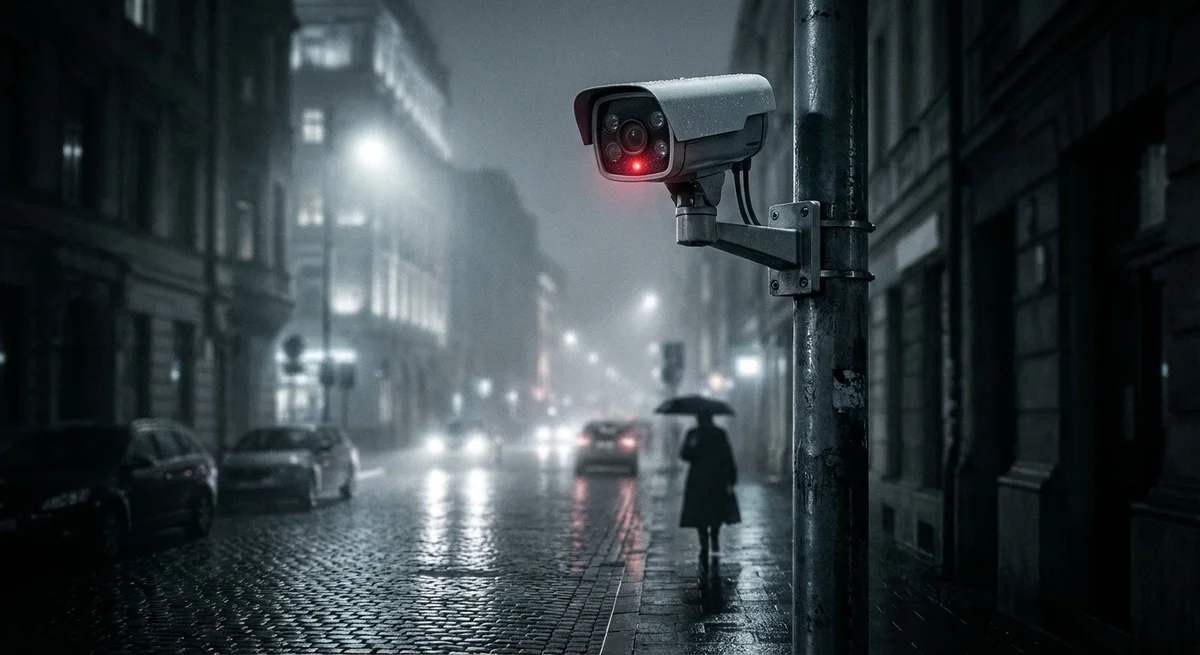
Welcome to the reality we've been predicting for so long, but for which we turned out to be completely unprepared. If you thought cyberpunk was just neon signs and flying cars, I'm sorry to disappoint you. Real cyberpunk is when you go out for coffee and a government agent tells you that your face was just scanned and entered into a terrorist database. This is exactly what's happening in the US, where Immigration and Customs Enforcement (ICE) has decided that privacy is a luxury that taxpayers can no longer afford.
Let's understand how we got here. ICE stopped being just a service checking visas for migrants a long time ago. Over the years, the agency has transformed into a powerful technological structure with appetites that would make any Silicon Valley corporation jealous. They've been buying data from brokers for years, using Clearview AI to recognize faces from social media photos, and building surveillance infrastructure that covers practically every resident of the country, regardless of their citizenship or legal status. But now they've dropped all pretense and started acting openly.
What's happening is simple and frightening at the same time. Agents use mobile devices to scan biometrics of people in public places. In doing so, they don't just identify someone, they directly tell citizens: "You're now in the anti-terrorism system." This is a classic example of "mission creep," when tools created to find dangerous criminals start being applied against ordinary people. If you end up in such a database, your life changes forever. Every document check, every border crossing, or even an attempt to get a job will now be flagged with a red warning in a system that doesn't forgive and doesn't forget.
The most ironic thing about this situation is the backdrop against which it's unfolding. While the AI industry spends billions of dollars discussing "ethics" and trying to teach chatbots not to say offensive things, government machines are using these same technologies to dismantle the remnants of civil liberties. We're witnessing a dangerous divide: on one pole—progressive startups discussing the salvation of humanity, on the other—enforcement agencies implementing real-time suppression algorithms. And clearly the latter is winning, because they have budgets and don't need to answer to the public.
The problem here is not just the scanning itself, but the "chilling effect" it produces on society. When you know that your every step is being recorded and analyzed by an algorithm for "terrorist threats," you start behaving differently. You talk less, go to protests less often, and try to be as inconspicuous as possible. This is the ultimate goal of total surveillance—creating a society that censors itself out of fear of an invisible judge in the cloud. Facial recognition technologies have turned from a security tool into an instrument of social engineering.
What does this mean for us? First of all, it means that legal frameworks are catastrophically lagging behind technical capabilities. In most countries, there are still no clear laws prohibiting mass biometric surveillance without a warrant. And as long as there are no laws, intelligence agencies will continue to test the boundaries of what's permitted, until those boundaries disappear altogether. We're entering an era where your anonymity in a crowd is no longer guaranteed, and your face becomes your primary identifier, which you cannot change.
The main point: ICE has created a precedent for an open psychological attack through biometrics. If today it's a terrorist database, what's preventing tomorrow someone from adding a "socially unreliable" database to it?
Want to stop reading about AI and start using it?
AI News is a curated feed of AI/tech news. Hamidun Academy teaches you to use AI systematically in your work.
The AI world, distilled — once a week
Seven stories that actually mattered, hand-picked. No noise, no reposts, no press releases.
Done! Check your inbox for a confirmation.