Shampoo and Cookies: Procter & Gamble Turns to AI for Product Development
Shampoos and cookies are now being developed with the help of AI. Procter & Gamble and other consumer goods giants are building algorithms into their R&D labs: machine learning analyzes thousands of ingredient combinations in hours, predicts consumer reactions and shortens the path from idea to shelf from several years to months. The AI story has moved beyond the data center.
AI-processed from TNW; edited by Hamidun News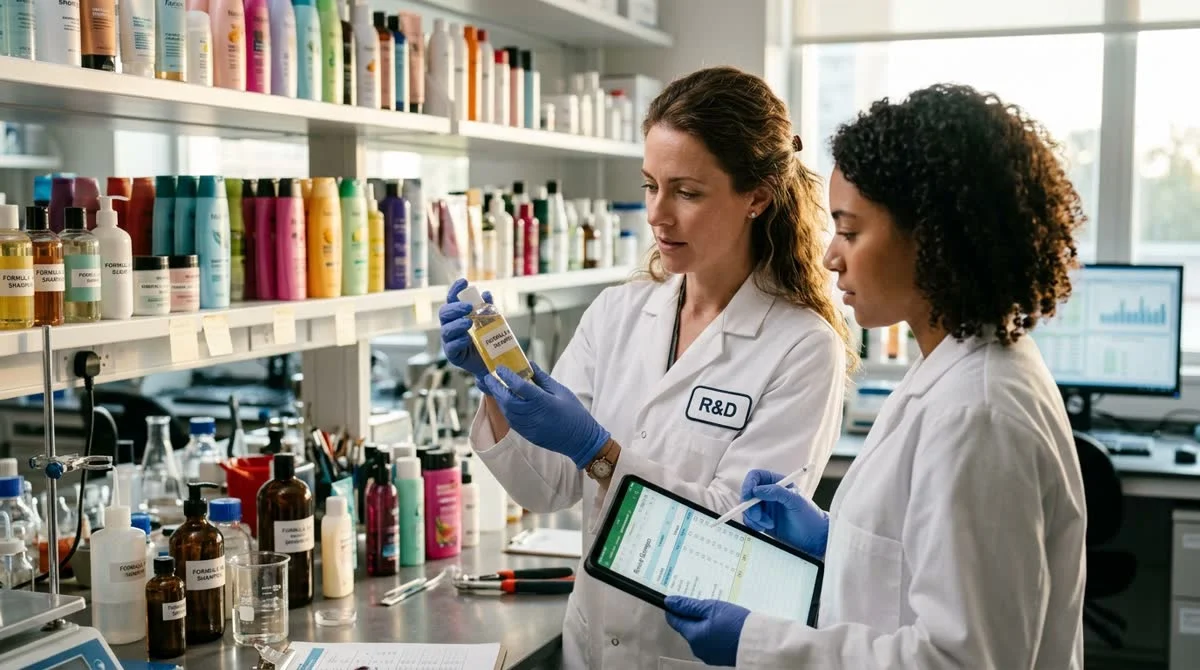
In 2026, the largest manufacturers of everyday consumer goods, including Procter & Gamble and other industry giants, are moving to AI-assisted product development. Algorithms now help create the formulas for shampoos, the recipes for cookies and dozens of other products that end up in the hands of billions of shoppers every day.
Why the AI story reached the shampoo aisle
Until recently, the main players in the AI narrative were Nvidia with its chips, Amazon with its data centers and OpenAI with its language models. But the picture is changing: major consumer goods makers say they use AI not to build technology products, but to develop the most ordinary things, the items on the shelf of the nearest supermarket.
This is a fundamental shift. When Procter & Gamble or a large food producer builds AI into its R&D process, the result affects not millions of tech users but billions of daily shoppers. A bottle of shampoo with a formula an algorithm helped create is no longer the future. It is the present.
How AI is changing consumer product development
The traditional cycle for creating a consumer product was long and expensive. A team of chemists developed a formula, the product went through a series of lab tests, then focus-group trials, and only after several iterations reached the shelf. The whole path from idea to store shelf often took several years.
AI compresses this cycle radically. Machine learning makes it possible to:
- analyze thousands of ingredient combinations in hours instead of months
- predict how consumers will perceive a product's scent, texture and taste
- optimize a recipe simultaneously for cost, environmental impact and consumer preferences
- reduce the number of physical prototypes and lab tests
- respond faster to supply chain changes by swapping ingredients without losing quality
For manufacturers, this directly affects development economics: fewer iterations mean less time and money before a product reaches the market. Amid fierce competition in the FMCG sector, any speedup in the cycle becomes a strategic advantage.
Who is leading the lab overhaul
Procter & Gamble, the company behind the Pantene, Head & Shoulders, Ariel and Gillette brands, openly talks about its shift to AI-driven development. Algorithms are built into the research process itself: they help formulate compositions, process data on consumer preferences and propose solutions that would have taken a team of chemists months.
Similar changes are under way among food manufacturers. Companies that make cookies and other mass-market products use AI to design flavor profiles, manage recipes and cut development costs. The food industry is traditionally conservative about changing proven recipes, which makes the move to algorithmic tools all the more significant.
The trend spans the whole sector, from personal care to household chemicals and food. AI is turning from an experimental tool into a standard part of big corporations' R&D infrastructure.
What this means
AI has moved beyond the tech sector. It now influences products people buy without a second thought: shampoo, toothpaste, baked goods, household cleaners. For the FMCG industry, this means faster innovation cycles and lower development costs. For consumers, it means goods created with the help of algorithms. For the labor market, it raises unavoidable questions about the role of traditional R&D specialists in a world where part of their work is shifting to machine learning models.
- Nov 1, 2026Local models lose to Opus and Codex: 0.21 on a MacBook versus 1.00 for Codex
- Nov 1, 2026Kimi scores 96.2% on a 1C database analytics test and emerges as a fallback if Claude access is blocked
- Nov 1, 2026OpenAI Rewrites GPT Behavior Rules: Five Values and a Chain of Command
- Nov 1, 2026Google admits AI Mode cuts search revenue, shares fall 15%
Key Questions Answered
Why the AI story reached the shampoo aisle?
Until recently, the main players in the AI narrative were Nvidia with its chips, Amazon with its data centers and OpenAI with its language models. But the picture is changing: major consumer goods makers say they use AI not to build technology products, but to develop the most ordinary things, the items on the shelf of the nearest supermarket. This is a fundamental shift. When Procter & Gamble or a large food producer builds AI into its R&D process, the result affects not millions of tech users but billions of daily shoppers. A bottle of shampoo with a formula an algorithm
How AI is changing consumer product development?
The traditional cycle for creating a consumer product was long and expensive. A team of chemists developed a formula, the product went through a series of lab tests, then focus-group trials, and only after several iterations reached the shelf. The whole path from idea to store shelf often took several years. AI compresses this cycle radically. Machine learning makes it possible to: analyze thousands of ingredient combinations in hours instead of months predict how consumers will perceive a product's scent, texture and taste optimize a recipe simultaneously for cost, environ
Who is leading the lab overhaul?
Procter & Gamble, the company behind the Pantene, Head & Shoulders, Ariel and Gillette brands, openly talks about its shift to AI-driven development. Algorithms are built into the research process itself: they help formulate compositions, process data on consumer preferences and propose solutions that would have taken a team of chemists months. Similar changes are under way among food manufacturers. Companies that make cookies and other mass-market products use AI to design flavor profiles, manage recipes and cut development costs. The food industry is traditionally conserv
Test Frontier LLMs & Autonomous Agents in One Workspace
Run Claude Opus 5.5, GPT-6, Gemini 3.1, and DeepSeek side-by-side in Nomad AI (nomadnet.ai) — unified model routing, deep research, and multimodal workflows under one subscription.
The AI world, distilled — once a week
Seven stories that actually mattered, hand-picked. No noise, no reposts, no press releases.
Done! Check your inbox for a confirmation.