Shampoo and Cookies: Procter & Gamble Transitions to AI in Product Development
Shampoos and cookies are now being developed with AI. Procter & Gamble and other consumer goods giants are embedding algorithms into their R&D laboratories: machine learning analyzes thousands of ingredient combinations in hours, predicts consumer reactions, and reduces the path from idea to shelf from years to months. The AI story has moved beyond data centers.
AI-processed from TNW; edited by Hamidun News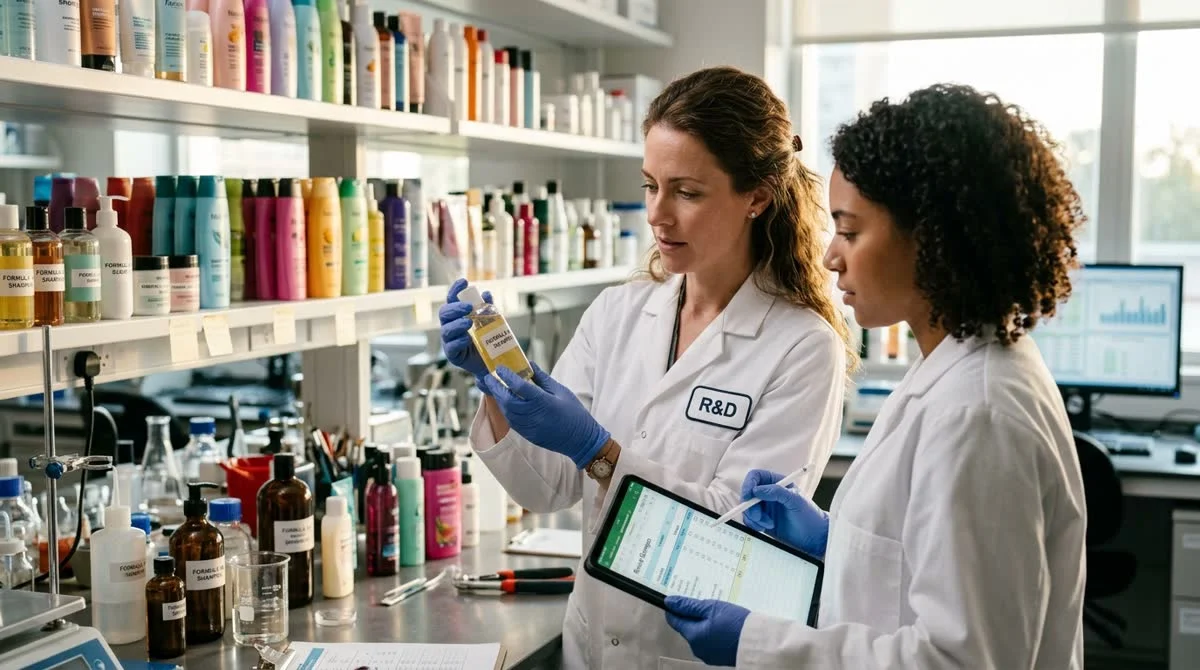
In 2026, the world's largest consumer goods manufacturers — Procter & Gamble and other industry giants — are transitioning to AI-driven product development: algorithms now participate in creating shampoo formulas, cookie recipes, and dozens of other products that reach the hands of billions of customers daily.
Why AI's Story Reached Shampoo
Until recently, the main protagonists in the AI narrative were Nvidia with its chips, Amazon with data centers, and OpenAI with language models. But the picture is changing: major consumer goods manufacturers say they are applying AI not to create tech products, but to develop the most ordinary things — items on the shelf of the nearest supermarket.
This is a fundamental shift. When Procter & Gamble or a major food manufacturer embeds AI into the R&D process, the result affects not millions of tech users, but billions of everyday consumers. A bottle of shampoo with a formula that an algorithm helped create — this is no longer the future, but the present.
How AI Is Changing Consumer Product Development
The traditional cycle of creating a consumer product was long and costly. A team of chemists would develop a formula, the product would go through a series of lab tests, then focus group trials, and only after several iterations would it reach the shelf. The entire path from idea to store shelf often took several years.
AI compresses this cycle dramatically. Machine learning enables:
- analyzing thousands of ingredient combinations in hours instead of months
- predicting how consumers will perceive the smell, texture, and taste of a product
- optimizing formulations simultaneously for cost, sustainability, and consumer preferences
- reducing the number of physical prototypes and laboratory tests
- responding faster to supply chain changes by modifying ingredients without losing quality
For manufacturers, this directly impacts the economics of development: fewer iterations means less time and money before a product reaches the market. In the fiercely competitive FMCG sector, any acceleration of the cycle becomes a strategic advantage.
Who Is Leading the Lab Overhaul
Procter & Gamble — the company behind the brands Pantene, Head & Shoulders, Ariel, and Gillette — openly speaks about the transition to AI-driven development. Algorithms are embedded in the research process itself: they help formulate compositions, process consumer preference data, and propose solutions that would have taken the chemistry team months.
Similar changes are occurring at food manufacturers. Companies producing cookies and other mass-market goods are using AI to design flavor profiles, manage formulations, and reduce development costs. The food industry has traditionally been conservative in changing proven recipes — making the shift to algorithmic tools all the more significant.
The trend is sweeping across the entire sector: from personal care products to household chemicals and food products. AI is transforming from an experimental tool into a standard part of the R&D infrastructure of large corporations.
What This Means
AI has stepped beyond the technology sector — it now influences products that people buy without thinking: shampoo, toothpaste, baked goods, household chemicals. For the FMCG industry, this means accelerating innovation cycles and reducing development costs. For consumers — products created with the participation of algorithms. For the labor market — inevitable questions about the role of traditional R&D specialists in a world where part of their work is shifting to machine learning models.
Want to stop reading about AI and start using it?
AI News is a curated feed of AI/tech news. Hamidun Academy teaches you to use AI systematically in your work.
The AI world, distilled — once a week
Seven stories that actually mattered, hand-picked. No noise, no reposts, no press releases.
Done! Check your inbox for a confirmation.