UN Science Panel Warns: Window for AI Regulation is Closing
The first-ever UN science panel on artificial intelligence published a preliminary report in May 2026. The main conclusion: AI is developing faster than states can regulate it, and the window for effective technology management is narrowing. The report was released ahead of a major international AI summit—experts insist: action must be taken right now.
AI-processed from TNW; edited by Hamidun News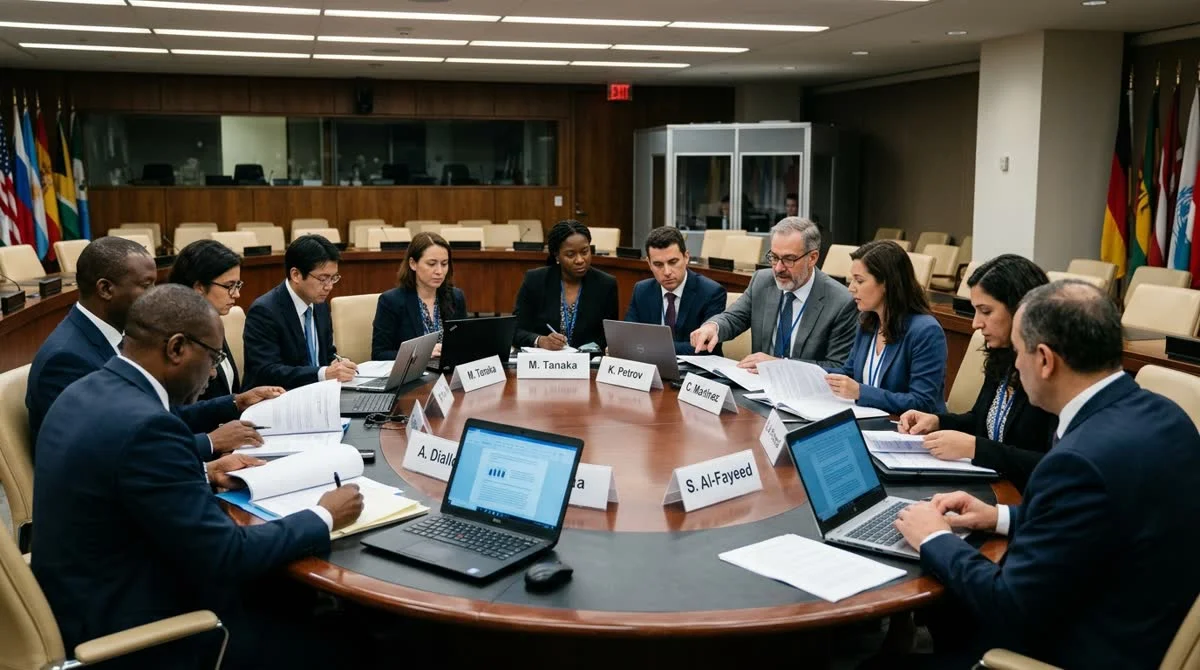
In May 2026, the UN's first-ever independent international scientific panel on artificial intelligence published a preliminary report with an unambiguous conclusion: AI is developing faster than governments can regulate it, and the window of opportunity for effective technology governance is rapidly narrowing.
What the UN Panel Represents
The UN Independent International Scientific Panel on Artificial Intelligence is the first global scientific body specifically created to provide independent expert assessment of AI's risks and opportunities under UN auspices. It operates on the model of the Intergovernmental Panel on Climate Change (IPCC): its task is to form scientific consensus that serves as the foundation for international policy decisions.
The preliminary report was released on the eve of a major international AI governance summit. The publication was timed to this event deliberately: the authors expect their conclusions to set the agenda for negotiations among UN member states.
- The first global UN scientific body on AI — UN Independent International Scientific Panel on AI
- Preliminary report published in May 2026
- Launch timed to the international AI summit
- Central thesis: the moment for coordinated action is now
Why Regulation Cannot Keep Pace
Panel experts point to a structural gap between the speed of technological progress and the pace of regulatory response. Legislative processes, international negotiations, and technical standard harmonization take years. AI system capabilities change in months. By the time a regulatory act passes through all stages, the technology it is meant to regulate has already advanced to the next level.
An additional challenge is resource concentration. A few major tech powers have consolidated key computing infrastructure, massive datasets, and research talent. Most states, especially developing ones, find themselves in the position of passive consumers: lacking infrastructure for independent risk analysis and lacking real influence over the technology's development trajectory. As a result, international forums often debate standards for systems that have become obsolete by the time negotiations conclude.
What the Report Specifically Says
The preliminary document does not publish an exhaustive list of recommendations — the final version is expected later. But the key thesis is stated directly: the moment for adopting coordinated international measures is critical right now. The authors warn that delay creates the risk of reaching a situation where technology governance becomes fundamentally more difficult — not because of bans, but because the architecture of AI systems will have already crystallized and reconceiving it will be too costly.
Analysts compare what is happening to the history of climate policy. The IPCC was established in 1988 — well before the adoption of the Kyoto Protocol and the Paris Agreement. It created an authoritative scientific foundation without which binding international agreements would have been impossible. The UN AI panel aspires to play exactly this role — as a scientific anchor for future regulatory architecture.
What This Means
The creation of the first global UN scientific body on AI is an institutional signal: the world community acknowledges that chaotic national regulation and voluntary industry initiatives are not adequate to the scale of the challenge. How much the panel becomes a real instrument of influence will largely depend on how major AI powers receive its final report and what commitments they undertake at the upcoming summit.
Build & Ship Production AI Apps with Vibe Coding
Join Zhemal Khamidun's hands-on Vibe Coding Intensive at hamidun.com/vibecoding — master Claude Code, Cursor, and autonomous agentic workflows.
The AI world, distilled — once a week
Seven stories that actually mattered, hand-picked. No noise, no reposts, no press releases.
Done! Check your inbox for a confirmation.