DeepSeek introduces double tariff during peak hours — first in China's AI price war
DeepSeek, which sparked the AI price war in China, unexpectedly became the first to raise prices: during peak load hours, token costs for V4-series models will double. API clients reported this based on the company's official notification. No Chinese competitor has made a similar move yet.
AI-processed from TNW; edited by Hamidun News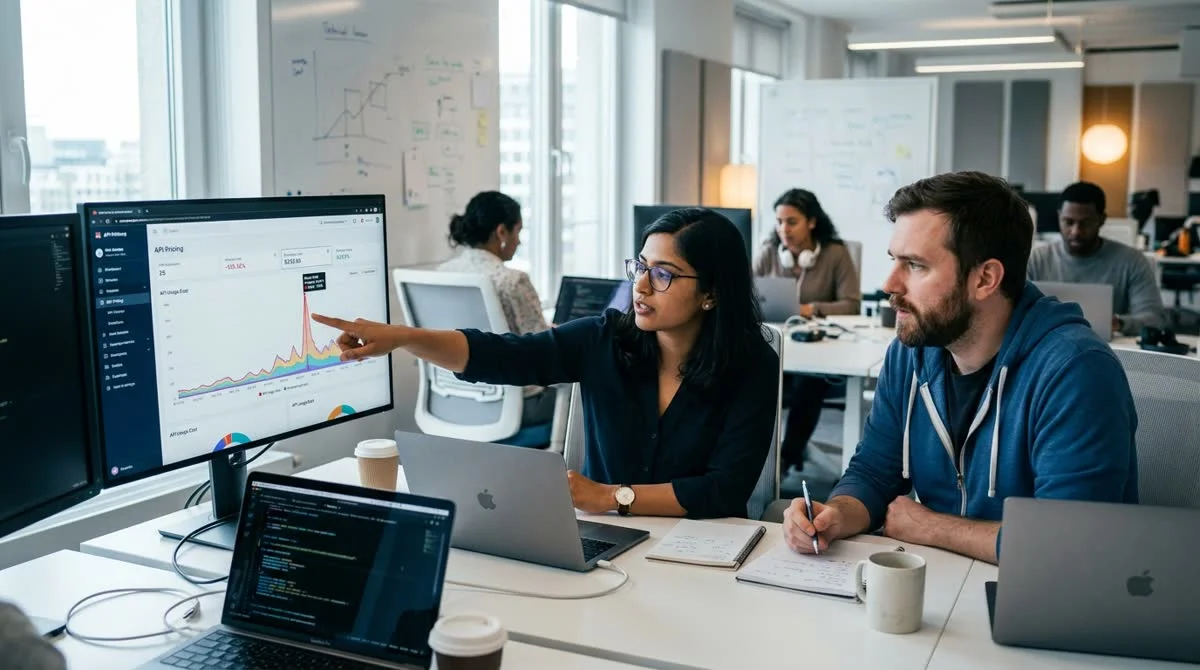
In April 2026, DeepSeek — a Chinese AI startup that initiated a price collapse in the API market for language models — notified developers about introducing a dynamic pricing model: during peak load hours, the cost of tokens for V4 series models will double.
What does the new pricing mean for developers?
According to South China Morning Post, which was shown the company's official notification, the peak hour surcharge applies to the V4 lineup — DeepSeek's most relevant family of models. The company does not disclose the exact range of "peak hours" and the price calculation algorithm.
Key facts of the new pricing regime:
- Peak hour surcharge: ×2 to the base price per token
- Applies to DeepSeek V4 series models
- The change affects only API clients, not end users of applications
- None of the competing Chinese AI providers have taken a similar step yet
- The data became known through South China Morning Post
Surge pricing has long been standard practice in cloud services (Amazon AWS, Google Cloud) and ride-hailing apps (Uber, Yandex Taxi). In the API market for language AI models, it has barely been used: major providers — from OpenAI to Alibaba — have historically maintained fixed prices per token regardless of infrastructure load.
Why is this step unexpected?
The irony is that DeepSeek itself fired the opening shot in the price war. In early 2025, the company released open and cheap models that, with competitive quality, cost an order of magnitude lower than GPT-4 level solutions. Alibaba Cloud, Baidu, ByteDance and several other Chinese AI labs were forced to sharply reduce their rates in response — some temporarily introduced free access to their APIs.
South China Morning Post commentators call the situation paradoxical: the company that started the race for cheapness turned out to be the first to take a step in the opposite direction.
The introduction of a peak hour surcharge is an indirect acknowledgment of reality: subsidized prices have a limit. When computing power is operating at its limit, a flat price list no longer covers variable costs. Double pricing solves two problems at once: it smooths peak demand by encouraging the transfer of tasks to less loaded times, and improves service quality for clients willing to pay for priority access.
What this means
DeepSeek became the first participant in the Chinese AI price war to venture into variable pricing. This is a precedent that others may follow: it's impossible to subsidize cheap tokens indefinitely, and dynamic pricing in AI APIs is just a matter of time.
For development teams building products on DeepSeek V4, surge pricing is a new variable in budgeting. The right solution: move tasks without strict latency requirements to off-peak hours, and for real-time requests, factor in the double rate in calculations.
Frequently asked questions
Which DeepSeek models are affected by the price increase?
Surge pricing applies to DeepSeek V4 series models — the most relevant family at the time of announcement. Previous generation models are not mentioned in the company's official notification.
Has any of the competitors done something similar?
According to South China Morning Post, no Chinese AI provider introduced dynamic pricing before DeepSeek. On the Western market, OpenAI, Anthropic and Google also adhere to fixed pricing per token.
Want to stop reading about AI and start using it?
AI News is a curated feed of AI/tech news. Hamidun Academy teaches you to use AI systematically in your work.
The AI world, distilled — once a week
Seven stories that actually mattered, hand-picked. No noise, no reposts, no press releases.
Done! Check your inbox for a confirmation.