Taiwan court detains two Super Micro managers in Nvidia server China export case
A Taiwan court detained two Super Micro managers on the night of June 30-July 1, 2026. Investigators are examining whether AI servers with Nvidia chips were being smuggled to China in circumvention of U.S. export restrictions. According to Taiwanese media, the detained managers are surnamed Wang and Lin and worked in the company's Taiwan subsidiary.
AI-processed from TNW; edited by Hamidun News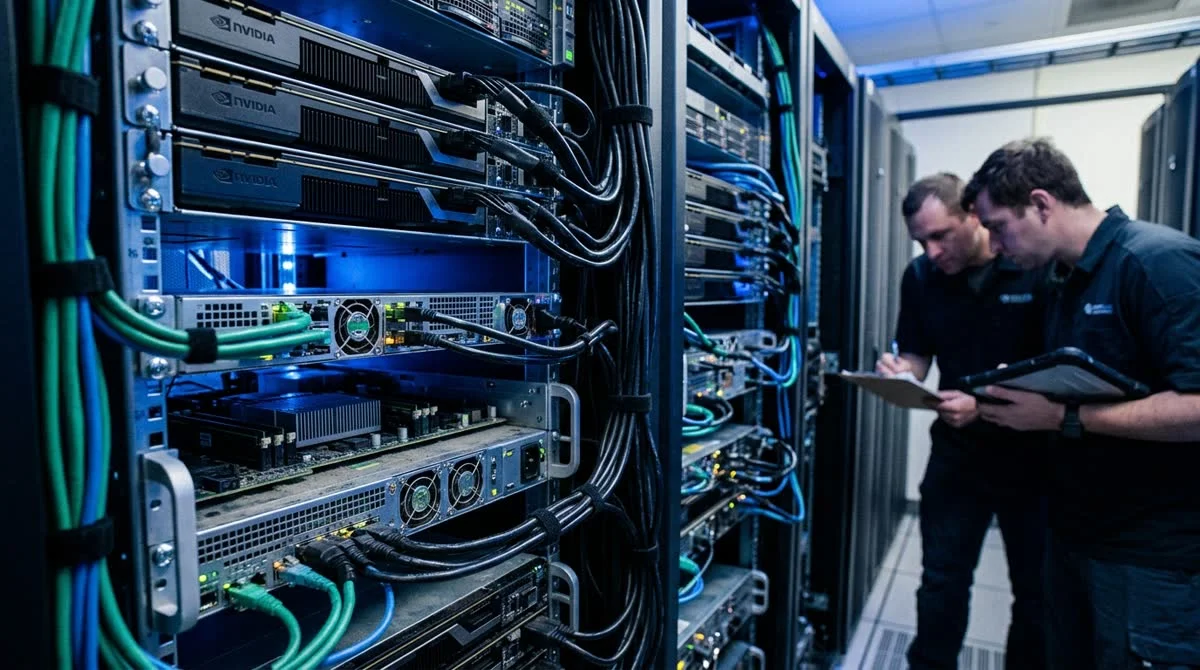
Taiwan court overnight from June 30 to July 1, 2026 detained two managers of Super Micro in an expanding investigation: the investigation checks whether AI servers based on Nvidia chips were supplied to China in circumvention of export restrictions.
Who Was Detained and What They Are Suspected Of
The Keelung District Court sanctioned the detention of two employees of Super Micro's Taiwan subsidiary overnight from June 30 to July 1, 2026. Taiwan media identified the detained individuals as managers with the surnames Wang and Lin. The company confirmed the detention of its employees.
- Court: Keelung District Court, Taiwan
- Date of detention: night of June 30 to July 1, 2026
- Detained: managers of the Taiwan subsidiary with surnames Wang and Lin
- Basis: possible illegal re-export of AI servers with Nvidia chips to China
Super Micro Computer is an American server equipment manufacturer headquartered in San Jose, California. The company operates a large manufacturing center in Taiwan and specializes in high-performance servers for data centers and AI computing — which is why its systems based on Nvidia chips are in demand worldwide.
Why Server Shipment to China Became a Criminal Case
Since October 2022, the U.S. Department of Commerce has imposed and progressively tightened restrictions on the export of advanced Nvidia GPU chips to China. The A100, H100 series and their successors came under control — chips that form the basis of servers for training AI models. Restrictions extend to finished servers: if a system with such chips ends up with a Chinese buyer through any chain of intermediaries, it is classified as a violation of the sanctions regime.
A special role in such cases is played by transit re-export — when equipment is shipped to a third country and then transferred to China in circumvention of direct bans. These are precisely the schemes that became the subject of investigations in both the United States and allied states: manufacturers, distributors and logistics intermediaries are being examined.
Taiwan — a key manufacturing hub of global electronics — has come under heightened regulatory attention. American authorities are pushing Taiwan to strengthen export controls, and the Taiwan government has intensified its own investigations. The detention of Super Micro managers is part of exactly this expanding oversight of AI equipment supply chains.
What This Means
The principal distinction of this case is criminal prosecution of individuals, not merely corporate fines. Taiwan authorities are demonstrating their willingness to detain specific managers who made operational decisions. This changes personal incentives: ignoring "red flags" when processing AI server transactions can now result in imprisonment.
For Super Micro this is not the first regulatory trial — in 2023–2024 the company underwent investigation by the American SEC on financial reporting matters. Now a criminal case in Taiwan is added to this. For the entire AI server industry the signal is unambiguous: control over the end recipients of equipment with Nvidia chips becomes a matter of personal legal responsibility.
Want to stop reading about AI and start using it?
AI News is a curated feed of AI/tech news. Hamidun Academy teaches you to use AI systematically in your work.
The AI world, distilled — once a week
Seven stories that actually mattered, hand-picked. No noise, no reposts, no press releases.
Done! Check your inbox for a confirmation.