Nissan Chief on Tariffs, US Manufacturing, and the Future of Autonomous Driving
Nissan President Ivan Espinosa explained in a Bloomberg Surveillance interview how 25% US tariffs on Mexican-manufactured vehicles are complicating their sales in the American market. The company's response is to increase production directly in the US, reducing the tariff burden. The topic of autonomous driving was also touched on, though without specific timelines or technical details.
AI-processed from Bloomberg Tech; edited by Hamidun News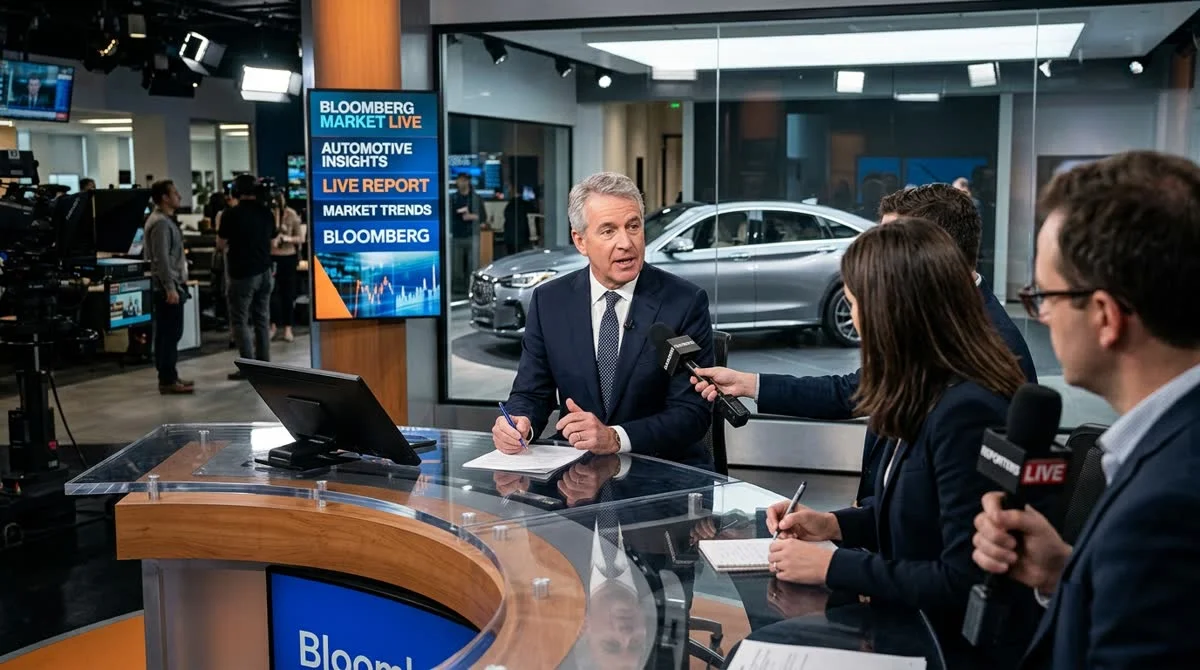
Nissan Motor Co. President and CEO Ivan Espinosa on July 1, 2026 appeared on Bloomberg Surveillance, addressing three topics: the future of autonomous driving at the company, plans to expand manufacturing in the USA, and the impact of American tariffs on supplies from Mexican factories.
Why have tariffs become a problem for Nissan?
Vehicles manufactured at Nissan's Mexican factories and supplied to the USA are subject to a 25% tariff. According to Espinosa, with such a tariff burden, maintaining competitiveness in the world's largest automotive market becomes significantly more difficult — tariffs directly impact pricing and margins.
Key data from the interview:
- 25% — US customs duty rate on vehicles from Mexico
- Nissan has substantial manufacturing capacity in Mexico
- The tariff regime reduces the price competitiveness of the Mexican lineup in the American market
How is Nissan adapting to trade restrictions?
The CEO's strategic response is to shift part of production directly to US territory. Vehicles assembled within the country do not fall under the 25% tariff, making them more competitive both in price and profitability for the manufacturer. Espinosa identified investments in American factories as one of the priorities.
The CEO did not mention specific funding amounts or timelines in the interview. Nevertheless, the very fact of publicly acknowledging the need for localization is a signal that the tariff factor is seriously changing the company's production strategy.
What does the CEO say about autonomous driving?
Espinosa identified autonomous driving as a key development direction for Nissan. However, substantive technical specifics were not provided: neither timelines for commercial launch, nor target levels of autonomy, nor partnerships with software developers were mentioned by the CEO.
Such cautious rhetoric is typical for traditional automakers forced to compete with Tesla and specialized autopilot players. The market has long been accustomed to viewing such declarations of intent without immediate technical backing.
What does this mean
The interview with Nissan's CEO captures the dual pressure on global automakers: on one hand, the need to invest in autonomous technologies to not fall behind in the technological race, and on the other, trade restrictions that squeeze margins and force a rethinking of production geography. A 25% tariff is not a local dispute but a systemic shift that reshapes the entire logic of the industry.
Need AI working inside your business — not just in your newsfeed?
I build production AI for companies — custom CRM, internal tools, autonomous agents, workflow automation. Owned by you, shaped to your process, no per-seat tax. Built by Zhemal Khamidun, CPO of AlpinaGPT (AI platform, 6,000+ users).
The AI world, distilled — once a week
Seven stories that actually mattered, hand-picked. No noise, no reposts, no press releases.
Done! Check your inbox for a confirmation.