Anthropic receives U.S. approval for expanded access to the Mythos 5 model
Anthropic received approval from U.S. authorities for expanded access to the powerful Mythos 5 model. The Trump administration had previously blocked it over national security concerns. After the dispute was resolved, the company was allowed to deploy the model in critical sectors — energy, defense, and healthcare. Analysts see this as a U.S. attempt to balance control over AI with preserving technological leadership.
AI-processed from Bloomberg Tech; edited by Hamidun News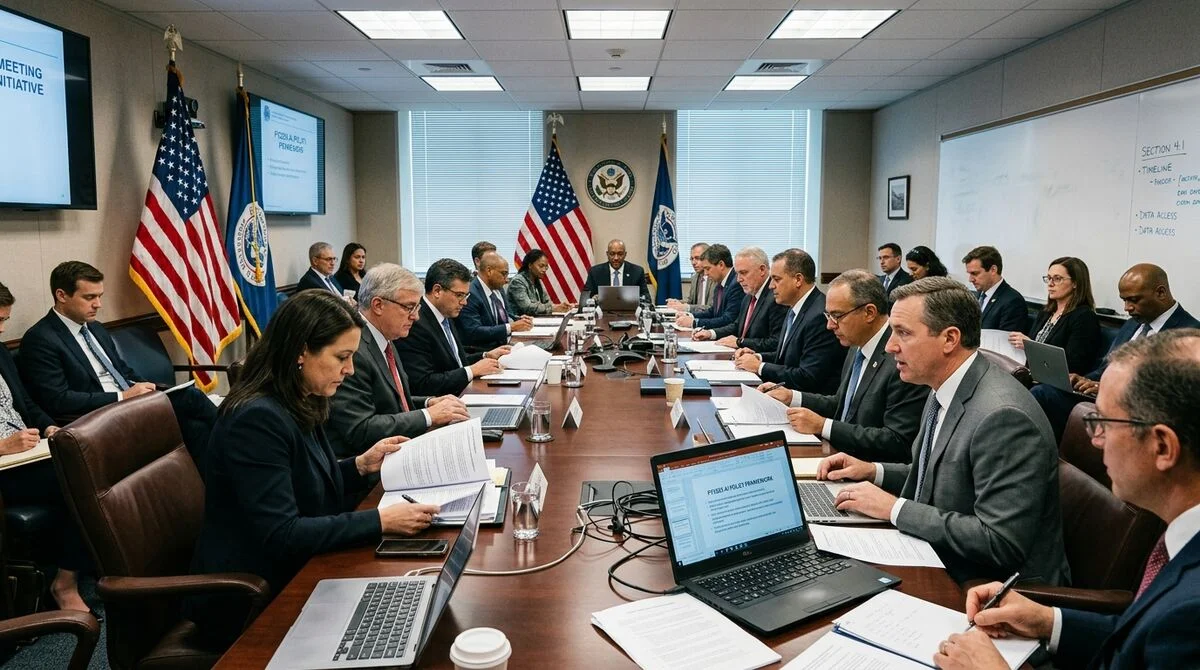
Anthropic received permission from the US government to partially restore access to its powerful AI model Mythos 5. Restrictions were imposed due to the Trump administration's concerns regarding national security. Now, after resolving disagreements, the company can once again provide expanded access to the technology in a number of strategically important sectors.
What Happened to Mythos 5
Mythos 5 is one of the most powerful language models in Anthropic's portfolio. Previously, it came under restrictions due to American authorities' concerns about potential threats its capabilities could pose to national security. This is a rare public case of direct regulatory intervention in access to a commercial AI model. Most disagreements between AI companies and the state are resolved behind closed doors or through industry compliance mechanisms. The fact that the story became public—and ended with permission rather than an outright ban—makes it a significant precedent for the entire industry.
National Security versus AI Competitiveness
Tereza Peyton, CEO of Fortalice Solutions and former Director of Information Technology at the White House, sees in this case a balancing act characteristic of the current administration: the US does not intend to cede to China in the race for AI leadership, but is not willing to compromise national interests for the sake of faster implementation.
"This demonstrates that the US prioritizes national security while supporting the deployment of domestic AI in critical sectors," —
Tereza Peyton.
Critical sectors traditionally include energy, defense manufacturing, healthcare, and financial infrastructure. Powerful AI models can provide strategic advantages in these sectors—and it is precisely in these areas that their uncontrolled application raises the greatest concerns among regulators and intelligence agencies.
How This Changes the Rules of the Game
The Mythos 5 precedent establishes trends that will define the regulatory environment for the AI market in the coming years:
- Powerful models increasingly go through direct coordination with federal authorities before expanded deployment
- The US demonstrates willingness to restrict even its own leading AI companies—when justified by legitimate risks
- Successful resolution of disagreements creates a working model for dialogue between AI business and the state
- Companies targeting government and defense markets must be prepared for in-depth technical reviews
- Prompt resolution of regulatory concerns becomes a competitive advantage in obtaining government contracts
This is particularly important given the pressure on American AI companies not to lose ground to international competitors. Regulators face a challenging task: stimulating domestic innovation while maintaining control over what capabilities and into whose hands they fall.
What This Means
Anthhropic's approval is not an isolated episode, but part of an emerging practice of government oversight of powerful AI systems in the US. Companies working with advanced models and seeking access to government or defense markets can expect more structured interaction with authorities. The Mythos 5 case demonstrates that such interaction can be regulated—provided the company is willing to disclose details and promptly address concerns.
Want to stop reading about AI and start using it?
AI News is a curated feed of AI/tech news. Hamidun Academy teaches you to use AI systematically in your work.
The AI world, distilled — once a week
Seven stories that actually mattered, hand-picked. No noise, no reposts, no press releases.
Done! Check your inbox for a confirmation.