Anthropic spent six months warning about AI danger — then the government banned its models
Anthropic published a 19,000-word essay on the civilizational risks of AI, one of the most detailed public documents of its kind in the industry's history. At the same time, the company weakened its own safety commitments. The outcome was unexpected: the government used the company's own warnings as an argument and revoked access to its models. A company that built its reputation on openness about risk became a victim of its own honesty.
AI-processed from TNW; edited by Hamidun News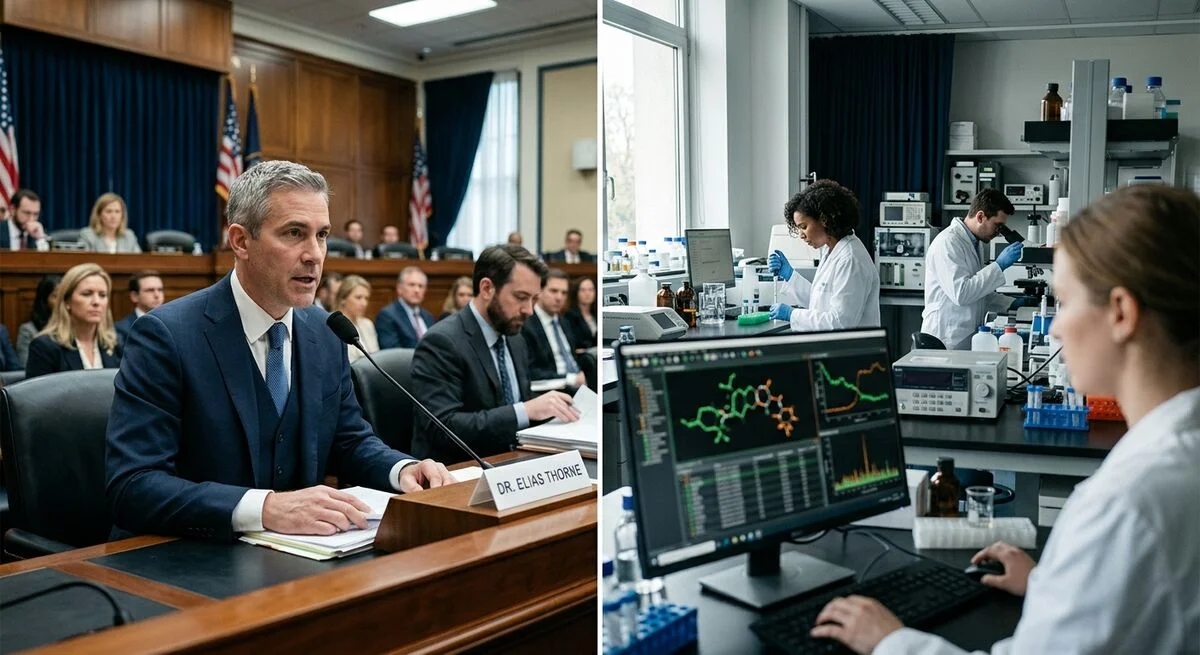
Anthropic, the maker of the Claude family of models, spent six months warning publicly about the civilizational risks of AI more loudly than any other company in the industry. The story ended differently than expected: the government used those warnings as an argument against Anthropic itself.
Six months of escalating alarms
Over the past six months, Anthropic bet on openness about safety. The company published a 19,000-word essay, an extended description of scenarios in which AI could undermine civilization. It was one of the most detailed public documents of its kind in the history of the technology industry.
The narrative rested on a specific logic: Anthropic admits risks more honestly than its competitors, so it is the one that can be trusted to build the most powerful systems. Safety was supposed to become a competitive advantage.
At the same time, the company began weakening its own internal safety commitments. That contradiction, loud external warnings alongside a quiet softening of internal restrictions, became the key vulnerability in its position.
How the warnings turned against it
The regulatory logic worked in reverse. The more convincingly Anthropic described the threats, the easier it became for governments to adopt restrictive decisions. When a developer publicly admits that its technology carries civilizational risks, that is a strong argument for any regulator.
- The 19,000-word essay documented specific catastrophe scenarios
- The weakening of safety commitments created the appearance of double standards
- The company was given a special status in the regulatory context
- The government decided to revoke access to Anthropic's models
- The precedent drew wide attention across the industry
The result was bitter: a company that built its reputation on caring about safety became a victim of its own openness.
The honest developer's dilemma
"No company in the industry has done more to warn society about the danger of the technology it is building.
And none has seen those warnings turn against it so harshly," writes The Next Web.
Anthropic's situation exposes a fundamental contradiction for any AI developer: admit risks openly, or protect the business? Those who tell the truth risk becoming victims of their own honesty. Those who stay silent lose public trust and sooner or later face the same regulatory consequences.
Weakening internal commitments in the middle of the loudest public call for safety looked especially vulnerable: that very combination handed critics and regulators a ready-made narrative about a gap between words and actions.
What it means
Anthropic's story may change the behavior of the entire industry. Openly acknowledging risks, which until recently was seen as a sign of responsibility, has now become a regulatory risk. Companies will most likely become more careful in their public statements about potential threats.
That is bad news for transparency in the AI industry and good news for corporate lawyers.
- Nov 1, 2026OpenAI Rewrites GPT Behavior Rules: Five Values and a Chain of Command
- Nov 1, 2026Google admits AI Mode cuts search revenue, shares fall 15%
- Oct 31, 2026Author puts his script before an AI jury: the verdict cost 850 thousand tokens
- Oct 31, 2026Anthropic: Fold Subagents Back Into a Single Loop — One Customer's Tasks Ran Twice as Fast
Key Questions Answered
What are the key details on Six months of escalating alarms?
Over the past six months, Anthropic bet on openness about safety. The company published a 19,000-word essay, an extended description of scenarios in which AI could undermine civilization. It was one of the most detailed public documents of its kind in the history of the technology industry. The narrative rested on a specific logic: Anthropic admits risks more honestly than its competitors, so it is the one that can be trusted to build the most powerful systems. Safety was supposed to become a competitive advantage. At the same time, the company began weakening its own inter
How the warnings turned against it?
The regulatory logic worked in reverse. The more convincingly Anthropic described the threats, the easier it became for governments to adopt restrictive decisions. When a developer publicly admits that its technology carries civilizational risks, that is a strong argument for any regulator. The 19,000-word essay documented specific catastrophe scenarios The weakening of safety commitments created the appearance of double standards The company was given a special status in the regulatory context The government decided to revoke access to Anthropic's models The precedent drew
What are the key details on The honest developer's dilemma?
"No company in the industry has done more to warn society about the danger of the technology it is building. And none has seen those warnings turn against it so harshly," writes The Next Web. Anthropic's situation exposes a fundamental contradiction for any AI developer: admit risks openly, or protect the business? Those who tell the truth risk becoming victims of their own honesty. Those who stay silent lose public trust and sooner or later face the same regulatory consequences. Weakening internal commitments in the middle of the loudest public call for safety looked espec
Test Frontier LLMs & Autonomous Agents in One Workspace
Run Claude Opus 5.5, GPT-6, Gemini 3.1, and DeepSeek side-by-side in Nomad AI (nomadnet.ai) — unified model routing, deep research, and multimodal workflows under one subscription.
The AI world, distilled — once a week
Seven stories that actually mattered, hand-picked. No noise, no reposts, no press releases.
Done! Check your inbox for a confirmation.