Prosus launches ToqanClaw, a business app builder for five million sellers
Prosus has launched ToqanClaw, a tool that lets its five million sellers build apps, dashboards and automations in plain language. You describe the task in words and get a working tool back. The group argues that small businesses, such as restaurants and shops, have been bypassed by AI longer than anyone else. ToqanClaw is a conversational builder, not a free-form chat with a language model. It assembles tools from a set of components: tables, forms, notifications, and integrations with payment systems and inventory management. Prosus's edge is data: it already holds sellers' payment history, orders and deliveries. If ToqanClaw catches on, it could set a standard for platforms worldwide that serve millions of small sellers.
AI-processed from TNW; edited by Hamidun News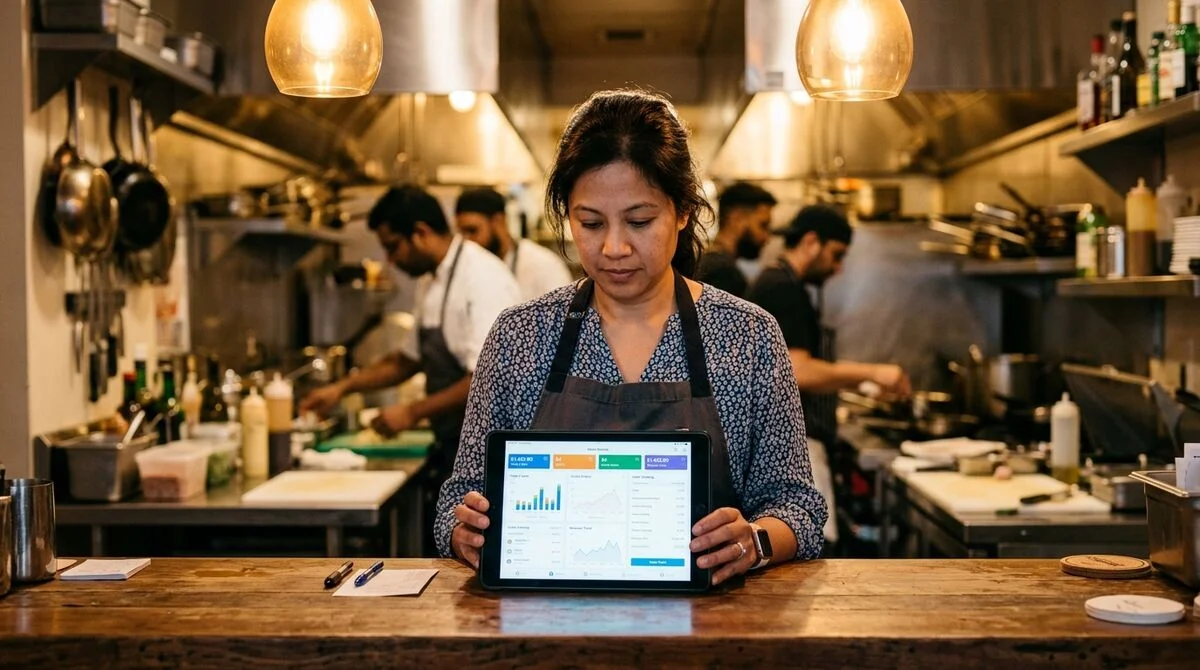
Prosus, an Amsterdam-based holding company whose portfolio ranges from payment services to food and retail marketplaces, has launched ToqanClaw, a platform for building apps, dashboards and automations without code. The principle is a conversational interface: you describe the task in words, as you would explain it to a colleague, and get a working tool.
What ToqanClaw can do
The platform has neither a visual drag-and-drop builder nor a code editor. There is only dialogue. Want a dashboard with daily revenue by location? Describe it in one sentence. Need an automatic order to a supplier when stock falls below a threshold? Say so in words, the way you would explain the situation at a team meeting.
The system is designed for people who have never worked in no-code editors and do not write prompts in ChatGPT. Prosus describes ToqanClaw as an OpenClaw-like builder: not a free-form chat with a language model, but a structured conversational interface on top of a set of components, including tables, forms, notifications, and integrations with payment systems and inventory management. The user describes the logic of the task, and the platform assembles a ready-made tool for it.
Who it was built for
Prosus works with roughly five million sellers: restaurants, small shops and local marketplaces. ToqanClaw was launched for them. The group says outright that small businesses have been left out of the AI revolution longer than anyone else.
The reason is clear. Large automation platforms require a developer or a technical team. Simple tools are not flexible enough for real operational tasks. ToqanClaw tries to close that gap: powerful enough for real work, simple enough for the owner of a restaurant or shop with no IT specialist on staff.
This is the same problem small businesses face everywhere, from accounting to staff management. AI promised to solve it, but the tools available so far demand either a development budget or hours of learning.
Tasks the platform targets:
- Dashboards with sales, orders and revenue in real time
- Automatic notifications to suppliers when stock is low
- Daily and weekly reports without manual data consolidation
- Management of reservations, staff shifts and inventory
- Data from different sources combined in one workspace
Why Prosus has an advantage
ToqanClaw does not operate in a vacuum: Prosus already has sellers' data, including payment history, orders and deliveries. That is the key difference from general-purpose no-code platforms such as Zapier or Make, where you first have to spend hours setting up integrations and importing data. Here the data is already inside.
The user arrives with a task, not with a set of scattered accounts in different services that still have to be linked together.
Large platforms, including Shopify, PayPal and now Prosus, are increasingly building conversational AI into their own products. The logic is the same everywhere: people use a built-in tool and ignore an external one. Adoption friction is lower, there is more data for personalization, and the path from idea to result is shorter.
What this means
Small business is becoming the next front for AI tools. Prosus is betting that restaurateurs and small shop owners are a huge audience that proper automation has not yet reached. If ToqanClaw takes hold, it could set a standard for platforms around the world that work with millions of small sellers.
- Nov 1, 2026Local models lose to Opus and Codex: 0.21 on a MacBook versus 1.00 for Codex
- Nov 1, 2026Kimi scores 96.2% on a 1C database analytics test and emerges as a fallback if Claude access is blocked
- Nov 1, 2026OpenAI Rewrites GPT Behavior Rules: Five Values and a Chain of Command
- Nov 1, 2026Google admits AI Mode cuts search revenue, shares fall 15%
Key Questions Answered
What ToqanClaw can do?
The platform has neither a visual drag-and-drop builder nor a code editor. There is only dialogue. Want a dashboard with daily revenue by location? Describe it in one sentence. Need an automatic order to a supplier when stock falls below a threshold? Say so in words, the way you would explain the situation at a team meeting. The system is designed for people who have never worked in no-code editors and do not write prompts in ChatGPT. Prosus describes ToqanClaw as an OpenClaw-like builder: not a free-form chat with a language model, but a structured conversational interface
Who it was built for?
Prosus works with roughly five million sellers: restaurants, small shops and local marketplaces. ToqanClaw was launched for them. The group says outright that small businesses have been left out of the AI revolution longer than anyone else. The reason is clear. Large automation platforms require a developer or a technical team. Simple tools are not flexible enough for real operational tasks. ToqanClaw tries to close that gap: powerful enough for real work, simple enough for the owner of a restaurant or shop with no IT specialist on staff. This is the same problem small busi
Why Prosus has an advantage?
ToqanClaw does not operate in a vacuum: Prosus already has sellers' data, including payment history, orders and deliveries. That is the key difference from general-purpose no-code platforms such as Zapier or Make, where you first have to spend hours setting up integrations and importing data. Here the data is already inside. The user arrives with a task, not with a set of scattered accounts in different services that still have to be linked together. Large platforms, including Shopify, PayPal and now Prosus, are increasingly building conversational AI into their own product
Ship AI Faster with Founders, Engineers & Weekly Architecture Reviews
Inside Vibe Club (hamidun.com/club) — weekly live masterminds with Zhemal Khamidun, Tech Radar, full LMS access, and 370+ production Claude Code skills.
The AI world, distilled — once a week
Seven stories that actually mattered, hand-picked. No noise, no reposts, no press releases.
Done! Check your inbox for a confirmation.