ChatGPT chat history used for the first time as evidence in a deadly arson case
Prosecutors used the defendant’s ChatGPT chat history as evidence in the arson case that caused the Palisades fires in Los Angeles. The logs contained prompts about generating fire, complaints about anger, and the question: “Can someone who started a fire be held liable?” The trial ended in a mistrial after jurors failed to reach a unanimous verdict.
AI-processed from The Verge; edited by Hamidun News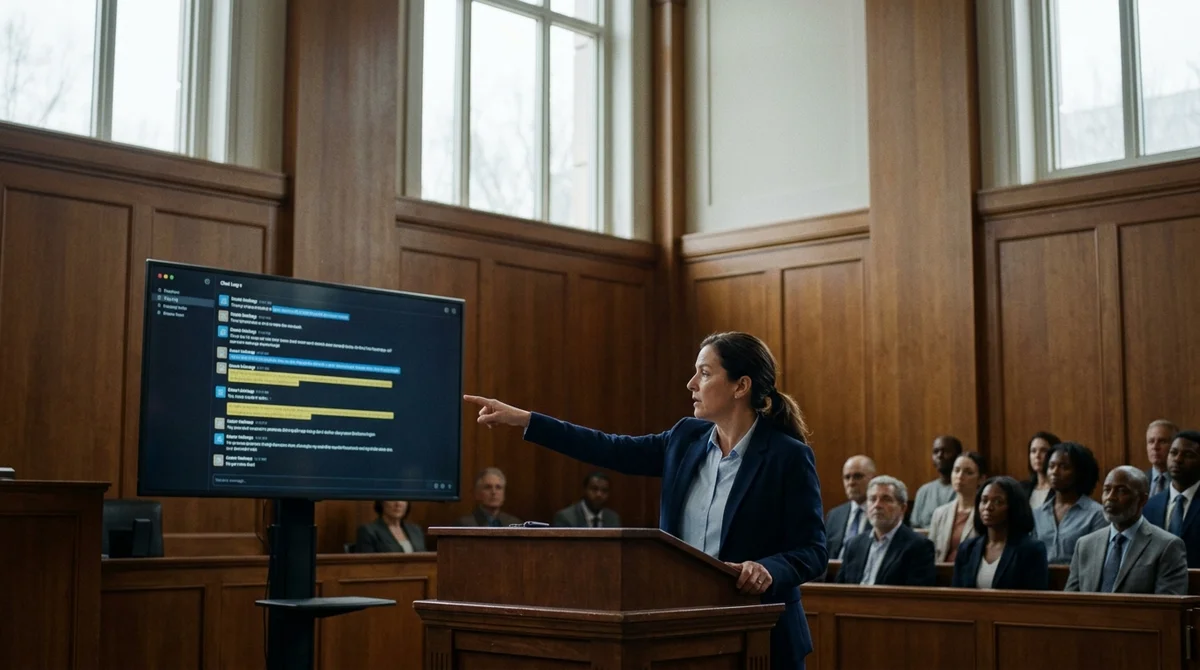
ChatGPT conversation used for the first time as evidence in case involving deadly arson fire
User's ChatGPT conversation officially used for the first time as evidence in an American criminal court — in a case involving arson that sparked one of the deadliest wildfires in Los Angeles history. The trial ended with a mistrial, but the precedent has already been set.
The Palisades Fire Case
Jonathan Rinderknecht was accused of intentional arson on January 1, 2025, in a mountainous area of Los Angeles. A small initial fire grew into a catastrophe within hours: thousands of homes destroyed, several people dead, tens of thousands of residents evacuated. Damage is estimated in the billions of dollars — the Palisades fire became one of California's most destructive fires.
Prosecutors built their case on traditional evidence: iPhone geolocation data placed Rinderknecht at the fire's origin, surveillance cameras showed his movements, witnesses confirmed his presence. However, to all this was added an atypical element — the history of his ChatGPT conversation.
What They Found in the Logs
According to prosecutors, Rinderknecht actively used the chatbot in the days preceding the fire. Prosecutors presented the court with a conversation, characterizing it as evidence of intent:
- Requests to generate images of fire and burning objects
- Personal question to the chatbot: "Why am I always so angry?"
- Detailed reasoning about how wealthy people "destroy the world"
- Screen recording in which the defendant asked ChatGPT: can a person be held liable for fire if they set it themselves?
The last question particularly interested prosecutors. According to their version, it shows that Rinderknecht was considering the legal consequences of his actions before committing them — that is, he acted deliberately.
A New Type of Digital Evidence
As far as is known, this is one of the first cases in the US where a conversation history with an AI chatbot was officially presented in court as evidence. Previously, technological evidence involved messengers, email, or search query history. ChatGPT added a fundamentally new type of data to this list. The difference is significant: people write to chatbots things they would never enter into a search engine — personal experiences, fears, plans. This very candor makes logs a sensitive source for investigators. Meanwhile, OpenAI cooperates with law enforcement when a court warrant is present, and most users don't think about this.
"People talk to
ChatGPT like a diary or psychotherapist, not thinking that these records are stored and can be requested by investigators," warn human rights defenders.
Despite all this, the trial ended in mistrial: the jury could not reach a unanimous decision. A new trial is possible, but the legal weight of ChatGPT logs as evidence of intent has not yet been officially established.
What This Means
The Rinderknecht case is a clear signal: everything written in an AI chatbot can potentially end up in criminal case materials. For users — a reason to study privacy settings and the option to disable chat history. For lawyers and AI companies — a signal that the legal status of conversations with AI requires consideration: a precedent has been set, and the next trial may consolidate it definitively.
Need AI working inside your business — not just in your newsfeed?
I build production AI for companies — custom CRM, internal tools, autonomous agents, workflow automation. Owned by you, shaped to your process, no per-seat tax. Built by Zhemal Khamidun, CPO of AlpinaGPT (AI platform, 6,000+ users).
The AI world, distilled — once a week
Seven stories that actually mattered, hand-picked. No noise, no reposts, no press releases.
Done! Check your inbox for a confirmation.