Stripe, Anthropic and OpenAI Fund a Push Against Respiratory Infections
Stripe (the Collison brothers), Anthropic and OpenAI have joined forces to fund a new project against respiratory infections. The common cold hits everyone several times a year, and there is still no reliable vaccine for it. Tech companies are putting more and more money into biomedical research that traditional pharma has ignored for years. The project targets an area where humanity still has no dependable weapon, and the three backers argue that private capital can fill the gap.
AI-processed from MIT Technology Review; edited by Hamidun News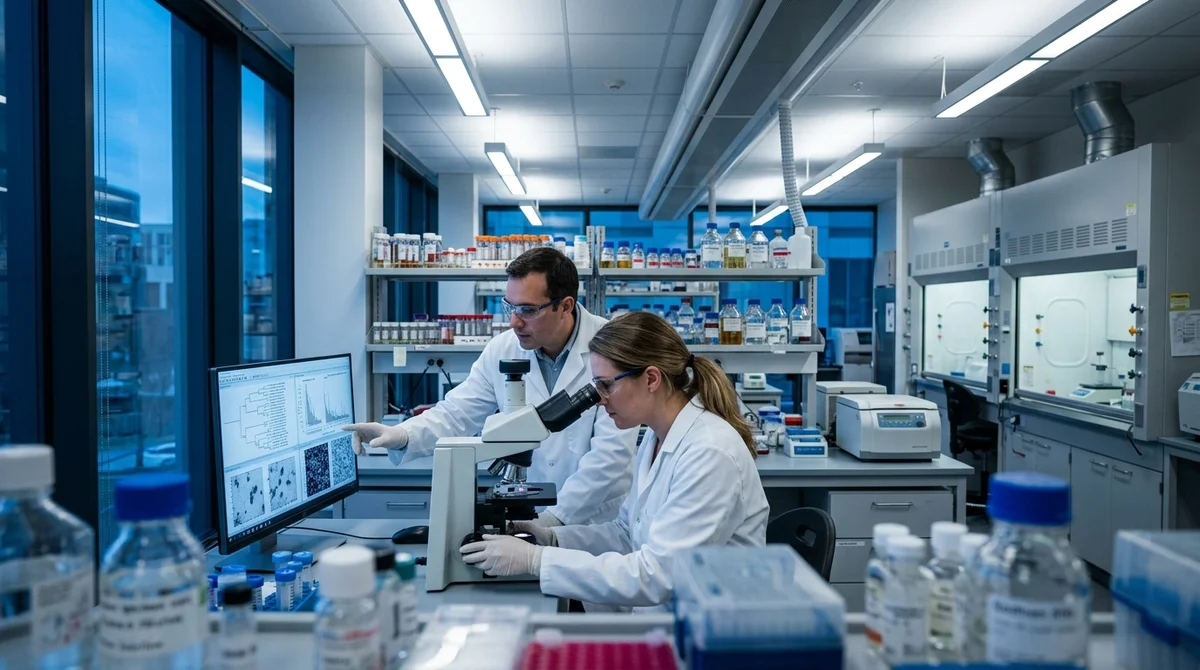
Stripe, together with the AI labs Anthropic and OpenAI, has backed a new initiative to prevent respiratory infections, an area where humanity still has no reliable weapon.
The problem everyone ignores
The common cold is the most widespread infection on the planet. The average adult catches it two to four times a year, and a child up to eight times. Despite decades of research, there is no vaccine or reliable preventive treatment. The most you can do right now is take vitamin C and keep away from sneezing colleagues. Rhinoviruses, adenoviruses and coronaviruses mutate constantly, which makes a universal defense extremely hard to develop.
The economic damage from colds in the US is estimated at tens of billions of dollars a year: missed work, lost productivity, doctor visits. The problem was long considered "too small" for serious investment, and that created a vacuum that private capital is now entering.
Who is putting up the money, and why
Stripe, the payments company of brothers Patrick and John Collison, has announced funding for a new research project in this field. Anthropic and OpenAI, the two leading players in AI, which in recent years have moved ever further beyond software, have joined the initiative.
Stripe already has experience funding science in unconventional ways. Through its Stripe Climate program, the company put money into CO₂ capture technologies when that market was in its infancy. The same logic applies to biomedical research: find an unsolved, underfunded problem and back it before it goes mainstream.
For Anthropic and OpenAI, taking part in medical projects is part of a strategy to demonstrate the practical value of AI. Both companies regularly point to the potential of their models in healthcare, and backing a specific research effort is a way to move from declarations to action.
How AI is changing medical research
AI models have already proved their worth in medicine: AlphaFold predicted the structures of almost all known proteins, and new models are speeding up the search for antiviral candidates. For respiratory infections, AI's capabilities include:
- Predicting viral mutations and assessing the risk of immune escape
- Analyzing millions of molecular candidates in days instead of years of laboratory trial and error
- Personalized forecasts of who is at risk of severe illness
- Speeding up clinical trials with synthetic data
- Identifying new drug targets that traditional methods missed
If even some of these capabilities deliver results against rhinoviruses, it will change the very logic of antiviral drug development.
What this means
The arrival of a Stripe, Anthropic and OpenAI alliance in medical research is another sign that the line between the tech and biomedical sectors is blurring. For decades the common cold remained an annoying trifle that nobody hurried to tackle seriously. Now resources and tools that researchers simply did not have before are being pointed at the problem.
- Nov 1, 2026Kimi scores 96.2% on a 1C database analytics test and emerges as a fallback if Claude access is blocked
- Nov 1, 2026OpenAI Rewrites GPT Behavior Rules: Five Values and a Chain of Command
- Nov 1, 2026Google admits AI Mode cuts search revenue, shares fall 15%
- Oct 31, 2026Author puts his script before an AI jury: the verdict cost 850 thousand tokens
Key Questions Answered
What are the key details on The problem everyone ignores?
The common cold is the most widespread infection on the planet. The average adult catches it two to four times a year, and a child up to eight times. Despite decades of research, there is no vaccine or reliable preventive treatment. The most you can do right now is take vitamin C and keep away from sneezing colleagues. Rhinoviruses, adenoviruses and coronaviruses mutate constantly, which makes a universal defense extremely hard to develop. The economic damage from colds in the US is estimated at tens of billions of dollars a year: missed work, lost productivity, doctor visi
Who is putting up the money, and why?
Stripe, the payments company of brothers Patrick and John Collison, has announced funding for a new research project in this field. Anthropic and OpenAI, the two leading players in AI, which in recent years have moved ever further beyond software, have joined the initiative. Stripe already has experience funding science in unconventional ways. Through its Stripe Climate program, the company put money into CO₂ capture technologies when that market was in its infancy. The same logic applies to biomedical research: find an unsolved, underfunded problem and back it before it go
How AI is changing medical research?
AI models have already proved their worth in medicine: AlphaFold predicted the structures of almost all known proteins, and new models are speeding up the search for antiviral candidates. For respiratory infections, AI's capabilities include: Predicting viral mutations and assessing the risk of immune escape Analyzing millions of molecular candidates in days instead of years of laboratory trial and error Personalized forecasts of who is at risk of severe illness Speeding up clinical trials with synthetic data Identifying new drug targets that traditional methods missed If e
Test Frontier LLMs & Autonomous Agents in One Workspace
Run Claude Opus 5.5, GPT-6, Gemini 3.1, and DeepSeek side-by-side in Nomad AI (nomadnet.ai) — unified model routing, deep research, and multimodal workflows under one subscription.
The AI world, distilled — once a week
Seven stories that actually mattered, hand-picked. No noise, no reposts, no press releases.
Done! Check your inbox for a confirmation.