AI Is Helping Scammers: Fake World Cup 2026 Tickets Are Harder to Tell from Real Ones
Ahead of the 2026 World Cup, scammers have armed themselves with generative AI. Lookalike FIFA sites, fake tickets with QR codes and deepfake videos of "official" representatives have become routine. The number of phishing attacks has already risen sharply, and telling a fake from the original is now beyond many fans.
AI-processed from Wired; edited by Hamidun News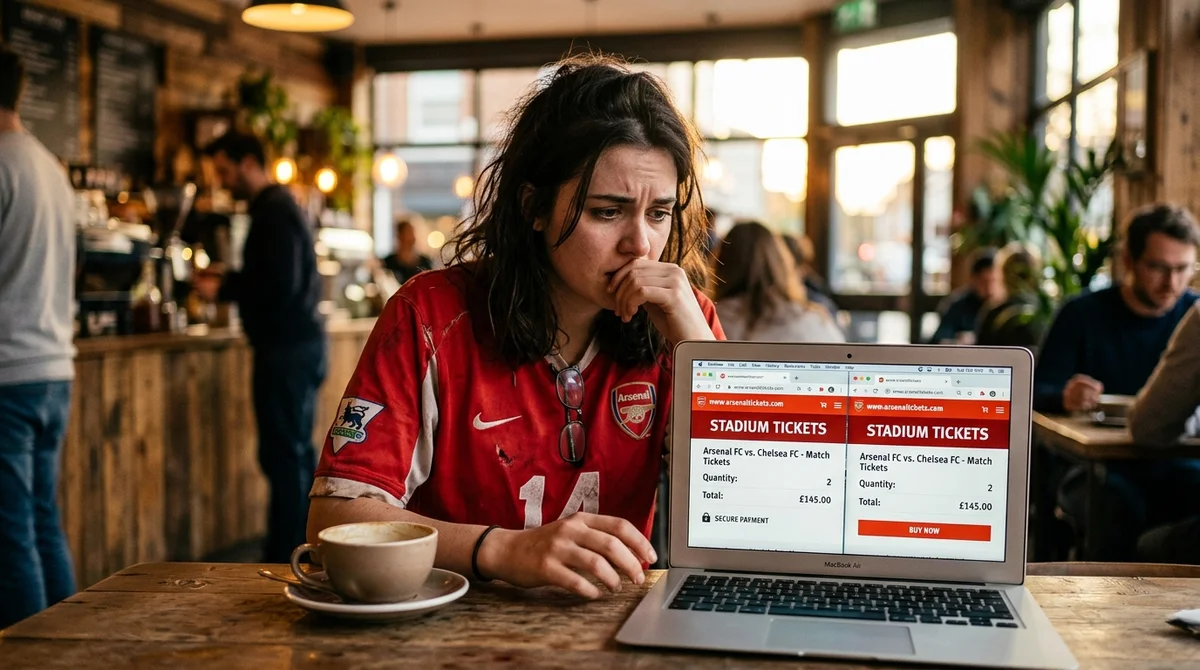
As the 2026 FIFA World Cup approaches, scammers are moving up a level: AI tools let them produce convincing fakes faster and more cheaply than ever. Telling a fake site from a real one is becoming a job for a professional, not for the average fan.
The scammers' new arsenal
Generative AI has sharply lowered the barrier to entry into fraud. Building a plausible phishing site used to take web development skills and considerable time. Today a few prompts are enough to get a clone of an official FIFA page in minutes, with the same fonts, logos and convincing payment forms.
Fraud schemes have become more varied and more sophisticated:
- Lookalike sites with slightly altered URLs, for example fifa-official2026.com instead of fifa.com
- AI-generated QR codes on "tickets" that lead to phishing payment pages
- Deepfake videos of "official" FIFA representatives promoting ticket lotteries
- Chatbots that imitate customer support and collect bank card details under the guise of verification
- Fake mobile apps carrying the World Cup logo on third-party platforms
Why fans fall for it
Demand for World Cup 2026 tickets is enormous: three host countries, the US, Canada and Mexico, will host 48 teams, making it the largest tournament in history. When official sales are scheduled months ahead and legitimate resale is restricted, buyers inevitably turn to third-party sources.
"People want to get into a match so badly that they are willing to take risks.
That is exactly the psychology scammers exploit," cybercrime experts note.
Urgency tactics help too: "last seats" schemes and "offers that expire in an hour" leave victims no time to check the seller. The tournament's global reach adds another factor: fans from dozens of countries face unfamiliar consumer protection laws and do not know where to turn if they are cheated.
How to avoid getting scammed
Cybersecurity experts agree on several key recommendations:
- Official channel only: buy through FIFA's verified site and authorized partners
- Check URLs manually: do not click links in emails and messengers; type the address yourself
- Avoid cryptocurrency and direct transfers: payment without the possibility of a chargeback makes getting your money back almost impossible
- Check domain spelling: fake sites often contain subtle typos
- Do not trust social media: Instagram and Telegram have become the main marketplaces for fakes
Be especially careful with offers that appear right after official FIFA announcements: scammers launch campaigns in sync with news waves to look like part of them.
What this means
AI has finally blurred the line between real and fake for the ordinary user. Major sporting events have always attracted scammers, but World Cup 2026 creates a perfect storm: record tournament scale, years of ticket scarcity, and imitation tools available to practically anyone. Fans will have to apply paranoid skepticism and treat any "bargain" link as a threat by default.
*Meta has been designated an extremist organization and is banned in Russia.
- Nov 1, 2026MoneyGate safety layer blocked all 42 fraudulent requests to local AI models
- Oct 31, 2026Open-source LLM gateway KTMS 1.0 plugs your own GPUs into the cloud and survives outages
- Oct 31, 202622B-Parameter LTX-2.5 Runs on a 10 GB RTX 3080, but Takes 5 Minutes per Shot
- Oct 29, 2026T-Tech Introduces LIMe, a Method That Trains Language Models With 15% Less Compute
Key Questions Answered
What are the key details on The scammers' new arsenal?
Generative AI has sharply lowered the barrier to entry into fraud. Building a plausible phishing site used to take web development skills and considerable time. Today a few prompts are enough to get a clone of an official FIFA page in minutes, with the same fonts, logos and convincing payment forms. Fraud schemes have become more varied and more sophisticated: Lookalike sites with slightly altered URLs, for example fifa-official2026.com instead of fifa.com AI-generated QR codes on "tickets" that lead to phishing payment pages Deepfake videos of "official" FIFA representativ
Why fans fall for it?
Demand for World Cup 2026 tickets is enormous: three host countries, the US, Canada and Mexico, will host 48 teams, making it the largest tournament in history. When official sales are scheduled months ahead and legitimate resale is restricted, buyers inevitably turn to third-party sources. "People want to get into a match so badly that they are willing to take risks. That is exactly the psychology scammers exploit," cybercrime experts note. Urgency tactics help too: "last seats" schemes and "offers that expire in an hour" leave victims no time to check the seller. The tour
How to avoid getting scammed?
Cybersecurity experts agree on several key recommendations: Official channel only: buy through FIFA's verified site and authorized partners Check URLs manually: do not click links in emails and messengers; type the address yourself Avoid cryptocurrency and direct transfers: payment without the possibility of a chargeback makes getting your money back almost impossible Check domain spelling: fake sites often contain subtle typos Do not trust social media: Instagram and Telegram have become the main marketplaces for fakes Be especially careful with offers that appear right af
Test Frontier LLMs & Autonomous Agents in One Workspace
Run Claude Opus 5.5, GPT-6, Gemini 3.1, and DeepSeek side-by-side in Nomad AI (nomadnet.ai) — unified model routing, deep research, and multimodal workflows under one subscription.
The AI world, distilled — once a week
Seven stories that actually mattered, hand-picked. No noise, no reposts, no press releases.
Done! Check your inbox for a confirmation.