SpaceX is leasing out all of its Colossus 1 data center after its engineers struggled to run it
SpaceX is leasing out its entire Colossus 1 compute center in Tennessee. The reason is unexpected: the company's engineers ran into technical problems operating the data center and never found a better use for it. With GPU capacity in extremely short supply, the move looks paradoxical. But SpaceX chose to monetize a troubled asset rather than keep struggling with it.
AI-processed from 3DNews AI; edited by Hamidun News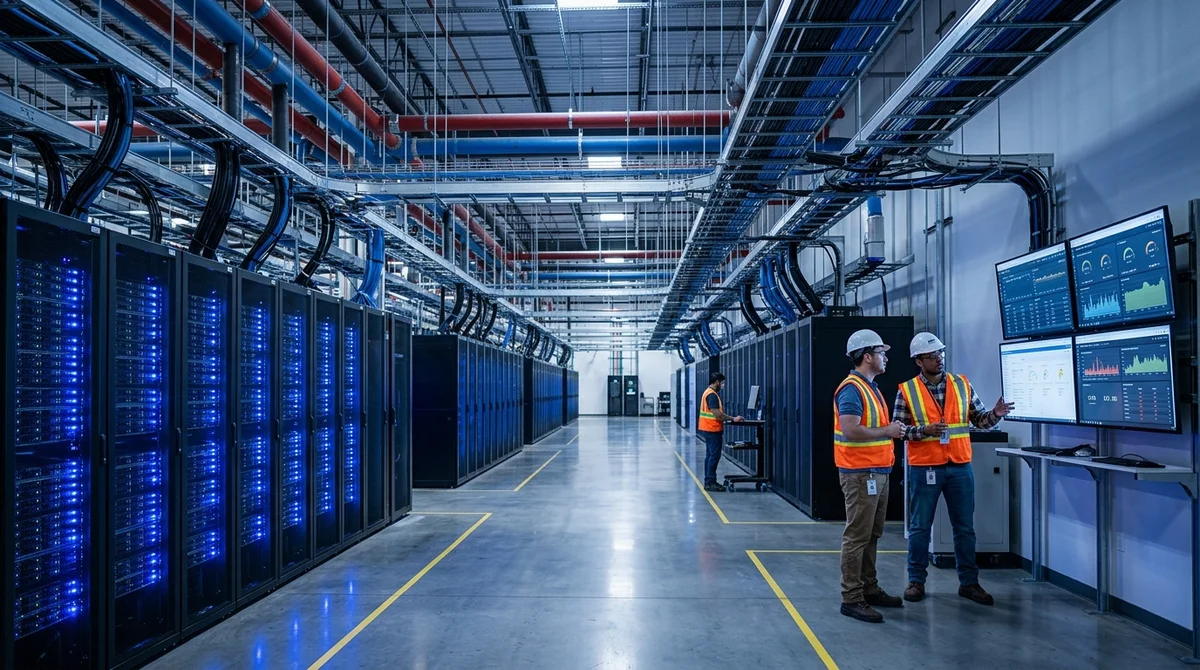
SpaceX has made an unexpected call: it will lease out its entire Colossus 1 compute center in Tennessee. With a severe global shortage of compute, the decision looks counterintuitive, but the company had specific and compelling reasons for it.
Technical problems forced the decision
SpaceX engineers ran into serious difficulties operating Colossus 1 on their own. Running a large data center is a separate engineering discipline, fundamentally different from designing rockets or satellites. Despite its world-class technical teams, the company could not build up enough of the operational expertise it needed.
SpaceX leadership ultimately reached a pragmatic conclusion: handing the compute center to professional operators makes more financial sense than continuing to absorb losses from inefficient management. Put simply, the company didn't find a better use for Colossus 1 and decided to monetize the asset by leasing it.
That's a surprising admission from a company that builds rockets from scratch, manufactures its own Raptor engines, and runs the global Starlink satellite network. But the infrastructure business is a fundamentally different story.
A paradox in a market defined by scarcity
The current state of the compute market makes the lease decision even more unusual. GPU capacity is now one of the scarcest resources in the tech industry:
- Companies around the world wait months in line for Nvidia H100 and H200 servers.
- GPU cluster rental prices have risen several times over in the past year.
- Startups and enterprises compete for access to infrastructure for training AI models.
- New data centers get snapped up while still in the design stage, with contracts signed years before a facility opens.
In this environment, the owner of a ready-to-go compute center holds an extremely strong negotiating position. SpaceX took a different path: rather than use the capacity itself, it is handing it to operators who know how to run this kind of infrastructure efficiently.
The limits of vertical integration
SpaceX is rightly seen as the benchmark for vertical integration: the company builds almost everything in-house, which has let it cut the cost of orbital launches by an order of magnitude or more. But the Colossus 1 episode shows that every model has its limits.
Running a large data center is an operational discipline in its own right. Managing cooling systems, uninterruptible power, network infrastructure, and 24/7 server maintenance takes specialized experience that Amazon, Google, and Microsoft spent decades building.
"Building a facility and running it efficiently are fundamentally different tasks" — that's exactly what
SpaceX learned firsthand with Colossus 1.
Acknowledging that and leasing out the asset is a mature business decision. The company will collect steady rental income instead of operational losses and technical headaches.
What it means
Colossus 1 will hit the commercial compute market at a moment of peak demand. For the industry, it's a clear example that even tech giants with exceptional engineering teams can't always master infrastructure on their own. For SpaceX, it turns a troubled asset into a source of predictable revenue.
- Nov 1, 202616 models tested on 7 search tools: Exa averaged 10.5 out of 14, SearXNG about 3
- Nov 1, 2026Google's StreamVibe video agent beats other models by 10.7% on response timing and quality
- Nov 1, 2026OpenAI Rewrites GPT Behavior Rules: Five Values and a Chain of Command
- Nov 1, 2026Voice bots built on LLMs turn to Jev, a fast classifier, for decisions in 200–500 ms
Key Questions Answered
What are the key details on Technical problems forced the decision?
SpaceX engineers ran into serious difficulties operating Colossus 1 on their own. Running a large data center is a separate engineering discipline, fundamentally different from designing rockets or satellites. Despite its world-class technical teams, the company could not build up enough of the operational expertise it needed. SpaceX leadership ultimately reached a pragmatic conclusion: handing the compute center to professional operators makes more financial sense than continuing to absorb losses from inefficient management. Put simply, the company didn't find a better use
What are the key details on A paradox in a market defined by scarcity?
The current state of the compute market makes the lease decision even more unusual. GPU capacity is now one of the scarcest resources in the tech industry: Companies around the world wait months in line for Nvidia H100 and H200 servers. GPU cluster rental prices have risen several times over in the past year. Startups and enterprises compete for access to infrastructure for training AI models. New data centers get snapped up while still in the design stage, with contracts signed years before a facility opens. In this environment, the owner of a ready-to-go compute center ho
What are the key details on The limits of vertical integration?
SpaceX is rightly seen as the benchmark for vertical integration: the company builds almost everything in-house, which has let it cut the cost of orbital launches by an order of magnitude or more. But the Colossus 1 episode shows that every model has its limits. Running a large data center is an operational discipline in its own right. Managing cooling systems, uninterruptible power, network infrastructure, and 24/7 server maintenance takes specialized experience that Amazon, Google, and Microsoft spent decades building. "Building a facility and running it efficiently are f
Test Frontier LLMs & Autonomous Agents in One Workspace
Run Claude Opus 5.5, GPT-6, Gemini 3.1, and DeepSeek side-by-side in Nomad AI (nomadnet.ai) — unified model routing, deep research, and multimodal workflows under one subscription.
The AI world, distilled — once a week
Seven stories that actually mattered, hand-picked. No noise, no reposts, no press releases.
Done! Check your inbox for a confirmation.