MANGOS Replaces FAANG: Anthropic, OpenAI and Nvidia Lead the IPO Wave
The IPO market is back, and FAANG no longer sets the tone. The new acronym is MANGOS: Meta (or Microsoft), Anthropic, Nvidia, Google, OpenAI and SpaceX. Half of these six are heading for the stock exchange within the same time window, which puts unusual pressure on the market. Investors will have to value several companies at hundreds of billions of dollars at once, with practically no track record of profit. *Meta is designated an extremist organization and banned in Russia.
AI-processed from TechCrunch; edited by Hamidun News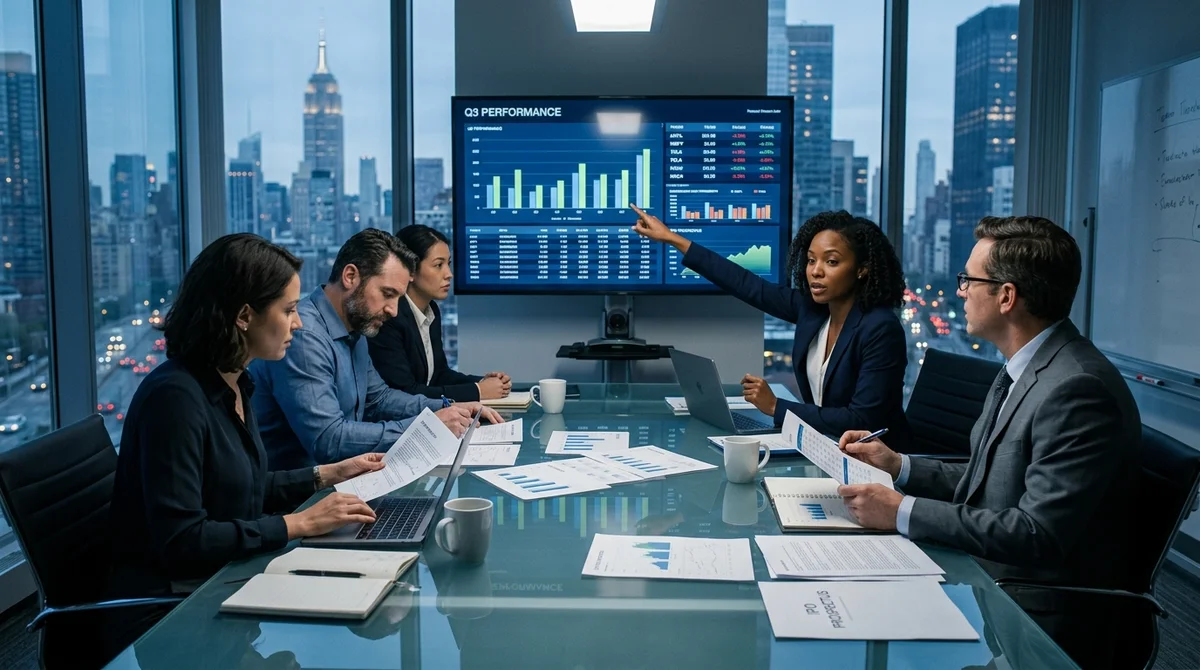
The initial public offering market is waking up after a two-year freeze, and this time it is led not by the old FAANG guard but by a new club of tech giants known by the acronym MANGOS.
What MANGOS means and why it matters
MANGOS stands for Meta (or Microsoft — analysts disagree), Anthropic, Nvidia, Google, OpenAI and SpaceX. This is not just another piece of financial wordplay: each of the six companies sits at the center of the AI revolution, and together they will set the agenda for public markets for years to come.
The FAANG acronym — Facebook, Apple, Amazon, Netflix, Google — dominated the investment vocabulary for more than a decade. It became shorthand for the most valuable and promising names in tech, and a benchmark for pension funds and retail investors worldwide. Now that label is going out of date. Apple and Netflix are seen as mature, predictable businesses rather than engines of the next technological era. OpenAI, Anthropic and SpaceX are a different story altogether: companies with enormous uncertainty, but also the potential to reshape entire industries.
Half of MANGOS is heading for the exchange at once
Three of the six companies in the acronym are preparing for IPOs in a narrow time window, which is what makes the situation unprecedented for financial markets.
- OpenAI shifted to a for-profit structure in 2025, removing the main legal barrier to going public. Based on its latest funding rounds, the company is valued at $300 billion or more, which would make it one of the largest IPOs in the history of the US market.
- Anthropic, the developer of the Claude model, has raised tens of billions of dollars from Google and Amazon. The company is still avoiding the public eye, but pressure from early investors who want liquidity and an exit is growing every quarter.
- SpaceX formally remains private, but rumors are circulating in the market about a possible spin-off of Starlink as a separate public company, which would in effect be a partial IPO of the whole group.
The situation is different for Nvidia and Google: both have long been publicly traded. But they are the key beneficiaries of the AI boom and set the valuation benchmarks that the newcomers will be measured against.
Why this is a stress test for investors
The simultaneous listing of several ultra-expensive companies creates unusual pressure on the market. Institutional funds have to reallocate capital for several large offerings at once. Retail investors compete for limited allocations in hot IPOs. Analysts will have to justify valuations for companies that either have no profit at all or have only recently begun to make one.
Inflated expectations add further risk. When an IPO takes place at the peak of hype, the post-listing correction is often painful. Consider the 2021 debuts: Robinhood lost half its market capitalization within a few months of listing, and Rivian lost three quarters within a year. MANGOS companies are valued an order of magnitude higher, so the cost of a valuation mistake is incomparably greater too.
"This is the first time that several of the world's most valuable private companies are going public almost simultaneously.
This is a test not for the issuers but for the entire asset pricing system," say analysts who follow the market.
What it means
If the MANGOS IPO wave goes well, it will cement AI as a standalone infrastructure sector, with its own indices, thematic ETFs and stable allocations in pension portfolios. A failure or disappointing valuations, on the other hand, could chill the entire AI investment market for several years and call current multiples into question.
Summer 2025 risks going down in financial history as the moment the AI industry either passed its maturity test or found out it was overvalued.
*Meta is designated an extremist organization and banned in Russia.
- Nov 1, 2026Local models lose to Opus and Codex: 0.21 on a MacBook versus 1.00 for Codex
- Nov 1, 2026Kimi scores 96.2% on a 1C database analytics test and emerges as a fallback if Claude access is blocked
- Nov 1, 2026OpenAI Rewrites GPT Behavior Rules: Five Values and a Chain of Command
- Nov 1, 2026Google admits AI Mode cuts search revenue, shares fall 15%
Key Questions Answered
What MANGOS means and why it matters?
MANGOS stands for Meta (or Microsoft — analysts disagree), Anthropic, Nvidia, Google, OpenAI and SpaceX. This is not just another piece of financial wordplay: each of the six companies sits at the center of the AI revolution, and together they will set the agenda for public markets for years to come. The FAANG acronym — Facebook, Apple, Amazon, Netflix, Google — dominated the investment vocabulary for more than a decade. It became shorthand for the most valuable and promising names in tech, and a benchmark for pension funds and retail investors worldwide. Now that label is
What are the key details on Half of MANGOS is heading for the exchange at once?
Three of the six companies in the acronym are preparing for IPOs in a narrow time window, which is what makes the situation unprecedented for financial markets. OpenAI shifted to a for-profit structure in 2025, removing the main legal barrier to going public. Based on its latest funding rounds, the company is valued at $300 billion or more, which would make it one of the largest IPOs in the history of the US market. Anthropic, the developer of the Claude model, has raised tens of billions of dollars from Google and Amazon. The company is still avoiding the public eye, but p
Why this is a stress test for investors?
The simultaneous listing of several ultra-expensive companies creates unusual pressure on the market. Institutional funds have to reallocate capital for several large offerings at once. Retail investors compete for limited allocations in hot IPOs. Analysts will have to justify valuations for companies that either have no profit at all or have only recently begun to make one. Inflated expectations add further risk. When an IPO takes place at the peak of hype, the post-listing correction is often painful. Consider the 2021 debuts: Robinhood lost half its market capitalization
Ship AI Faster with Founders, Engineers & Weekly Architecture Reviews
Inside Vibe Club (hamidun.com/club) — weekly live masterminds with Zhemal Khamidun, Tech Radar, full LMS access, and 370+ production Claude Code skills.
The AI world, distilled — once a week
Seven stories that actually mattered, hand-picked. No noise, no reposts, no press releases.
Done! Check your inbox for a confirmation.