Generative AI Overloads Australian Labor Courts by 70% in Three Years
Australia's Fair Work Commission is urgently reviewing its processes as generative AI has led to an influx of lawsuits. Over three years, the commission's workload has grown by 70%. Officials found that AI tools simplify complaint filing, but the quality of many documents raises serious questions.
AI-processed from Bloomberg Tech; edited by Hamidun News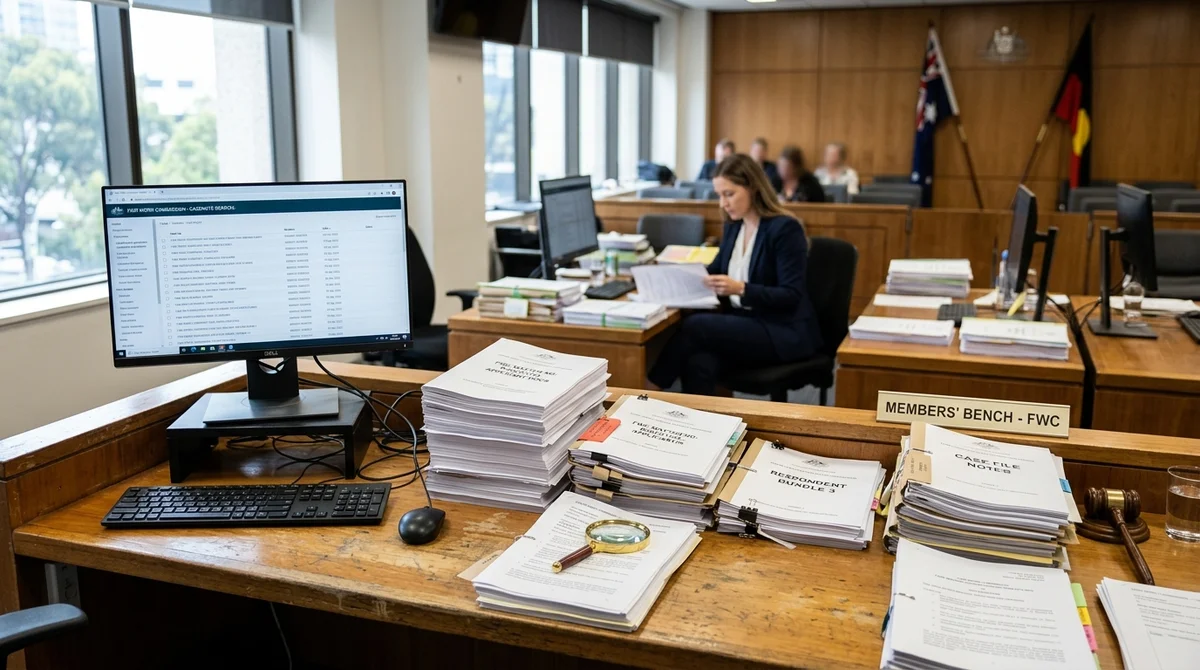
Australia's Fair Work Commission has announced an urgent review of its processes, facing an unprecedented influx of lawsuits filed using generative AI tools. Over three years, the commission's workload has grown by 70%.
How AI Increased the Workload
Generative AI has democratized access to legal tools. Previously, filing a lawsuit required hiring a lawyer or spending hours studying legislation independently. Now, simply describing a problem to ChatGPT produces a legal document within minutes. Tools like ChatGPT, Claude, and other models allow rapid generation of claims, statements, and other documents. This lowered the barrier to entry: workers can now defend their rights without lawyers. It sounds good in theory. In practice, the commission was flooded with papers. The Fair Work Commission wasn't prepared for this volume: its staff remained the same while case numbers tripled.
Quality Issues
Accessibility and accuracy diverge. Generative AI often produces formally correct but substantively flawed documents. In statements generated by models, one finds:
- Hallucinations — fabricated facts and legal statutes
- Logical errors — contradictions within a single document
- Incorrect formatting — documents that are technically unacceptable to the court
- Duplication — the same case submitted multiple times under different angles
The commission staff must review each case anew, verify sources, and determine what was written by humans versus what was invented by the AI. This requires more time, not less.
How the Commission Will Adapt
The Fair Work Commission has announced a review of its processes but hasn't specified concrete measures. There are several options: stricter requirements for filing format, hiring additional staff, or implementing AI tools on the commission's side for automatic document verification. The main challenge: the commission cannot simply close the door to AI. First, this would be unfair — not everyone can afford a lawyer. Second, it's technically impossible to control.
What This Means
Australia's story reveals the real cost of democratizing tools through AI. On one hand, workers gained access to justice. On the other, courts faced administrative overload. The question isn't whether AI is good or bad. The question is whether institutions — courts, administration, universities, hospitals — are ready for tools that scale operations 3-10 times over in just a few years. Australia is searching for answers right now. Other countries should pay close attention.
Want to stop reading about AI and start using it?
AI News is a curated feed of AI/tech news. Hamidun Academy teaches you to use AI systematically in your work.
The AI world, distilled — once a week
Seven stories that actually mattered, hand-picked. No noise, no reposts, no press releases.
Done! Check your inbox for a confirmation.