AI Adoption Hits an Infrastructure Wall: The Subsea Cable Problem
Hyperscalers are pressing Persian Gulf states to upgrade their internet infrastructure. Ship anchors and fishing nets keep knocking the region's subsea cables out of service. Demand for AI bandwidth is growing exponentially, and the current infrastructure can't keep up. Modernization will become a prerequisite for the region to stay competitive.
AI-processed from Wired; edited by Hamidun News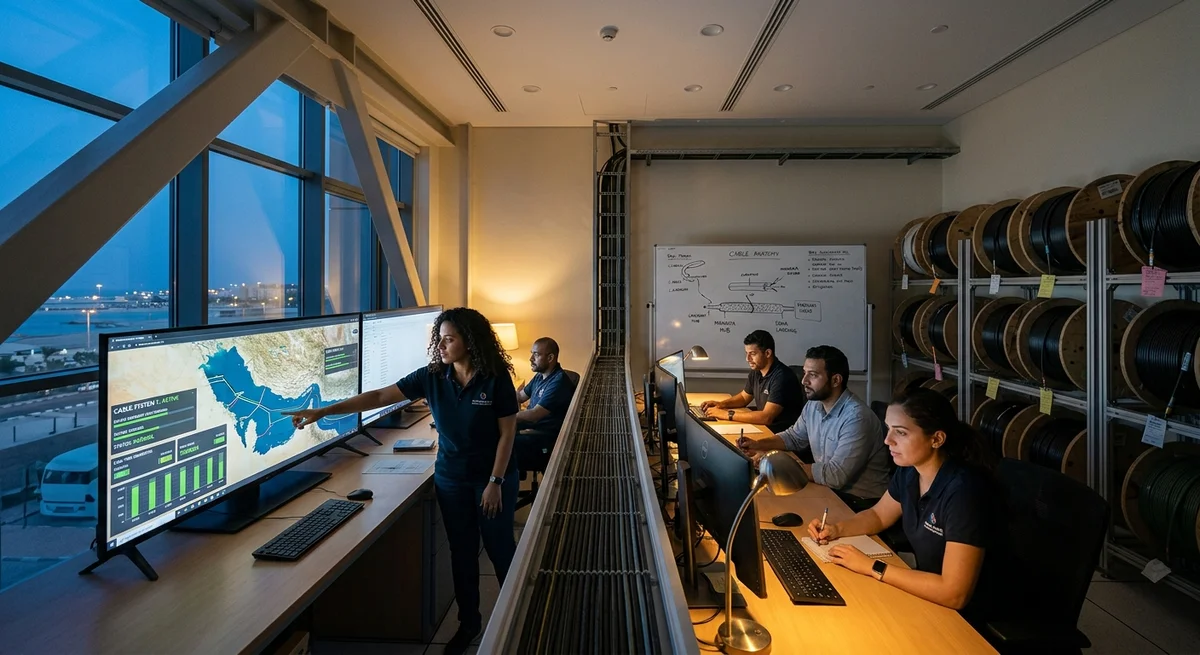
Hyperscalers are pouring more money into AI deployment across the Persian Gulf states, but they've run into a critical problem: the subsea cables that connect the region to the rest of the world keep getting damaged and are becoming a bottleneck for the new AI economy.
Why is the subsea cable problem critical for AI adoption right now?
Cable cuts used to be little more than a headache for telecom operators. But with hyperscalers arriving and investing in AI infrastructure, the issue has become critical to the growth of the AI economy.
What damages subsea cables in the Persian Gulf?
Anchors from cargo ships, trawl nets from fishing fleets, and natural events such as storms all sever the cables.
Key Questions Answered
Why is the subsea cable problem critical for AI adoption right now?
Cable cuts used to be little more than a headache for telecom operators. But with hyperscalers arriving and investing in AI infrastructure, the issue has become critical to the growth of the AI economy.
What damages subsea cables in the Persian Gulf?
Anchors from cargo ships, trawl nets from fishing fleets, and natural events such as storms all sever the cables.
Ship AI Faster with Founders, Engineers & Weekly Architecture Reviews
Inside Vibe Club (hamidun.com/club) — weekly live masterminds with Zhemal Khamidun, Tech Radar, full LMS access, and 370+ production Claude Code skills.
The AI world, distilled — once a week
Seven stories that actually mattered, hand-picked. No noise, no reposts, no press releases.
Done! Check your inbox for a confirmation.