Anthropic to spend $45 billion on SpaceX compute to develop Claude
Anthropic has signed a contract with SpaceX, paying $45 billion for compute over three years. The money will be used to train and scale Claude, a competitor to GPT-5. It is one of the largest deals between AI companies and infrastructure providers in history.
AI-processed from Bloomberg Tech; edited by Hamidun News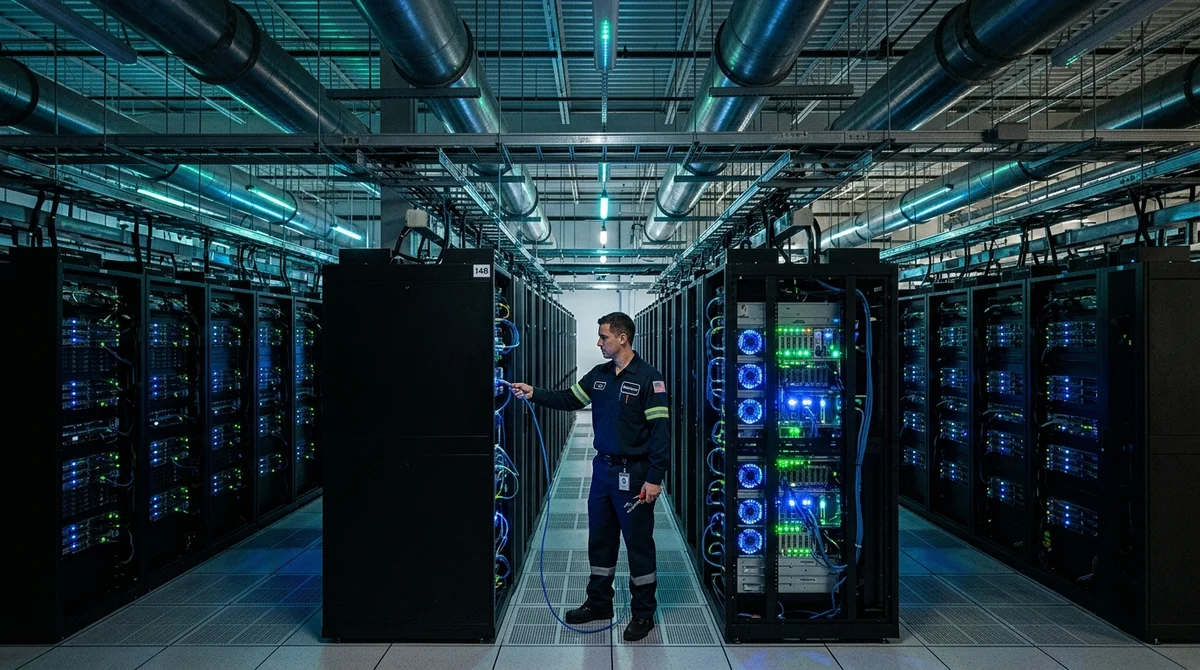
Anthropic has agreed to pay SpaceX $45 billion over three years for computational resources for its AI assistant Claude. The deal is confirmed in an official securities filing and reflects the scale of investments required to compete in the artificial intelligence market.
Deal Scale
This is one of the largest deals in the history of AI company and infrastructure provider interactions. For comparison: even the most ambitious cloud computing contracts rarely exceed several billion dollars per year. But training and operating modern LLM models requires computing power on an entirely different scale—hundreds of thousands of chips working in synchronization.
Anthropic is growing exponentially: Claude competes with GPT-5 from OpenAI, its user base is expanding, and API integrations appear in new services every month. Each growth in traffic requires proportional growth in infrastructure. $45 billion is an investment not only in current capacity but also in a reserve for the coming years, insurance against demand spikes.
The SpaceX contract is particularly interesting because the company was not previously positioned as a cloud provider. But Elon Musk owns xAI—a direct competitor to Anthropic in the AI market. Nevertheless, the deal shows that in this hypercompetitive industry, business interests intersect even between financial rivals. This is not an alliance, but pure business calculation: SpaceX has excess computing capacity, Anthropic is willing to pay, the contract is signed.
Why Computing is So Expensive
Modern large language models are not just programs, but systems that consume resources at a monstrous scale. Training a new generation of LLMs requires hundreds of thousands of hours of continuous GPU and TPU work—specialized processors costing tens of thousands of dollars each. But it's not just about training. After launching in production, Claude must serve requests from millions of users in real time, 24/7. Each of your requests requires processing on thousands of computing cores in parallel. This creates constant, growing demand for computing power.
Anthropic has several development options: build its own data centers (capital-intensive and takes years), rent capacity from giants like AWS or Google Cloud (expensive and competitive—large IT companies prioritize their own capacity), or sign a long-term contract with an independent provider. SpaceX offered a third path: guaranteed computing capacity for three years at a fixed price, which gives Anthropic long-term predictability and guarantees infrastructure scale simultaneously.
What This Means
This deal is a signal about the real cost of the AI war in 2026. Not blockchain, not NFTs, not metaverse: real money in the industry goes to hardware—servers, GPUs, energy. Companies are willing to pay tens of billions per year just for access to computing.
For SpaceX this is stable long-term income and a new business segment beyond space. For Anthropic, this is a critical advantage: controlling computing resources means controlling the pace of development and operational scale. For the industry, this is a signal: in the coming years, AI leadership is won not by companies that code best, but by those that can afford to pay billions for hardware and electricity.
Build & Ship Production AI Apps with Vibe Coding
Join Zhemal Khamidun's hands-on Vibe Coding Intensive at hamidun.com/vibecoding — master Claude Code, Cursor, and autonomous agentic workflows.
The AI world, distilled — once a week
Seven stories that actually mattered, hand-picked. No noise, no reposts, no press releases.
Done! Check your inbox for a confirmation.