Anthropic Signs Contract with SpaceX for 300 MW Power and Increases Claude Limits
Anthropic has signed a contract with SpaceX for access to the Colossus 1 data center with 300 MW of power and over 220,000 NVIDIA GPUs. Simultaneously, the…
AI-processed from Anthropic Blog; edited by Hamidun News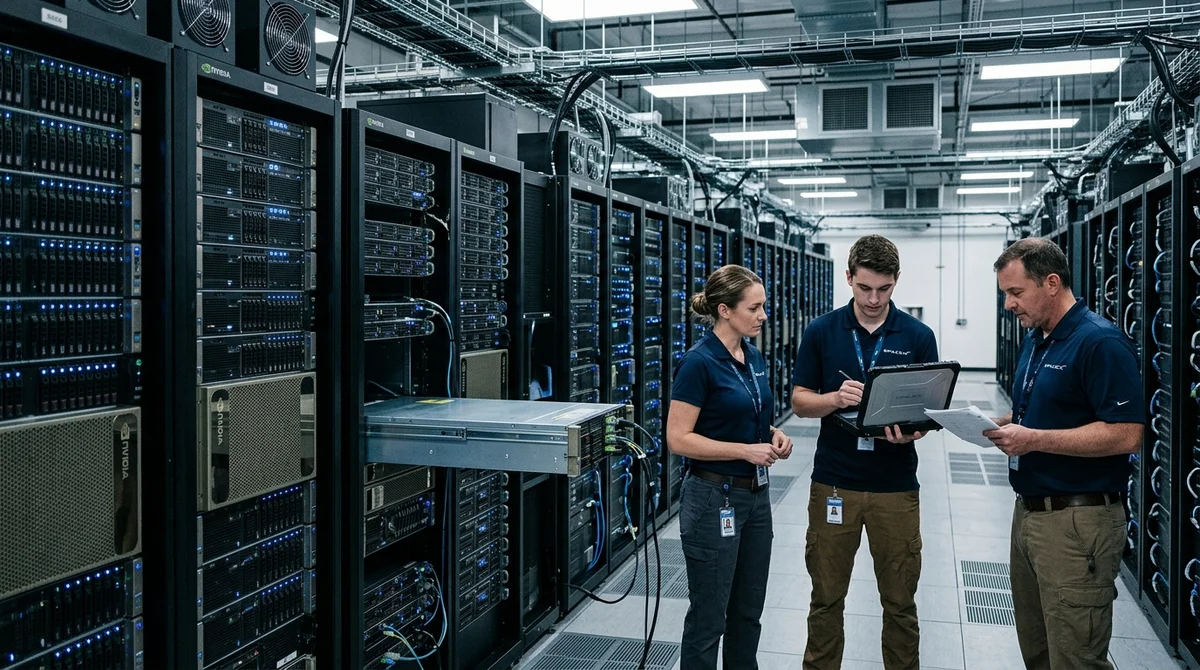
Anthropic is significantly expanding its computational infrastructure: the company signed a contract with SpaceX for access to the Colossus 1 data center with over 300 megawatts of power. At the same time, Anthropic has increased usage limits for Claude for all user groups to ensure stable service for the growing number of developers, startups, and corporate organizations.
SpaceX Deal Changes the Landscape
SpaceX will provide Anthropic with full access to the computing power of the Colossus 1 data center—one of the company's largest data centers, designed to house thousands of servers and GPUs. The deal provides access to more than 220,000 NVIDIA GPUs within a month. This level of computational power—300+ megawatts of continuous power consumption—will directly improve service for Claude Pro and Claude Max subscribers.
For context: an average data center consumes 30-50 megawatts. Colossus 1 is comparable in power to an entire city block's electrical grid. This will enable Anthropic to serve millions of requests simultaneously without delays.
The SpaceX deal fits into Anthropic's ambitious global infrastructure strategy. In recent months, the company has announced several major partnerships with chip manufacturers and cloud providers. This approach allows diversification of computational power sources and reduces dependence on a single supplier.
Anthropic's Power Portfolio
In addition to SpaceX, Anthropic has signed agreements with several major companies for infrastructure construction and deployment:
- Amazon Web Services: 5 gigawatts of power, with 1 gigawatt of new capacity coming by the end of 2026, with deployment in Asia and Europe
- Google and Broadcom: 5 gigawatts of power launching in 2027, including specialized Google TPUs
- Microsoft and NVIDIA: a $30 billion strategic partnership with access to Azure capacity
- Fluidstack: a $50 billion investment in American AI infrastructure
Anthropicuses diverse equipment for training and running Claude: AWS Trainium, Google TPU, and NVIDIA GPUs. This hybrid approach reduces the risk of component shortages and allows optimization of power and cooling costs.
User Limits Increased
Starting today, Anthropic has increased usage limits for all user groups. Claude Code users on Pro, Max, Team, and Enterprise plans have received doubled five-hour limits. The restriction on performance reduction during peak hours for Pro and Max has been removed—the service now runs equally fast regardless of time of day.
For developers using Claude via REST API, rate limits for the Claude Opus model have been increased. This will allow faster processing of more requests per unit of time and enable building more responsive applications based on Claude.
Expansion to New Markets
Anthropicis paying special attention to international expansion. The company intends to deploy infrastructure in countries with stable legal systems and strict requirements for data localization. This is critical for organizations in the financial sector, healthcare, and government.
Part of the new computational power will go to Asia and Europe to serve these highly regulated markets. Anthropic has also made a social commitment: the company will cover the electricity losses caused by its data centers to local communities in the US and is considering expanding this to other countries.
What This Means
Massive investments in AI infrastructure represent a bet on growing demand for powerful models and complex applications. SpaceX, Amazon, Google, and Microsoft are competing together for a place in the emerging AI market.
For Anthropic, new resources mean the ability to scale without delays and compete with OpenAI on equal terms.
Want to stop reading about AI and start using it?
AI News is a curated feed of AI/tech news. Hamidun Academy teaches you to use AI systematically in your work.