Visa warns of explosive growth in AI fraud: what to know
Visa has released a report on the rapid growth of AI fraud. According to the company, it is already the fastest-growing source of consumer losses. The study identifies 5 key signs that can help spot a fraudulent payment.
AI-processed from ZDNet AI; edited by Hamidun News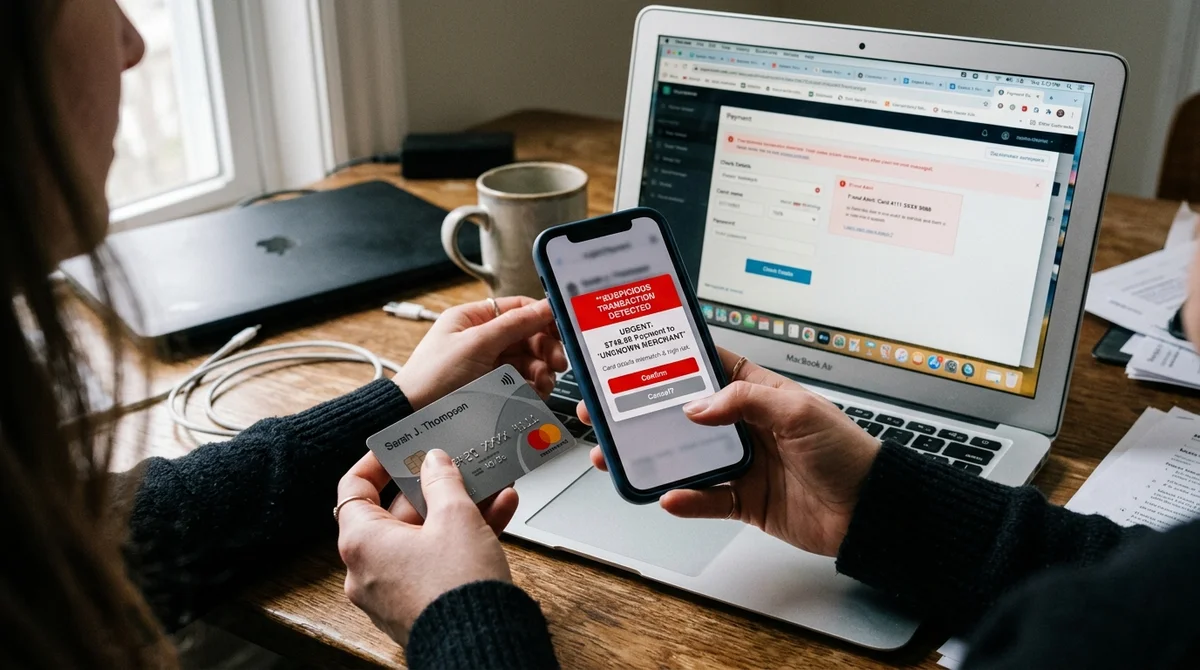
Visa conducted a large-scale market fraud study and reached a striking conclusion: AI-accelerated payment scams have become the fastest-growing source of consumer losses. This is no longer a theoretical threat — it is a reality that millions of people face every day.
How AI Amplified Fraud
Previously, scammers worked manually — writing template letters with errors, recording pitiful voice messages, creating primitive website copies. All of this was relatively easy to spot. With the proliferation of large language models, everything changed. Modern AI can write a letter that sounds like it's from your bank, taking into account details it found in your profile. It can mimic the voice of your acquaintance in a call. It can create a perfect copy of your favorite service's payment page. And all of this at scale — simultaneously for thousands of people.
"AI fraud is growing faster than traditional cryptocurrency fraud and social engineering combined," the
Visa report states.
5 Red Flags That Should Alarm You
Visa analyzed thousands of fraud cases and identified five characteristic signs. They will help you recognize a scam before you fall for it.
- Haste and a sense of urgency — the scammer pressures you to make a payment right now, allegedly due to a deadline or account problem
- Request to disable two-factor authentication — no legitimate service will ask for this
- Minor typos and strange phrasing — modern AI can make grammar mistakes or construct sentences oddly
- Unusual recipient details — the payment goes to an account you don't recognize
- Request for a one-time code via voice or messenger — the scammer is trying to gain access to your account
What You Need to Do
The main rule is simple: don't rush. If a payment is urgent but something bothers you, stop. Call the company back at a number you know, not the number from the letter. Verify the details. Never share confirmation codes with anyone, under any circumstances — even if the caller claims to be a bank employee. Banks have other ways to verify your identity. Remain skeptical of any messages requesting action from you.
What This Means
AI fraud is no longer the future — it's everyday reality. For consumers, this means adapting their habits and being more careful not only with money, but also with information online. For banks and payment systems, it's a challenge that requires serious investment in anomaly detection systems trained specifically to catch AI-generated forgeries.
Access Frontier LLMs & Multimodal AI in One Workspace
Discover NomadNet AI (nomadnet.ai) — unified access to frontier language models, research synthesis, and multimodal workflows.
The AI world, distilled — once a week
Seven stories that actually mattered, hand-picked. No noise, no reposts, no press releases.
Done! Check your inbox for a confirmation.